
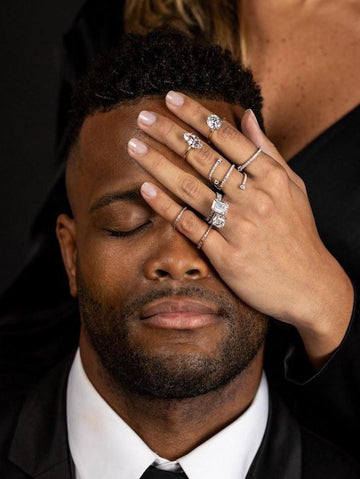

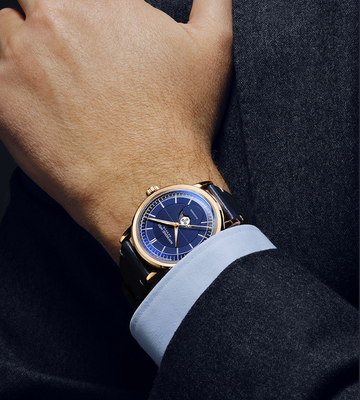
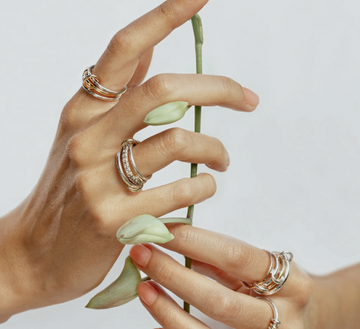


Marco Bicego jewelry is often recognized for gold with a softly irregular, hand-worked appearance and an easy sense of movement. If you are considering a piece, look beyond the name: examine its texture, proportions, materials, and how it fits the way you dress. These details can help you decide whether a design feels distinctive and wearable for you.
Contact Kravit to discuss a jewelry consultation
What design details make Marco Bicego jewelry distinctive?
The brand is associated with expressive gold forms, tactile surfaces, and designs that can feel polished without looking overly uniform. A hand-worked finish catches light differently from a mirror-smooth surface. Small variations in texture create visual interest, while curved lines and flexible elements can make a piece feel fluid on the body.
When you view a piece, notice the relationship between its details. Is the surface texture the main feature, or do gemstones and shapes draw your eye first? Does the design feel delicate, substantial, or somewhere in between? Consider how it looks at conversational distance as well as close up. A detail that appears subtle in a display may become a defining feature when worn.
Brand descriptions and individual designs vary. Do not assume every collection uses the same finish, materials, or construction. Ask about the specific piece in front of you, and check its product information or accompanying documentation. The Marco Bicego collection page can help you begin exploring designs, while in-person viewing gives you a better sense of scale and surface.
How can you assess craftsmanship in person?
A close look is useful, but handling and viewing a piece from several angles can reveal more. Examine whether edges feel comfortable, whether the surface finish appears consistent with the design, and whether moving components sit securely. For a necklace or bracelet, ask how it drapes and fastens. For earrings, consider their weight and how they sit on the ear.
- Inspect the finish: Look at how texture continues around curves, edges, and joins.
- Check the fastening: Ask how the clasp or post closes and what to check before wearing it.
- Consider comfort: Try the piece on if possible and notice its balance and movement.
- Confirm the materials: Ask for the exact metal and gemstone details for that particular design.
- Ask about care: Find out which cleaning methods are appropriate and which should be avoided.
These observations are not a substitute for a professional assessment. They are practical prompts to help you have a more specific conversation before deciding. A jeweler can explain details that are not obvious from a photograph, including how a piece is intended to move or sit when worn.
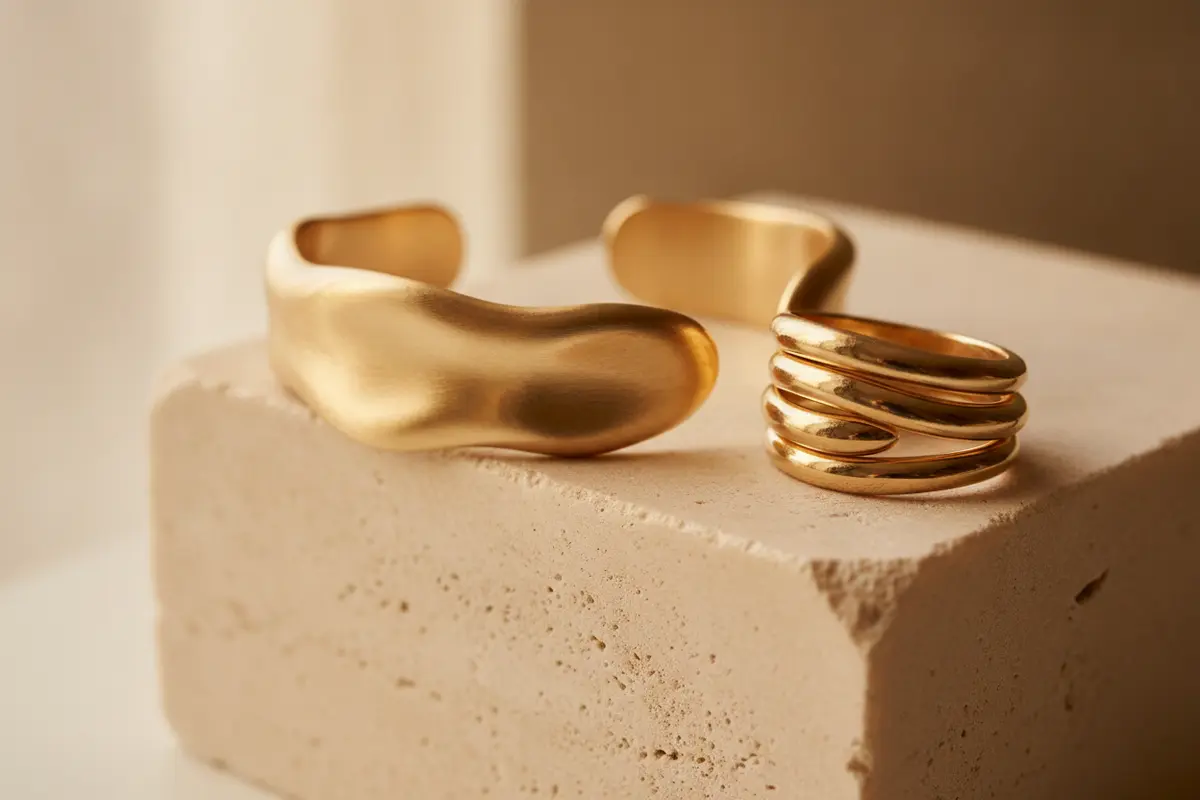
Make the inspection deliberate rather than rushed. First look at the piece as a whole, then examine the areas that do the most work: clasps, hinges, links, settings, and points where components meet. Gently move flexible sections as appropriate and ask the jeweler to demonstrate closures. Notice whether the piece lies naturally when held or tried on. For earrings, check that a pair feels balanced; for a necklace, see whether it turns or shifts in a way that affects how it looks.
Lighting can change how a textured surface appears. View the jewelry from more than one angle and, when possible, under ordinary room light as well as display lighting. Ask whether visible variation is part of the intended finish or something that needs assessment. Do not treat a photograph as proof of exact color, scale, or texture: close-up product images can magnify details and may not show how a piece moves when worn.
Which style considerations matter when choosing a piece?
Start with your existing wardrobe and how often you expect to wear the jewelry. A textured gold design can add dimension to simple clothing, while a more substantial piece may work best as the focal point of an outfit. If you usually wear small, understated pieces, compare a bolder design in person before committing. If you already favor layered jewelry, consider whether the piece complements what you own without competing for attention.
Think about scale as well as color. A necklace’s length and visual weight affect where it sits and what necklines it suits. Bracelet width can change how it pairs with a watch or other bracelets. Earrings should feel balanced with your hairstyle and the proportions of other jewelry you wear. These are personal judgments, so trying on different shapes and sizes can be more helpful than relying on a product image alone.
For a coordinated look, you do not need every item to match exactly. Repeating a metal tone or a similar organic shape can create cohesion while allowing one piece to stand out. If you are choosing a gift, consider what the recipient wears regularly, whether they prefer subtle or statement designs, and whether they favor earrings, necklaces, rings, or bracelets. A useful shortcut is to identify one existing favorite item and compare its scale, color, and finish with the new piece.
How can you choose a piece for your routine?
Imagine the jewelry in the settings where you expect to wear it. A piece for frequent use should feel comfortable across a full day, not just during a quick try-on. Think about how it will interact with sleeves, collars, bags, hair, or other jewelry. If you type or work with your hands often, notice whether a bracelet catches or feels distracting. If you wear earrings for long stretches, comfort and weight may matter more than a dramatic first impression.
For occasional wear, you may be more willing to choose an expressive shape or a larger visual presence. Still, practical details count: consider how easily it fastens, whether you can put it on without help, and how you will store it between occasions. If you are purchasing for a milestone, picture the piece with clothing the recipient already owns rather than relying on an imagined special outfit.
Build a short list of priorities before comparing. You might rank comfort, texture, versatility, and ease of care. Then decide which trade-offs are acceptable. A bold design may be memorable but less adaptable; a quieter silhouette may become a frequent choice because it works in more settings. There is no universal right answer. The best fit is the one whose appearance and practical details align with the wearer’s habits.
How should you compare pieces before buying?
Compare the specific item, not only the collection name. Two designs from one brand may differ in dimensions, weight, finish, gemstone details, and care needs. Use the product description as a starting point and ask for clarification where details are missing. The following checklist helps organize an in-store comparison.
| What to compare | Questions to ask | Why it matters |
|---|---|---|
| Shape and scale | How does it look and sit when worn? | Proportion affects comfort and how the piece works with your wardrobe. |
| Metal and gemstones | What materials are used in this exact design? | Material details inform appearance, care, and suitability for your preferences. |
| Finish and construction | How is the surface made, and how should it be maintained? | Texture and construction influence the look and the care conversation. |
| Fastening and fit | How does the clasp, post, or closure work? | A secure and comfortable fit is essential for regular wear. |
| Documentation and service | What documentation accompanies it, and who can advise on care? | Clear information helps you understand the particular piece after purchase. |
Do not infer a price, availability, or service term from another item or an online photograph. Ask the retailer to confirm details for the exact piece you are considering. Kravit Jewelers can discuss fine jewelry in person at its Oceanside showroom, and its collection page offers a place to begin browsing.
It can help to compare no more than a few options at once. Too many similar designs can blur together, especially when their differences are subtle. Take notes on what you liked: perhaps the surface catches light, the shape sits comfortably, or a clasp is easier to use. If a detail is not clear, ask for it to be explained rather than filling gaps with assumptions. Keep the comparison anchored to the exact item, since specifications and care recommendations may not transfer from one design to another.
Before making a decision, repeat the practical test: try the piece on, check its fastening, and wear it briefly if possible. Ask what documentation accompanies it and how to reach the retailer if a question arises later. If shopping remotely or for a gift, confirm the relevant terms directly rather than assuming that another item’s terms apply. The goal is a confident choice based on verified details, not a guess based on a collection name.
What questions should you ask while shopping?
A useful consultation should address the details that matter to your intended use. You might ask:
- What are the materials and dimensions of this specific piece?
- How should I interpret the finish, and is its appearance intended to vary across the surface?
- How does the piece fasten, and what should I check before wearing it?
- What cleaning and storage practices are appropriate for these materials?
- What documentation is provided with the piece?
- Can I compare it with another shape, scale, or style in person?
Specific answers are more useful than broad assumptions about an entire brand. If you are shopping for a gift, ask about options that align with the recipient’s preferences, and confirm any exchange or care terms directly before purchase. You can also ask the retailer to distinguish details that are documented from general guidance, so you know which information applies to the piece you are considering.
How can you style textured gold jewelry?
Let the piece’s surface do some of the work. A textured necklace can stand on its own with a simple neckline. A bracelet with sculptural detail may pair well with quieter pieces, while several bold items worn together can make the overall look feel busy. Try combinations in front of a mirror and adjust one element at a time.
For everyday styling, think about practical movement. A bracelet should feel comfortable as you reach and work. Earrings should suit the length of time you plan to wear them. A necklace should sit well with the collars and necklines you choose most often. If you plan to layer, compare lengths and visual weight so that the pieces remain distinct rather than tangled or crowded.
Gold can coordinate with other metals when the mix feels deliberate. Repeating a shape, finish, or proportion can tie different pieces together. There is no single correct formula; comfort and personal taste are the best guides. For a simple layered arrangement, begin with one focal item, add a quieter companion at a different length or scale, and stop before the shapes obscure one another. You can also wear a textured piece alone with a plain knit, crisp shirt, or uncomplicated neckline to make its surface the detail that draws attention.
Think about balance across the whole look. If earrings are visually prominent, a restrained necklace may keep the focus clear. If you choose a statement necklace, consider smaller earrings or no competing pendant. A bracelet can echo a curve or finish without matching every piece exactly. These combinations are easiest to judge in a mirror, where you can see how the jewelry moves and catches light with your clothing.
Explore fine jewelry styles at Kravit Jewelers
How should you care for a textured gold design?
Care depends on the materials and construction of the individual piece. Follow the guidance provided for that item rather than applying a general cleaning method to every design. Store jewelry separately when practical to reduce contact with other pieces, and avoid exposing it to products or activities that the retailer advises against.
Make a habit of checking closures before wearing a necklace or bracelet. Put jewelry on after applying products if that is consistent with the retailer’s care advice, and remove it before activities where it could be knocked, snagged, or exposed to substances the jeweler says to avoid. These are prompts to ask about, not a substitute for care instructions specific to your piece.
If a piece needs attention, ask a qualified jeweler to assess it before attempting a repair or intensive cleaning at home. Explain what you have noticed, such as a loose fastening or a change in how it sits. Kravit offers custom jewelry design as part of its fine-jewelry capabilities; contact the store to discuss the appropriate next step for your specific needs.
How can you make a practical shortlist?
Use a simple sequence to move from browsing to a considered choice. First, decide the purpose: daily wear, an occasional accent, or a gift. Second, identify two or three design traits you are drawn to, such as a tactile surface, a rounded silhouette, or a particular scale. Third, filter those preferences through comfort and routine. Finally, ask the retailer to confirm the piece’s materials, construction, care guidance, and terms.
If you are choosing for someone else, use what you have observed rather than guessing from trends. Which metal tones do they wear most? Do they prefer clean lines or expressive forms? Are their existing pieces delicate or substantial? If you do not know, a versatile size or a style that complements their usual jewelry may be a safer direction, but confirm the retailer’s relevant terms before completing a gift purchase.
Keep the shortlist focused on things you can verify and experience. A product description can provide dimensions and materials; trying on the item can reveal comfort and movement; a conversation can clarify care and documentation. Together, these steps help separate what is known about a specific piece from impressions based only on its brand or photograph.
Arrange a conversation with Kravit Jewelers
Frequently asked questions about Marco Bicego jewelry
What should I examine first when viewing a piece?
Begin with its texture, shape, scale, and overall comfort. Then ask about the exact materials, fastening, documentation, and care guidance for that design.
Can I tell how a piece will look from a photograph?
A photograph can show the general design, but it may not convey scale, weight, surface detail, or how the piece moves. If possible, view and try on the item in person.
Does every design have the same materials and finish?
No. Details can differ by item. Confirm the materials and construction of the particular piece rather than assuming they apply across a brand or collection.
How do I choose a piece as a gift?
Consider the recipient’s usual metal tones, preferred scale, and the jewelry they wear most often. When uncertain, ask a jeweler to help compare styles and confirm the details and terms before purchasing.
What makes an in-person consultation useful?
Seeing a design up close lets you assess its texture, fit, and movement while asking direct questions about its materials and care. Kravit Jewelers is a family-owned jeweler serving Long Island from Oceanside since 1927. A conversation can help you compare options thoughtfully and focus on the piece that suits your style and intended wear.
For general information about the care of jewelry and precious metals, consult the Federal Trade Commission resources on jewelry guidance. Confirm details about any particular design with the retailer, since care needs and materials vary by piece.
Kravit’s Marco Bicego collection page is one place to explore, and a personal consultation can help you understand the options and choose with care.


