



Ready to get a quote for my diamond upgrade? Start with the ring you already own, not with a number pulled from a catalog. A jeweler needs to understand the setting's condition and construction, the diamond's characteristics and documentation, and the look you hope to create before recommending a path forward.
Request a personalized diamond upgrade consultation
If you want to get a quote for my diamond upgrade, expect a consultation-based estimate rather than an automatic final price. The assessment may consider whether your existing setting can be reused, modified, or replaced; how the stone fits your design goals; whether trade-in or credit questions apply; and what metal and fabrication work the project requires.
At Kravit Jewelers in Oceanside, the conversation is designed to clarify those decisions without pressure. Reviewing the setting and stone in person, then discussing your vision, budget, and timeline, creates a more useful foundation for understanding what the project may involve. Here is what a diamond upgrade quote usually includes.
What does a diamond upgrade quote usually include?
A diamond upgrade quote is best understood as an assessment-based project outline. It brings together what you want to change, what can safely be preserved, and what the proposed work may require. It is not an automatic final price based only on a photograph, a diamond size, or a brief description of the ring.
Explore custom jewelry design services
During a consultation, you can discuss your vision, budget, and preferred timeline with a knowledgeable jeweler. If you are searching online for how to get a quote for my diamond upgrade, the most useful next step is to have the current ring or diamond examined in person. A hands-on review helps the jeweler explain realistic options without making assumptions about condition, compatibility, or value.
What is assessed before an estimate is prepared?
The existing setting is one important part of the conversation. Its construction, metal, measurements, prongs, and shank can affect whether it is suitable for a new stone, could be modified, or should be replaced with a new setting. Even a ring that looks sound may need closer inspection before reuse can be recommended. The condition of the mounting also matters because an upgrade may involve related repair, reinforcement, resizing, or refinishing work.
The diamond itself may also be reviewed for its shape, measurements, proportions, condition, and available grading paperwork. These details help determine which settings and design approaches are appropriate. They do not create a guaranteed trade-in value or promise that a particular stone will be suitable for every design. If you have an appraisal, grading report, purchase record, or other documentation, bring it to the appointment so it can be considered alongside the physical inspection.
How can the design affect the quote?
Your preferred metal, side stones, engraving, proportions, and overall look all influence the project outline. A simple setting change and a fully redesigned ring can involve very different planning and fabrication requirements. For a custom project, the process may include CAD/CAM design, a 3D rendering, wax modeling or casting, fabrication, stone setting, and your approval before production moves forward. Each stage should be discussed clearly, so you understand what the estimate covers and which choices remain open.
Because measurements, stone verification, design approval, and fabrication planning can reveal new requirements, the quote may change as the project becomes more defined. Kravit's Oceanside showroom offers a personal, no-pressure setting for reviewing those possibilities. The goal is a transparent recommendation based on your jewelry and priorities, not a rushed promise made before the work is properly assessed.
How is the existing ring setting evaluated?
An existing setting is more than the visible design around the diamond. It is the structure that holds the stone, carries daily wear, and determines how safely a new diamond or revised design may fit. During an in-person assessment, the jeweler examines the ring as a complete piece before recommending reuse, modification, or a new setting.
What condition is the setting in?
The first consideration is overall condition. Scratches and surface wear may be cosmetic, while thinning metal, loose components, or previous repairs can affect the setting's long-term strength. The prongs receive particular attention because they secure the diamond. A worn, shortened, bent, or damaged prong may require repair before the ring can be considered for another stone. The shank, or band of the ring, is also checked for thinning, cracks, distortion, sizing changes, and signs of stress.
How are construction and measurements checked?
Construction matters because two rings that look similar may be built very differently. The assessment considers how the head, shoulders, gallery, basket, and shank are joined, along with the height and proportions of the setting. Precise measurements help determine the space available for a diamond and whether the current architecture can support the intended design. The existing stone is not assumed to fit a different setting, and a new stone is not assumed to fit the current one. Verification and measurement are necessary before a reliable recommendation can be made.
Metal is another part of the evaluation. The jeweler identifies the setting's material and considers its thickness, condition, construction, and relationship to the proposed design. If the metal needs repair, reshaping, refinishing, or replacement, that work becomes part of the project scope. Kravit's jewelry service capabilities include ring sizing, prong and shank repair, stone setting or tightening, refinishing, and restoration. The appropriate path depends on the ring examined in person.
When is reuse, modification, or replacement appropriate?
Reuse may be appropriate when the setting is structurally sound and its measurements and design work with the planned upgrade. Modification may make sense when the foundation is suitable but requires changes to the head, proportions, size, or surrounding details. A new setting may be the better choice when the existing construction cannot safely or practically accommodate the desired stone or design. Sentimental value is part of the conversation, too. An heirloom setting may be preserved, redesigned, or used as inspiration rather than automatically discarded.
To understand how different structures influence the look and planning of an upgrade, you can compare engagement ring settings. A hands-on evaluation in Oceanside can then connect those ideas to the condition and measurements of your own ring.
Which diamond details shape the recommendation?
The diamond itself is only one part of an upgrade decision. Its shape, measurements, proportions, condition, and documentation help a jeweler understand which settings may be compatible and which design choices deserve closer attention. Your priorities matter just as much. You may want a more substantial presence, a different outline, a redesigned heirloom, or a piece that preserves the character of the original ring.
Shape is an important starting point because a round, oval, cushion, emerald, pear, or other outline interacts differently with a setting. Measurements are equally practical. Two diamonds with a similar description may have different length, width, and depth measurements. So the existing setting cannot be assumed to fit a replacement stone without direct evaluation. The stone's proportions also influence how it presents in a design and how a jeweler approaches compatibility.
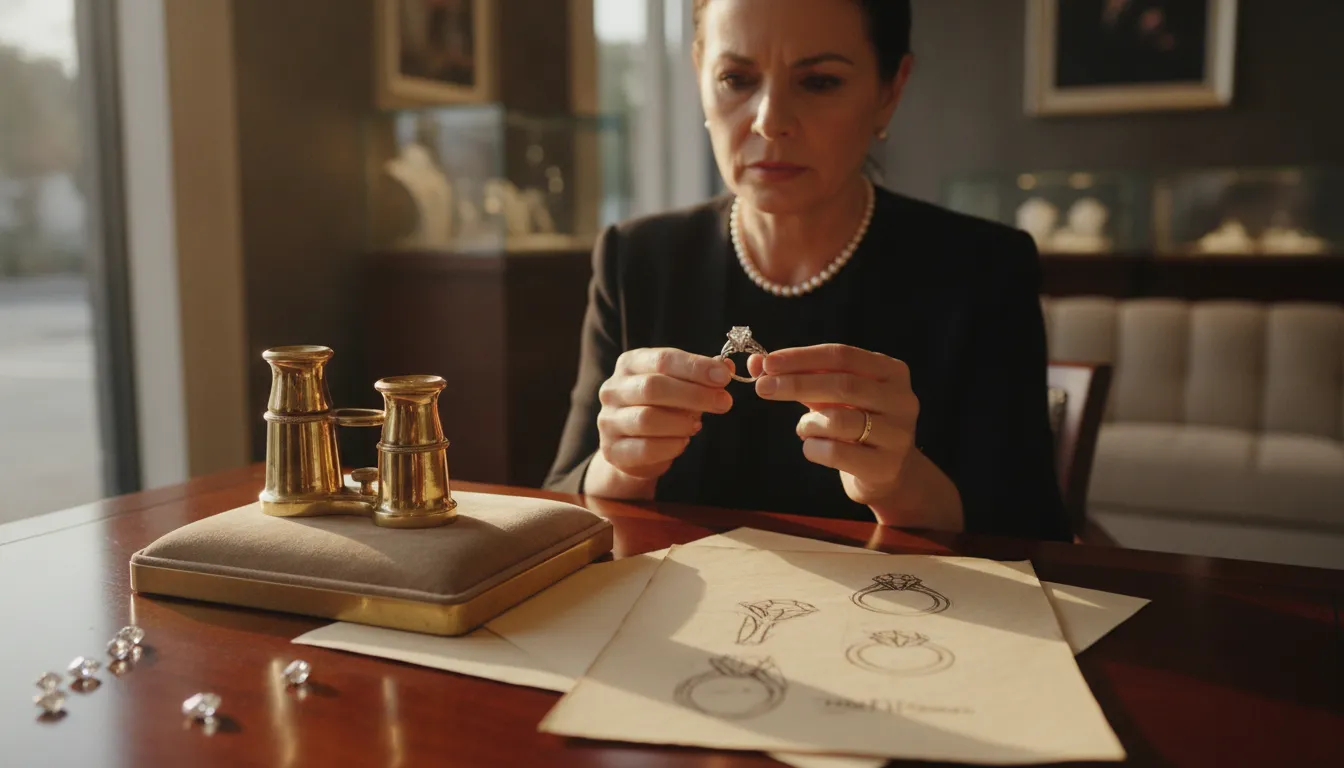
Condition is another essential consideration. A professional assessment can look for visible wear, chips, abrasions, or other concerns that may affect how the diamond should be handled or incorporated. This does not mean a stone is automatically unsuitable. It means the recommendation should be based on the actual diamond rather than a description provided from memory or a photograph.
Documentation can add useful context. Bring grading paperwork, an appraisal, purchase records, or any other information you have available. Documents may help identify the stone's stated characteristics, but they do not replace an in-person examination. If paperwork is missing, the jeweler can explain what can be determined during the consultation and what may require additional verification.
Finally, share what you want the finished piece to accomplish. Tell the design team about your preferred shape, proportions, metal, style, wearability, and sentimental priorities. Kravit's GIA Graduate Gemologists and in-house service team can discuss those considerations with you in a local, hands-on consultation. If you want to get a quote for my diamond upgrade, the most useful next step is to have the current stone and setting assessed before a recommendation or estimate is finalized.
What design and fabrication choices affect the quote?
Once the existing diamond and setting have been assessed, the design brief becomes an important part of the quote. A consultation clarifies the desired look, how the ring should be worn, the role of any existing materials, and the priorities that matter most to you. Some clients want to refine a familiar setting, while others want an entirely new engagement ring. These choices influence the work involved and should be discussed before design work begins.
Metal selection is one consideration. The chosen metal affects the appearance, construction, and fabrication approach of the piece. The design may also include side stones, a halo, a particular band profile, or details intended to complement the center diamond. Engraving, size adjustments, and the way the ring sits alongside a wedding band can add further planning requirements. If you are ready to design a new engagement ring, bringing reference images or examples of details you like can help make the conversation more productive.
How does the design process clarify the work?
CAD/CAM design allows the proposed piece to be developed digitally before fabrication. A three-dimensional rendering can help you evaluate proportions, stone placement, overall balance, and how the design reflects your goals. This stage is also an opportunity to identify changes before production begins, rather than relying on a verbal description alone.
Depending on the project, the approved concept may move into wax modeling and casting, followed by fabrication and finishing. A custom piece can require careful construction, including forming the shank, preparing settings, fitting components, and completing finishing details. Stone setting is its own precision step. The setting must be planned around the stone's measurements and design structure, and the existing diamond must be handled according to its assessed condition.
Engraving and other hand-applied details may require additional coordination after the main structure is complete. Documentation is part of the broader custom design journey, helping record the approved project and completed work. The appropriate sequence depends on the design, materials, and inspection findings, so a consultation-based estimate is more useful than assuming every upgrade follows the same path.
Why does approval matter before fabrication?
Client approval creates a clear checkpoint between concept and production. Before work proceeds, you can review the proposed design and discuss any adjustments to the metal, side stones, engraving, proportions, or intended use. That review helps align the project with your priorities and gives the jeweler the information needed to plan fabrication responsibly. It also explains why a quote may be refined after measurements, design approval, or production planning. At Kravit Jewelers, the process is intended to be personal and collaborative, with technical expertise translated into practical guidance for each project.
What should I ask about trade-in, credit, and documentation?
If you are considering an upgrade, bring every relevant question to the consultation. Trade-in and credit arrangements can depend on the current stone, the existing setting, documentation, and the details of the new project. The most useful conversation begins with an assessment rather than an assumption about eligibility or value.
Ask whether the current diamond or setting may qualify for the proposed upgrade, and what information is needed to make that determination. The answer may require examining the jewelry directly, verifying the stone, taking measurements, and reviewing its condition. A consultation can also clarify whether the existing piece is best reused, modified, or redesigned. If the ring has sentimental importance, say so early. Your priorities may include preserving the original stone, retaining the metal, incorporating a family heirloom, or creating a new design that keeps a meaningful element. Kravit also offers options to redesign your existing jewelry when a restyled piece better suits your goals.
| Question to ask | Why it matters |
|---|---|
| Which parts of the recommendation are preliminary? | Inspection, measurements, and design decisions can refine the project scope before approval. |
| How would any available credit be determined? | It helps separate a consultation-based assessment from an assumed trade-in value or final project total. |
| What documentation should I bring? | Grading paperwork, purchase records, appraisals, and other ownership documents can provide useful context for the discussion, although the item may still need direct examination. |
| Can my purchase history help with the assessment? | Original records may help establish the item's background and specifications, especially when the current stone or setting needs to be verified. |
| Can I retain sentimental materials? | Discussing this before design work begins allows the project to account for meaningful stones, metal, or heirloom elements where appropriate. |
Bring the ring, any grading report or paperwork, and notes about what you hope to change. If documentation is unavailable, mention that as well. A missing record does not answer the eligibility question by itself, and it should not be replaced with a guess about quality or value. A jeweler can explain what must be verified and which options remain worth exploring.
The same preparation applies if you are searching online for how to get a quote for my diamond upgrade. A useful quote discussion should identify the current item's condition and documentation, the desired stone and design direction, and any trade-in or credit questions before you approve work. Ask what is confirmed now, what depends on inspection or design approval, and what information will be documented as the project moves forward.
How can I get a quote for my diamond upgrade?
A thoughtful consultation begins before you arrive. Preparing a few details helps the jeweler understand what you hope to change, what you want to preserve, and how your current ring fits into the next design. It also gives you a clearer basis for discussing options without assuming that the existing stone or setting can be reused before it has been examined.
- Bring the current ring and any related pieces. Bring the ring you are considering upgrading, along with matching bands or other pieces that may influence the design. The setting can be assessed for its condition, construction, prongs, shank, measurements, and metal. If you have a loose diamond or another stone you may want to use, bring it as well. Direct inspection is necessary to determine whether a piece is suitable for reuse, modification, or a new setting.
- Gather documentation and purchase information. Bring grading paperwork, appraisals, receipts, or other records you have for the diamond and setting. Documentation can help organize the discussion, but it does not replace an in-person review of the stone's characteristics and condition. If you are considering trade-in or credit, ask what documentation is needed, whether the existing stone may qualify, and how any potential credit would be determined. If the ring has sentimental importance, say whether you want to retain its materials.
- Define your design priorities. Consider the diamond shape, setting style, metal preference, proportions, side stones, engraving, and practical features that matter to you. Save a few reference images if they help communicate your taste. You do not need to arrive with a finished design. The consultation is an opportunity to explain your vision and explore what may be compatible with the current stone and ring.
- Prepare budget and timing questions. Decide what level of investment feels appropriate for the project, while recognizing that the estimate depends on inspection, measurements, stone verification, design decisions, and fabrication requirements. Ask what choices may affect the estimate and what information will be confirmed before approval. Share any preferred timing, but treat a schedule as planning information rather than a guaranteed completion date.
- Use the consultation to review the proposed path. A custom project may move from consultation and assessment to design review, CAD/CAM renderings or other planning materials, client approval, fabrication, stone setting, and final delivery with documentation. Ask what happens at each stage, when your approval is required, and what may change if the design or condition of the jewelry calls for a different approach. You should have an opportunity to understand the recommended work before authorizing it.
At Kravit Jewelers in Oceanside, a hands-on assessment keeps the conversation grounded in your actual ring, diamond, goals, and design choices. The result is a more useful starting point for deciding whether to upgrade, modify the existing piece, or create something new.
request a diamond upgrade consultation
Frequently Asked Questions.
How much does it cost to upgrade my diamond?
There is no reliable fixed price before the ring, diamond, and project requirements are assessed. The estimate may reflect the new stone, the condition and compatibility of the existing setting, any redesign or fabrication, and stone-setting work. A consultation helps clarify your goals and budget before you approve the work.
Can my existing setting accommodate a larger diamond?
Possibly, but the answer depends on the setting's construction, measurements, metal, prongs, shank, and the proportions of the proposed diamond. The setting may be suitable for reuse, require modification, or need to be replaced. An in-person inspection is the best way to determine which option is appropriate.
What information do I need to get a diamond upgrade quote?
Bring the ring or loose diamond for direct evaluation, along with any grading paperwork, purchase history, or other documentation you have. It is also helpful to describe your preferred shape, size, style, metal, budget, and timeline. These details allow the consultation to address both the jewelry's condition and your design priorities.
Can I trade in my current diamond for a different stone?
Ask whether the current stone qualifies, how any potential credit would be determined, and which documents are needed. Eligibility and credit should be confirmed after the stone is examined. If the diamond has sentimental importance, tell the jeweler whether you want to keep it or incorporate it into a new design.
Will the quote change during the upgrade process?
It can change if inspection, measurements, stone verification, design approval, or fabrication planning reveals new requirements. A clear consultation and estimate establish the proposed scope before work begins, while the final recommendation depends on the actual ring, diamond, and approved design.
Ready to Discuss Your Diamond Upgrade?
A personalized consultation can help clarify how your current ring or diamond, design goals, and fabrication needs may shape the next step. Kravit Jewelers can assess the piece and discuss upgrade possibilities in a consultation-based conversation, without assuming a final quote before inspection. To get started, request a diamond-upgrade consultation with the Oceanside showroom team.


