
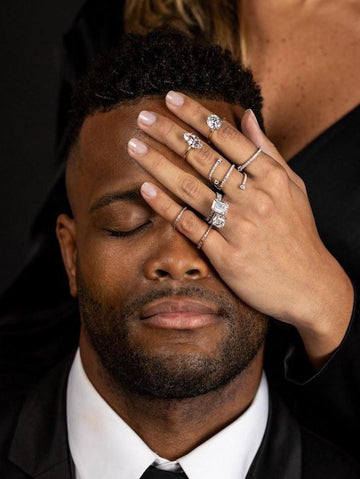



The setting does more than hold a center stone. It influences how much of the diamond you see, how securely it is protected, and the overall character of the ring on your hand. For Long Island couples, understanding engagement ring setting styles makes it easier to compare beautiful designs with confidence.
Explore engagement ring settings in person at Kravit Jewelers, or request a consultation in Oceanside.
Engagement ring setting styles include solitaire, prong, bezel, halo, pave, channel, tension, and three-stone designs. Each offers a different balance of brilliance, protection, symbolism, and everyday wearability. The right choice depends on your center stone, lifestyle, personal taste, and how you want the ring to feel for years to come.
At Kravit Jewelers, a family-owned Oceanside jeweler serving Long Island since 1927, our team can help you evaluate those details in person and explore options from classic solitaires to bezel and diamond-accented designs. Start with the clean simplicity of a solitaire, then consider how its structure frames and supports the center stone.
Solitaire Settings: Timeless Elegance for the Center Stone
A solitaire setting places one diamond at the center of the ring, allowing its shape, proportions, and brilliance to command attention. That restraint is what gives the style its enduring appeal. For shoppers comparing different engagement ring setting styles, a solitaire offers a clean foundation that can feel traditional, modern, or distinctly personal depending on the details beneath the stone.
Prong settings: four or six points of security
Prongs are small wires or claws that hold the diamond from beneath while lifting it above the band. This open construction exposes more of the stone to light, supporting strong light return and a bright, lively appearance. The number of prongs changes both the look and the balance between visibility and security.
A four-prong setting leaves more of the diamond visible and can create a particularly open, streamlined appearance. A six-prong setting places two additional points around the stone and is often perceived as more secure. It can also lend a round center diamond a classic, balanced outline. Neither choice is automatically right for every diamond. The stone's shape, girdle, proportions, lifestyle, and preferred visual effect all deserve consideration during a professional fitting.
Cathedral prongs: height with architectural detail
A cathedral setting uses sweeping arches that rise from the band toward the center stone. The name comes from the arches' architectural resemblance to a cathedral. These shoulders can help protect the stone while keeping it highly visible, and they add a sense of height and structure to an otherwise simple solitaire.
The elevated profile can make the center diamond feel especially prominent, but it also affects how the ring sits beside a wedding band. If a flush fit is important, discuss the intended pairing before selecting the final design. A thoughtful consultation can balance the desired silhouette with everyday comfort and wearability.
Basket settings: a supportive, refined profile
A basket setting uses a framework beneath the diamond to support the prongs and center stone. Its gallery structure can provide a composed, finished look when viewed from the side, while the prongs above continue to frame the diamond and admit light. It is a refined option for someone who wants more visible structure than a very minimal solitaire without adding side stones or a halo.
Across all solitaire designs, security depends on precise construction, proper stone fit, and regular inspection, not simply on choosing four or six prongs. The best setting complements the diamond and the way you live, creating an engagement ring that looks graceful in the showroom and remains practical for years of wear.
Bezel and Half-Bezel Settings: Modern Security and Sleek Style
For an engagement ring that feels refined, low-profile, and ready for everyday movement, a bezel setting offers a compelling alternative to traditional prongs. Instead of holding the center stone at several points, the setting surrounds it with a continuous metal rim. This design helps protect the stone's edges while giving the ring a clean, contemporary silhouette. The Gemological Institute of America identifies the bezel as a secure choice that can suit an active lifestyle.
Full bezel: maximum coverage and a smooth profile
In a full bezel, metal encircles the stone all the way around its perimeter. The rim helps shield the girdle, or outer edge, from accidental contact with hard surfaces. It also reduces the chance of the stone catching on clothing, hair, or equipment, which can be especially appealing for someone who works with their hands, travels often, or prefers not to worry about a raised setting.
The tradeoff is visual. A full bezel covers more of the stone's edge than prongs do, creating a polished frame around the center. That frame can make the ring look architectural and intentional, particularly with an elongated or geometric diamond shape. It also gives the ring a lower, streamlined profile that pairs naturally with a modern wardrobe and practical daily wear.
Half-bezel: a balance of protection and light
A half-bezel uses strategically placed sections of metal rather than a complete rim. It retains some of the bezel's protective character while leaving more of the stone exposed along its sides. This can create a lighter, more open appearance and allow additional views of the diamond's outline.
Half-bezel designs are useful for shoppers who like the security and smoothness of a bezel but want a little more visual openness. The right balance depends on the stone's shape, proportions, durability, and the way the ring will be worn. A knowledgeable jeweler can assess how the setting supports the stone before you commit to its appearance.
Kravit Jewelers offers an Eden Bezel Set option among its engagement ring settings, making this style available within a broader selection that includes classic and diamond-accented designs. During a personal consultation in Oceanside, you can compare a full bezel, half-bezel, and prong setting on the hand, considering comfort, profile, protection, and the character you want the ring to express.
Halo Settings: Maximizing Sparkle and Presence
A halo setting places a ring of smaller diamonds around the center stone, adding brilliance around its perimeter and creating a more substantial visual presence. Because the surrounding diamonds extend the outline of the design, a halo can also make a smaller center stone appear larger without changing the stone's actual carat weight. The effect is especially striking when the proportions of the center and surrounding stones are carefully balanced.
Classic halo: a bright, balanced frame
The classic halo features one circle of smaller diamonds around the center stone. It pairs naturally with round, cushion, princess, radiant, and pear shapes, although the outline should follow the center stone closely for a refined finish. A round center with a rounded halo feels traditional and soft, while a cushion or radiant center can create a slightly more architectural look. The smaller stones contribute additional sparkle from multiple angles, while the center remains the focal point.
This style suits someone who wants the presence of a larger-looking center stone and the brilliance of a diamond-accented design. It can feel romantic and detailed without overwhelming the hand, particularly when the halo is delicate and the band remains streamlined.
Double halo: more drama and dimension
A double halo adds two concentric rows of smaller diamonds around the center. The extra border creates a bolder silhouette and a more dramatic sense of scale. It is a compelling choice for a shopper who wants the ring to make a statement, but it requires thoughtful proportion. The center stone, halo width, band, and finger size should work together so the design feels intentional rather than crowded.
Oval and emerald-cut halos: follow the shape
An oval halo can emphasize the center stone's length and graceful outline. An emerald-cut halo takes a different approach, framing the stone's clean step-cut geometry with a crisp surrounding border. In both cases, the halo should echo the center's proportions. A well-matched outline preserves the elegance of the shape while adding light and presence.
As you compare solitaire, halo, and custom engagement ring styles, consider how each setting changes the balance between the center stone, the band, and the overall silhouette. A consultation makes it easier to compare these proportions in person and choose a halo that feels polished from every angle.
Want to see how a setting changes a diamond's profile and sparkle? Visit Kravit Jewelers in Oceanside for one-on-one guidance from a trusted Long Island jeweler.
Pave vs. Channel Settings: Diamond-Accented Elegance Compared
Both pave and channel settings bring the light-catching character of smaller diamonds to an engagement ring band. The difference is how those diamonds meet the metal. Pave settings create a richly detailed, almost continuous field of sparkle, while channel settings offer a smoother, more streamlined profile with stones protected within the band. Understanding that distinction makes it easier to choose among engagement ring setting styles based on the look, feel, and daily wear you prefer.
| Consideration | Pave setting | Channel setting |
|---|---|---|
| How diamonds are held | Tiny diamonds are secured by small beads or points of metal along the band. | Diamonds sit flush within the walls of the band, held in a continuous channel. |
| Overall appearance | Creates a bright, closely set surface of small diamonds. | Creates a sleek line of diamonds with a clean metal edge and a more structured appearance. |
| Primary design appeal | Maximum sparkle and intricate detail, especially when accent diamonds extend generously around the band. | Refined brilliance with a smooth, understated finish that keeps stones visually integrated into the band. |
| Protection and wear | The delicate beadwork contributes to the design, but raised details may call for thoughtful care during active wear. | The flush placement helps protect the diamonds and reduces their exposure to impact. |
| Best suited to | Someone who wants the band to contribute as much sparkle as possible to the complete ring. | Someone who prefers a polished, low-profile look and wants accent diamonds more shielded within the metal. |
Which setting works with your engagement ring?
Pave can amplify the brilliance of a center stone and add a more ornamental character to a classic silhouette. Channel settings can provide a quieter, architectural contrast, particularly when the center stone is meant to remain the visual focus. Neither is universally better. The right choice depends on your preferred texture, lifestyle, and how the engagement ring will sit beside a wedding band.
Band width, diamond shape, metal choice, and the transition between the engagement ring and wedding band all influence the final result. Before deciding, learn how to pair your favorite engagement ring setting style with a complementary band and view the rings together. A personal consultation can also help you compare the sparkle and comfort of each design in person.
Three-Stone and Tension Settings: Distinctive Designs with Meaning
For couples drawn to a ring with a personal story or a more sculptural silhouette, three-stone and tension settings offer compelling alternatives to traditional solitaire designs. Each creates a different relationship between the center stone, the band, and the wearer's sense of style.
Three-stone settings
A three-stone setting places a center diamond or gemstone between two side stones. The design is often associated with the past, present, and future of a relationship, giving the ring meaning beyond its proportions. In many designs, the center stone is larger than the side stones, creating a clear focal point while adding width and presence across the finger. The side stones do not have to be diamonds. Sapphires, rubies, and other colored gemstones can introduce contrast, symbolism, or a more individual palette.
This setting suits someone who wants substantial visual balance without the continuous halo of smaller stones. It can also be adapted to different center-stone shapes and proportions, making a consultation especially useful before choosing the final setting.
Tension settings
A tension setting uses the pressure of the ring's band to hold the diamond in place, creating the visual impression that the stone is floating. The result is an ultra-modern profile with clean lines and an unobstructed view of the center stone. Because the design depends on precise engineering and fit, it should be evaluated and made by an experienced jeweler rather than selected by appearance alone. Comfort, maintenance, and the wearer's daily routine all deserve attention.
How Do You Choose the Right Engagement Ring Setting?
- Start with lifestyle. Consider work, hobbies, and how often the ring will be exposed to impact or abrasion. A setting should feel beautiful in the showroom and practical in everyday life.
- Consider the diamond or gemstone shape. Three-stone settings can frame many center shapes, while a tension design emphasizes the stone from multiple angles. Bring the intended stone shape into the conversation early.
- Set a realistic budget. The center stone, side stones, metal, engineering, and level of customization all affect the final design. A knowledgeable jeweler can help prioritize what matters most without promising a one-size-fits-all price.
- Define your personal style. Choose the symbolic presence of three stones if meaning and color appeal to you, or the floating, architectural character of tension if modern minimalism feels more authentic.
- Review a custom design. Kravit's custom engagement ring builder accommodates all stone shapes and sizes. Explore how to create a custom engagement ring and discuss the proportions in person.
Seeing these structures on the hand can clarify a decision that photographs cannot. A personal consultation in Oceanside can help connect the setting's design, durability, and meaning to the ring you want to wear for years.
Ready to narrow your choices? Browse Kravit engagement rings or request a personal consultation.
Frequently Asked Questions About Engagement Ring Settings
What are the different types of engagement ring settings?
Common engagement ring setting styles include solitaire, prong, bezel, halo, pave, channel, tension, and three-stone designs. They differ in how they hold the center stone, how much light reaches it, how well the stone is protected, and the visual effect they create.
Which engagement ring setting is the most secure?
A full bezel surrounds the diamond with a continuous rim of metal and offers substantial edge protection. Six-prong settings and well-built channel settings can also be secure choices. The best option depends on the stone, its fit, and the way you live, so have a qualified jeweler evaluate the design before purchase.
How do I choose the right engagement ring setting style?
Start with your lifestyle, desired profile, center-stone shape, and personal style. A low-profile bezel may suit active wear, while a prong solitaire highlights a center diamond and a halo adds visual presence. Comparing settings on the hand is often the clearest way to decide.
What are the pros and cons of prong settings?
Prongs expose more of a diamond to view and light, creating an open, classic look. Their tradeoff is that they are more exposed than a full bezel and should be inspected periodically to make sure the stone remains properly seated.
Is a halo setting good for a small diamond?
A halo can make the center area look more substantial because smaller diamonds surround the center stone. It is a good choice for shoppers who want added sparkle and presence while keeping the center stone as the focal point.
What is a pave setting?
A pave setting places many small diamonds close together along the band, typically secured by small beads of metal. It creates a continuous, glittering surface and adds more visual detail than a plain metal band.
Choosing an engagement ring is personal. At Kravit Jewelers, you can compare these setting styles alongside diamonds, bands, and custom-design options with a team that has served Oceanside and Long Island families since 1927. Visit us at 3151 Long Beach Rd in Oceanside, contact our team, or explore engagement rings online before your appointment.


