
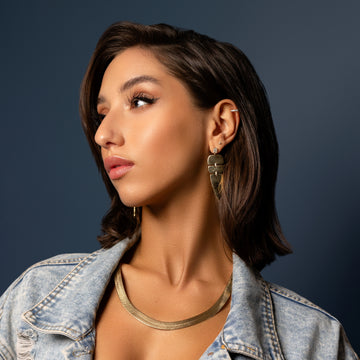


Start with the shape you reach for most often: a small stud can feel quietly versatile, while a hoop or drop brings more movement and presence. Comfort, proportion, and how an earring works with your usual clothes matter as much as its finish.
Contact Kravit's Oceanside team for personal guidance
The most versatile silver earrings are the ones that suit your routine and personal style, with a silhouette, scale, and fastening you feel comfortable wearing. Compare studs, hoops, and dangles for how they frame the face and move, then check the metal description and care needs before choosing.
Kravit Jewelers, a family-owned jeweler serving Long Island since 1927, offers a no-pressure setting to discuss what you enjoy wearing. The showroom conversation can begin with the visual effect you want, from a subtle outline to a design that catches the eye as you move.
How Can Silver Earring Silhouettes Change the Look?
Studs keep the look close and understated, while hoops add a defined curve and drops or dangles bring movement. The best silhouette depends on the scale you want and how it works with your neckline and hair.
Think about the whole frame around your face, not only the earring itself. A small, close-fitting shape tends to feel subtle, while a larger outline or longer drop draws more attention. Hair worn up reveals the earring's full profile; longer or fuller hair can partially cover a small stud, while a hoop or longer design may remain visible. These are styling choices rather than strict rules, so consider what feels balanced with your usual wardrobe.
When do studs or hoops feel right?
Studs sit close to the ear and create little visual movement, making them a natural choice when you want a restrained accent for work, daytime plans, or a detailed neckline. Their compact scale can also keep the focus on a pendant, patterned top, or other jewelry. For a related gemstone-focused look, Kravit's guide to diamond stud earring styles explores a different material and design question.
Hoops make a clearer outline around the face. A slim, smaller hoop or huggie can read as neat and close-fitting, while a wider or larger hoop creates more presence. A simple hoop can complement an open neckline or pulled-back hair; with a high neckline or loose hair, a smaller profile may feel more balanced. Consider the scale and weight that feels comfortable for the occasion, rather than choosing by diameter alone.
What do drops and dangles add?
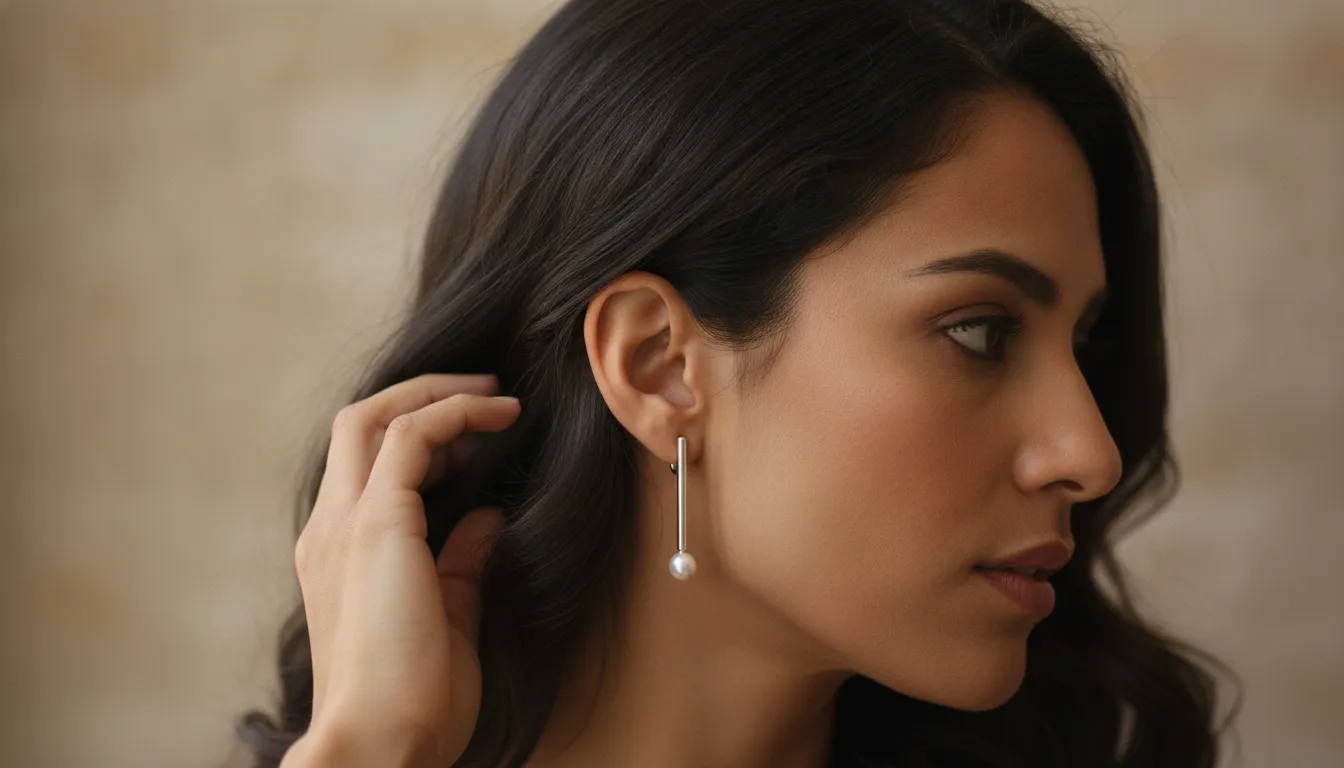
Drop and dangle earrings extend below the earlobe, so they introduce length and movement. A short drop can add a graceful detail to a collar or open neckline; a longer design is more visible with hair swept back and can make a simple outfit feel more dressed. For example, Kravit's sterling silver heart dangle earrings illustrate how a heart motif can be paired with a dangling silhouette. This is a style reference, not a statement about current availability.
For an easy comparison, picture your usual neckline and hairstyle. Decide if you want the earring to blend in, frame the face, or move with you. This can narrow the choice without making one silhouette the only right answer.
| Style | Look | Check |
|---|---|---|
| Stud | Close and subtle | Scale, post comfort |
| Hoop | Curved outline | Size, closure |
| Drop | Length, movement | Weight, neckline |
How Do You Choose Silver Earrings for Everyday Wear?
For everyday wear, choose silver earrings that feel light, stay comfortably secure, and work with your usual clothes and hair. A pair should feel natural through the routines you actually have, whether that means commuting, working at a desk, or heading out for the evening.
Weight is personal, so notice how an earring feels instead of choosing by appearance alone. Compare how its weight sits and whether the design shifts when you move. A compact stud or small hoop may work with many outfits, while a longer drop brings more movement. Check product details for measurements when available.
Closure matters, too. Posts with backs, hinged hoops, and hook-style closures each feel and fasten differently. Look at how the earring opens and closes, and consider whether it seems secure for your daily activities. If you have long hair, frequently wear scarves, or use headphones, a dangling shape or prominent hoop may catch more easily. A simpler silhouette can be a practical choice on those days.
Browse Kravit's earrings collection
Read the material description carefully. Check what the decorative part, post, and closure are made from. Do not rely on a general label or the metal's appearance. If you have a known sensitivity, check the product details and ask the seller to clarify anything not listed. The word "silver" alone does not describe every component or guarantee how a piece will suit you.
Think about your wardrobe and routine. A versatile pair might fit under a coat collar, complement your usual neckline, and feel balanced beside glasses or a necklace. For a special occasion, you may prefer more movement or shine. For daily wear, ease of fastening and comfort may matter more. Kravit's Oceanside team can offer personal, no-pressure guidance as you compare options.
What Does 925 Mean on Silver Earrings?
A 925 mark means that the item is 92.5% pure silver, the standard for sterling silver. It is a useful clue. Check the description and the material of each earring component before buying.
The number refers to the share of silver in the metal, not to a style or finish. The Federal Trade Commission says "silver," "sterling," and "sterling silver" describe products containing 92.5% pure silver. It also says a 925 mark means 925 parts per thousand are pure silver. Read the FTC's guide to buying precious-metal jewelry for more on common terms and marks.
Sterling silver is an alloy rather than pure silver. The 925 standard leaves a portion of the metal as something other than pure silver, but a 925 stamp alone does not tell you the full composition of that remainder. If you have a particular material concern, ask the retailer for the detailed description instead of assuming what metals are included.
Also distinguish sterling silver from silver plate. Silver-plated jewelry has a layer of silver applied over a base metal; the surface may look silver, but the piece is not sterling throughout. Look for clear wording in the listing or ask the seller whether the item is sterling silver or plated. A photograph of a tiny stamp may not show enough detail to answer every question about the piece.
For earrings, check the description for the post or hook, body, and decorative elements. Parts may use different materials, so do not assume a mark on one part describes every part. If the listing is vague, ask which parts are sterling silver and whether others are plated or use another material. Clear answers help you compare pieces and choose with confidence.
In the United States, the FTC says silver items must also show the name or U.S. registered trademark of the company or person responsible for the mark. Treat that as another point to consider alongside the product description, not as a substitute for asking about the specific construction of the earrings.
How Should Silver Earrings Fit Your Personal Style?
Choose a shape and scale that feel balanced with your features, hairstyle, and usual wardrobe, then wear them in a way that feels like you.
Start with proportion, not a rule about which face shape "should" wear a certain earring. If you prefer understated jewelry, small studs or close-fitting hoops may feel right. A drop or dangle can add movement near the face. Compare its length and width with your features and glasses, if you wear them. Aim for a balance that feels comfortable, not a way to correct or disguise anything.
Necklines can help guide length. A shorter earring keeps attention near the face with a high neckline or busy collar. A longer drop can echo the open space of a V-neck. Treat this as an option, not a formula. Hair matters, too. A smaller silhouette can show beneath hair worn down, while a longer or brighter shape may stand out more. Try a pair with the hairstyles you wear most.
Consider how your earrings relate to other jewelry. Matching silver tones can make a look feel composed. Combining silver with gold adds contrast without requiring every piece to match. One easy approach is to repeat a detail, such as shape or visual weight. If you wear a necklace, compare the pieces together so neither competes for attention.
A small jewelry wardrobe can cover different occasions. Choose a comfortable, low-key pair for frequent wear and another with more length or detail for dinners or celebrations. Think about clothes you reach for often, then choose earrings that work with several outfits. For gemstone setting and proportion advice, see Kravit's separate guide to diamond stud earring styles. This article focuses on silver and personal styling.
If you would like a second opinion, Kravit's team offers personalized, no-pressure guidance at its Oceanside showroom. Bring a few outfit or jewelry preferences to discuss, and use the conversation to narrow down shapes that suit your style, without assuming a particular pair will be available.
How Do You Care for Silver Earrings Without Damaging Them?
Handle silver earrings gently, keep them dry before storage, and use a soft cloth for light surface care; first confirm the material and inspect the design, especially if it is plated, stone-set, textured, or delicate.
After wearing your earrings, use a clean, soft cloth to wipe away moisture. Let them dry fully before putting them away. Store each pair separately in a dry place so pieces do not rub together or tangle. Keep posts, hooks, and backs together. Handle small components carefully when removing or storing them.
Care depends on the piece, so do not treat every silver-colored earring the same way. Silver-plated jewelry has a thin silver surface over another metal. Forceful polishing may harm that layer. Gemstones, texture, darkened details, and delicate decoration may also need a lighter touch. Avoid improvised chemical or abrasive treatments if you do not know how the earring is made. A gentle wipe is a safer start than trying to remove every change in color.
The National Park Service conservation guide is for museum objects, not personal jewelry. Do not use it as a step-by-step cleaning manual for earrings. Its general cautions are useful: identify the metal before treatment and examine the object's condition. A misapplied treatment can cause damage. Check for bent posts, weak joins, loose stones, or closures that no longer hold securely. If anything looks fragile, pause instead of polishing or bending it back into place.
For general advice, read Kravit's fine jewelry care guidance. If you are unsure how a pair is finished or what care is appropriate, ask before trying a more intensive cleaning method.
Read the NPS conservation guide for its material-identification and treatment cautions.
Contact Kravit Jewelers for personal jewelry guidance.
Frequently Asked Questions
What does 925 mean on silver earrings?
A 925 mark means that 925 parts per thousand are pure silver. The FTC uses "silver," "sterling," and "sterling silver" for products containing 92.5% pure silver. Check the product description as well, especially when posts, backs, or finishes may use different materials.
Are silver earrings suitable for sensitive ears?
They may be comfortable for some people, but silver alone does not guarantee that a pair will suit every wearer. Check the material of the post, hook, backing, and any plating, and ask the retailer for clarification if the listing is incomplete. No general description can promise a reaction-free experience.
Can I wear sterling silver earrings every day?
That depends on the design and your routine. A lighter, close-fitting pair may be easier for frequent wear than a long or heavier style, but comfort is personal. Check that the closure feels secure and follow any care instructions supplied for the specific piece.
How should I care for silver earrings?
Keep them dry before storage, separate them to reduce scratching, and use gentle care that suits their material and finish. Avoid aggressive polishing or strong cleaners on a design you have not identified. If it includes stones, plating, or visible wear, ask the retailer or a jeweler before treating it.
How do I choose the right silver hoop size?
Compare the diameter and width with a hoop you already enjoy wearing, if you have one. Consider whether you want a close-fitting look or more visible curve, and whether the hoop will interact with your hair, neckline, or daily routine. Product dimensions can help, but seeing a style in person may clarify the scale.
Find Silver Earrings That Feel Like You
Silver earrings can be a quiet everyday detail or a defining accent. The most versatile choice is the pair whose shape, scale, and feel suit the way you actually dress and live. If you would like a second perspective, Kravit Jewelers welcomes Long Island shoppers to explore personal jewelry questions with its Oceanside team.
Browse the current earring collection for style ideas and product details, or get in touch before visiting to discuss what you are looking for. Collection offerings can change, so confirm specific product information directly with the store.


