



Choosing wedding bands sets is about finding two rings that feel connected while reflecting each wearer’s taste. The pair does not have to be identical. A shared metal, finish, edge, or design detail can create a clear relationship, while differences in width and profile let each person choose what feels right. Start with how the rings look together, how they feel on the hand, and how they fit into everyday routines.
Explore bridal jewelry options
What makes wedding bands sets feel coordinated?
Coordination is a design choice, not a rule that both rings must share every feature. Couples can begin with one visual link and add more only if it feels natural. For example, two bands in different widths may still look like a pair when both have the same metal color and a narrow polished edge. Or, one ring may be a plain band while the other has small stones, with a similar profile tying them together.
Consider these elements individually before deciding which ones should match:
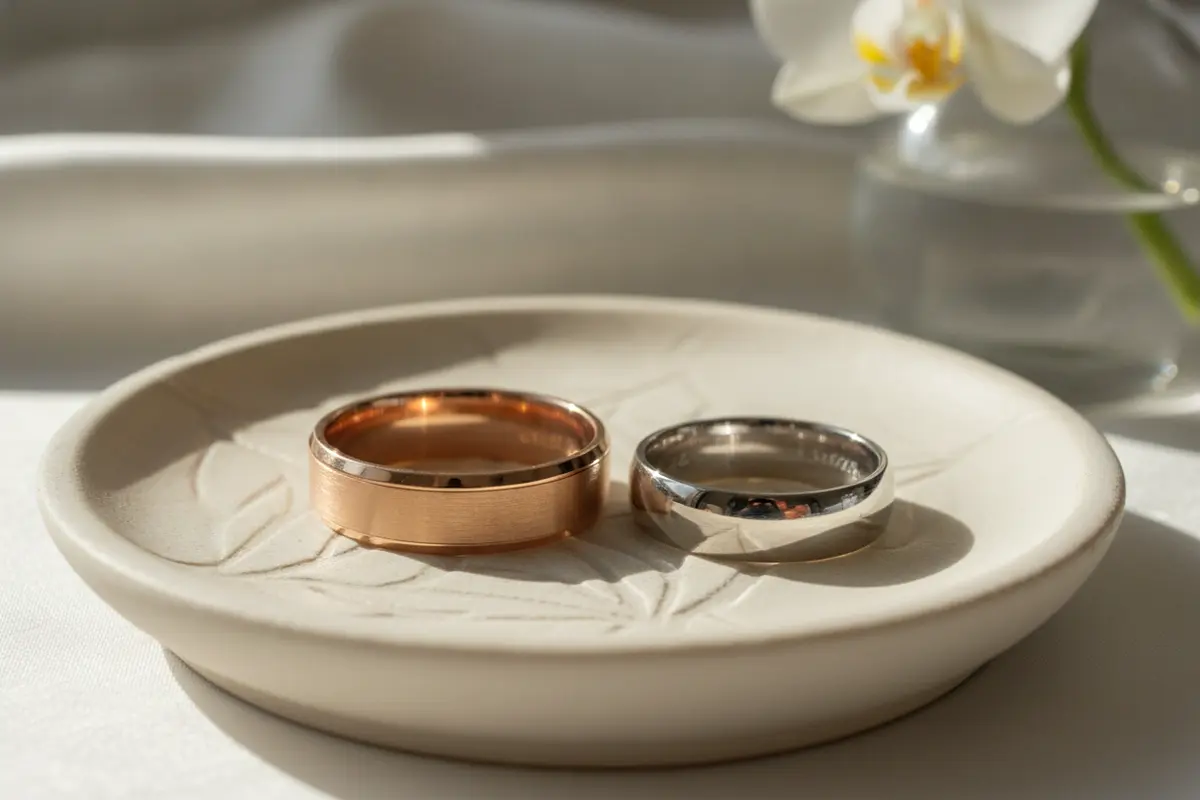
- Metal color: Yellow, white, and rose gold offer different tones. Platinum is another metal some couples compare. Matching colors create an immediate connection; contrasting tones can look intentional when the difference is part of the plan.
- Profile: A band may have a rounded, flatter, or softly contoured shape. Profile affects its appearance from the side as well as how it feels against neighboring fingers.
- Finish: A polished surface reflects light, while brushed or textured finishes have a quieter look. Similar finishes can unite rings with otherwise different designs.
- Width and proportion: A narrow band and a wider band can feel distinct yet coordinated. The proportions should suit each wearer’s hand and preference rather than match by default.
- Details: Edges, engraving, a line of stones, or a repeated motif can link the pair. A single shared detail is often enough.
Try a simple exercise: each person names two features they care about most, then you look for one feature both are happy to share. If one partner prioritizes a low profile and the other prefers a wider band, you can keep those differences while selecting a common finish or metal tone. Put the priorities in two columns: “must have” and “open to considering.” That small distinction prevents a flexible preference from becoming an accidental condition for agreeing.
How should you compare metals and finishes?
Metal selection shapes the overall color of the pair and how each ring relates to other jewelry. If one person wears an engagement ring, compare the band beside it rather than judging the wedding ring alone. A difference in tone can be attractive, but it is useful to see the combination in person under similar light. Screen images and store lighting may affect how colors appear.
| Option | What it can contribute | What to compare |
|---|---|---|
| Same metal color | A clear, unified look across both rings | Whether both partners like the color and how it looks with existing jewelry |
| Contrasting metals | Personal distinction and deliberate visual contrast | Whether the contrast feels balanced when the rings are viewed together |
| Polished finish | A smooth, reflective appearance | Whether each wearer likes the shine and its visible reflections |
| Brushed or textured finish | A softer, less reflective surface character | How the texture looks close up and whether both partners prefer it |
| Stone detail on one band | A different level of sparkle while retaining a shared design cue | Setting style, comfort, and how the detailed ring sits beside the other band |
Use the table to narrow choices, not to rank one option above another. Compare actual examples in a consistent setting. If an engagement ring is part of the decision, bring it along. Look at the full combination from above and from the side, and check whether the band’s finish and color support the look you want.
For a stone-set ring, ask about the stone and setting details of the specific piece. The Gemological Institute of America’s gemstone education resources can provide general background as you prepare questions. A general reference is not a substitute for reviewing the construction and care needs of the ring you are considering.
How can you check whether the rings fit together?
Fit has two meanings: how a band sits next to another ring, and how comfortable it feels on the finger. Both deserve attention. A straight band may sit closely beside some engagement rings, while a setting with a prominent shape or stone may leave a gap. A contoured band can be worth trying when a straight shape does not follow the engagement ring’s outline. The specific result depends on the rings, so assess the actual combination rather than assuming a style will fit.
During a try-on, view the rings from several angles. Check whether the band touches the setting, tilts, or leaves a space you like or dislike. Notice whether the rings move independently when your hand moves. If you prefer a visible gap, decide whether it looks intentional and feels comfortable. If you want the bands close together, ask what shapes may achieve that with the engagement ring you brought.
Comfort also depends on width, profile, and the wearer’s own preferences. A ring that looks slim in a display may feel more substantial on the hand than expected. Try alternatives side by side. Gently bend your fingers, make a fist, and move your hand as you normally would. Pay attention to edges, pressure between neighboring fingers, and whether a setting catches on clothing. Do not rely on appearance or a guessed size alone.
Make the fitting comparison repeatable. Try one variable at a time: first the same profile in two widths, then a similar width in different finishes. If the engagement ring has a raised setting, check the pairing from the side and gently move both rings as they would be worn. Record what you notice rather than trying to remember several combinations. For example: “This width feels comfortable, but the edge presses against the neighboring finger,” or “The contour follows the setting, though the gap is more visible than we expected.” These concrete notes guide the next try-on.
How can you choose a pair that suits both partners?
Start by separating individual preferences from shared ones. Each partner can list a non-negotiable, a preference, and a feature they are open to changing. This prevents the conversation from turning into a search for a single ring that must satisfy every preference at once.
- Describe the style direction. Choose a few words such as understated, classic, contemporary, or detailed. These are starting points, not fixed categories.
- Identify individual priorities. One wearer might value a particular color, while the other wants a smooth profile. Write these down before shopping.
- Pick one or two shared cues. A common metal, finish, edge, or motif can make the rings feel related.
- Allow differences where they matter. Width, surface detail, and stone accents do not need to be identical if the overall pair feels balanced.
- Try options together. Compare each ring on its wearer and the pair side by side. Include an engagement ring when relevant.
- Revisit the choice after a pause. A second look can help distinguish an initial reaction from a preference that still feels right.
For instance, imagine one partner prefers a narrow, polished band and the other wants a wider, brushed band. They could compare options in a shared metal color, then decide whether a common edge detail makes the pairing feel cohesive. If they prefer mixed metals, they can instead keep another feature consistent, such as profile or finish. These are ways to explore the design, not requirements for a successful pair.
A second example: one wearer wants a plain band that feels understated, while the other prefers a narrow line of stones. Rather than matching ornamentation, they might compare rings with a related edge or a similar overall profile. The shared cue can be subtle; the pair does not need to announce its connection through identical surfaces. Each partner should still be able to say what they like about their own ring when considered on its own.
Read more jewelry and engagement ring guides
What should you ask before choosing wedding bands?
Before settling on a pair, make sure the design questions and practical questions are both clear. Ask about the metal, finish, profile, sizing, and the way the band may sit with an engagement ring. If you are considering engraving, stones, or another personalized detail, ask what options are available for the specific ring and whether the detail affects fit or timing. Details vary by piece, so avoid assuming that one answer applies to every design.
It can help to bring a short list of questions rather than trying to remember everything during a visit:
- What metal and finish are used in each ring?
- How does the band sit beside the engagement ring when both are worn?
- Can I compare another width or profile in a similar design?
- What should I know about the stone setting, if the band has stones?
- How should I care for this specific finish and design?
- What sizing or personalization details should we decide before moving forward?
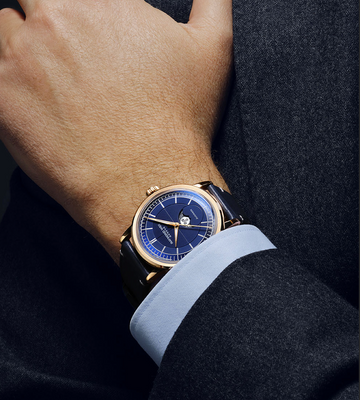
Consider your routine, too. Think about whether you prefer a smooth surface, how raised details feel during ordinary tasks, and whether you want the ring to coordinate with a watch or other jewelry. These considerations do not determine the right choice for everyone; they help you assess whether a particular design matches your own habits.
How can you make the comparison more useful?
A focused comparison is easier than trying on many unrelated designs at once. Begin with a small group based on your shared cues. If metal color is settled, compare profiles and finishes within that color. If you are undecided about the metal, keep the band shape similar while comparing colors. Changing one element at a time makes it easier to see what is driving your preference.
Take notes in plain language. You might record that a band looks balanced beside an engagement ring but feels too wide, or that a textured surface appeals to one partner while the other prefers a polished edge. These observations are more useful than a vague statement that a ring is or is not right. If you return to compare later, the notes help you focus on what remains unresolved.
When you review the pair, ask each person separately: Would I choose this ring if I were not evaluating it as part of a set? Then ask together: What detail makes these two rings feel connected? If the individual answer is positive and the pair has a shared visual cue, you have a promising direction. If one person is compromising on every important feature, revisit the options rather than treating a matching appearance as the goal.
Where can you explore coordinated wedding bands?
Seeing bands beside one another can make differences in color, width, profile, and finish easier to assess. Kravit Jewelers is a family-owned jeweler in Oceanside serving Long Island. Couples can browse the bridal jewelry collection as they decide which styles they would like to compare. You can also view a ring from the collection and note what details appeal to you.
Before visiting, bring an engagement ring, a list of preferences, and questions about fit or personalization. You do not need to arrive with every choice settled. A focused comparison helps you see how the rings look and feel on the hand. Kravit Jewelers is a family-owned luxury jeweler in Oceanside, serving Long Island since 1927. The showroom experience can help couples assess actual examples and discuss their questions in person.
Explore bridal jewelry and plan your visit
Frequently asked questions
Do wedding bands sets have to match exactly?
No. A pair can feel coordinated through a shared metal, finish, edge, or other design detail while each person chooses a different width or level of ornamentation.
Should both bands be the same metal?
Not necessarily. Matching tones create a unified look, while contrasting tones can be intentional. Compare the rings together and consider other jewelry each person wears.
Can a wedding band sit flush against an engagement ring?
It depends on the engagement ring’s setting and shape. Bring the ring when trying bands so you can assess the actual fit and consider whether a straight or contoured shape works better.
What should couples bring when comparing bands?
Bring the engagement ring if there is one, plus notes on each person’s preferred metal, width, finish, and comfort needs. A short question list can make the comparison more focused.
What is a sensible next step?
Talk together about the features each of you values, choose one or two details to connect the designs, and compare a few options on the hand. A considered pair can express a shared commitment while giving each wearer a ring that feels personal.


