




A gold chain can look substantial while containing less precious metal than its size suggests. The most useful starting point is not a promised payout, but a transparent estimate built from the chain's karat, tested weight, and a current market reference.
A sell gold chain calculator can provide an educational estimate by multiplying the chain's total weight by its karat purity divided by 24. Then comparing the estimated gold content with the daily market reference. The result is only an approximation, because testing, non-gold components, refining costs, and the chain's jewelry value can affect a final offer.
For Long Island sellers, this simple framework makes it easier to understand the numbers before visiting a professional buyer. It also shows why the inputs deserve careful attention, from the meaning of a karat stamp to the units used for weighing the chain.
How does a sell gold chain calculator estimate value?
A sell gold chain calculator is best understood as an educational estimate. It uses the chain's stated karat and measured weight to approximate how much gold the piece may contain, then considers a current market reference for gold. This can help you understand the factors behind a potential valuation, but it cannot determine a guaranteed payout or replace professional testing.
Explore Kravit's gold-buying services
The basic gold-content formula
The central calculation is straightforward: multiply the total weight by the karat number, then divide by 24. In formula form, it is (karat / 24) x total weight. The result is an estimate of the chain's gold-content weight, rather than the total weight of every material in the piece. This distinction matters because a chain may include components that are not the same material as its links.
For example, a calculator may use the karat marked on a chain and the weight you enter to estimate its gold content. It is not independently confirming that the stamp is accurate, measuring the chain's actual composition, or determining whether every part has the same purity. The calculation is therefore a useful starting point for learning how purity and weight relate to one another, not a final assessment.
Why the market reference matters
Gold's market value changes daily. A calculator that uses a current market reference can provide a more relevant educational estimate than one based on an outdated reference. Even so, the market figure is only one part of the context. The number produced by the formula represents estimated gold content, while a buyer's eventual offer involves a separate evaluation of the item and the transaction.
Market information should be treated as a reference point, not as a promise that a seller will receive that amount. An estimate based on karat and weight is an approximation, and an official valuation requires professional testing. A reputable evaluation confirms the gold content instead of relying only on an online entry or a visual assumption. That process gives both the seller and buyer a clearer basis for discussing the chain's potential value.
For Long Island sellers, the most useful role of a calculator is preparation. Record the information you already know and use the formula to understand the estimate. Then bring the chain to a qualified local jeweler when you are ready for a more informed evaluation. The final result may differ from the calculator because the estimate is not a binding offer and does not establish the chain's verified composition.
What information do you need to estimate a gold chain's value?
To estimate a gold chain's potential value, gather its karat marking, clean weight, measurement unit, construction type, non-gold components, and overall condition. These details help you separate a useful educational estimate from a misleading guess. A sell gold chain calculator can organize the inputs, but it cannot confirm purity or account reliably for every part of a finished piece.
Start with the chain's identifying details, then inspect the areas that may change the amount of gold being evaluated. Keep the following checklist nearby:
- Karat stamp: Look for a marking such as 10K, 14K, or 18K, usually near the clasp. The karat indicates the proportion of gold in the alloy, but a stamp is a starting point rather than conclusive proof. Professional verification is needed because the marking may not accurately represent every part of the chain.
- Clean, precise weight: Remove dirt and debris before weighing the piece. A precise digital scale can provide a useful starting measurement, while residue can add to the recorded weight and overstate the estimate. Record the result carefully instead of rounding aggressively.
- Consistent units: Note whether the weight is in grams, pennyweights, or troy ounces. Precious metals are measured by troy weight, not the ordinary weight system used for many household goods. One troy ounce equals 31.1034768 grams, and 20 pennyweights equal one troy ounce. Using the same unit throughout prevents an avoidable calculation error.
- Hollow or solid construction: Identify whether the chain is hollow, semi-hollow, or solid if that information is available. Two chains can look similar in size while containing very different amounts of gold. Hollow construction generally contains substantially less gold by weight than solid construction.
- Clasp and other components: Include the clasp in your inspection, but do not assume it has the same purity as the links. Clasps may use a lower karat alloy. Stones, springs, solder, steel components, and other non-gold parts can also contribute to the total scale weight without adding equivalent gold content.
- Plating: Check whether the chain is solid gold or merely gold-plated. Plating is a thin surface layer and generally does not carry meaningful raw-metal value comparable to a solid gold item.
- Condition and design: Note broken links, missing parts, heavy wear, or damage. An intact, repairable chain or a well-crafted design may have value beyond its scrap content, while a damaged piece may be assessed primarily for its metal weight.
For the most dependable estimate, bring the cleaned chain and its details to a professional buyer who can test multiple points. Including the clasp, and explain the method used. The tested gold content, rather than a single stamp or household scale reading, is what supports a final evaluation.
How do karat and weight affect a gold chain estimate?
Short answer: Karat tells you what proportion of a chain's measured weight is gold, while the weight supplies the amount being evaluated. A practical estimate applies the purity ratio to the chain's weight, then uses a current market reference. That calculation is useful for orientation, but it is not a binding offer because the piece may include non-gold components and its purity should be professionally tested.
Karat is expressed as parts out of 24. In other words, 18K gold contains 18 parts gold and six parts other metal, while 14K contains 14 parts gold and 10 parts other metal. Gold is commonly alloyed with other metals because pure 24K gold is soft and can be more vulnerable to scratching, bending, or damage. The Federal Trade Commission explains the relationship between karat and gold purity in its consumer guidance: karat measures gold purity.
| Karat | Gold parts out of 24 | Gold purity |
|---|---|---|
| 10K | 10 of 24 | 41.7% |
| 14K | 14 of 24 | 58.3% |
| 18K | 18 of 24 | 75% |
| 24K | 24 of 24 | Pure gold |
For a transparent educational calculation, multiply the eligible chain weight by the karat fraction: (karat / 24) x total weight = estimated gold content weight. For example, the gold-content portion of an 18K chain would be three-quarters of its eligible weight, before any professional adjustments. This is the basic principle behind a sell gold chain calculator, but an online tool cannot confirm whether the stamped karat applies to every part of the chain.
Units matter. Precious metals are measured by troy weight, not the standard ounce used for many everyday goods. One troy ounce equals 31.1034768 grams, and 20 pennyweights equal one troy ounce. Pennyweight, often written as dwt, is a common jewelry-industry unit. The National Institute of Standards and Technology provides the official precious-metals conversion information.
Before relying on the result, confirm whether the scale uses grams, troy ounces, or pennyweights, and make sure the measured weight represents gold-bearing material. Stones, springs, solder, a lower-karat clasp, plating, or hollow construction can change the actual gold content. A karat stamp is a helpful starting point, but professional buyers test multiple points rather than relying on one marking. The final evaluation also reflects current market conditions and the buyer's testing and refining responsibilities. An estimate should therefore be treated as a conversation starter, not a guaranteed payout.
Why can a gold chain's scrap estimate differ from its jewelry value?
A scrap estimate looks primarily at recoverable gold content, while jewelry value can also reflect how the chain was made. How well it has been maintained, and whether someone may want to wear it again. That is why a sell gold chain calculator can provide a useful starting point without replacing a professional evaluation. The estimate may be based on karat and weight, but the final assessment requires the chain to be examined and tested.
Is the chain hollow or solid?
Two chains can appear similar in size while containing very different amounts of gold. Hollow construction uses less metal than solid construction, so its tested gold weight may be substantially lower. A scale alone cannot always reveal that distinction. The chain's structure should be considered alongside its measured weight and confirmed purity.
Other components can also affect the calculation. Solder, springs, stones, and other non-gold parts may be included in a rough total weight even though they do not contribute the same gold content. A clasp deserves particular attention. Its karat may be lower than the karat of the main links, and the stamp on the clasp may not represent the entire chain.
When does craftsmanship add jewelry value?
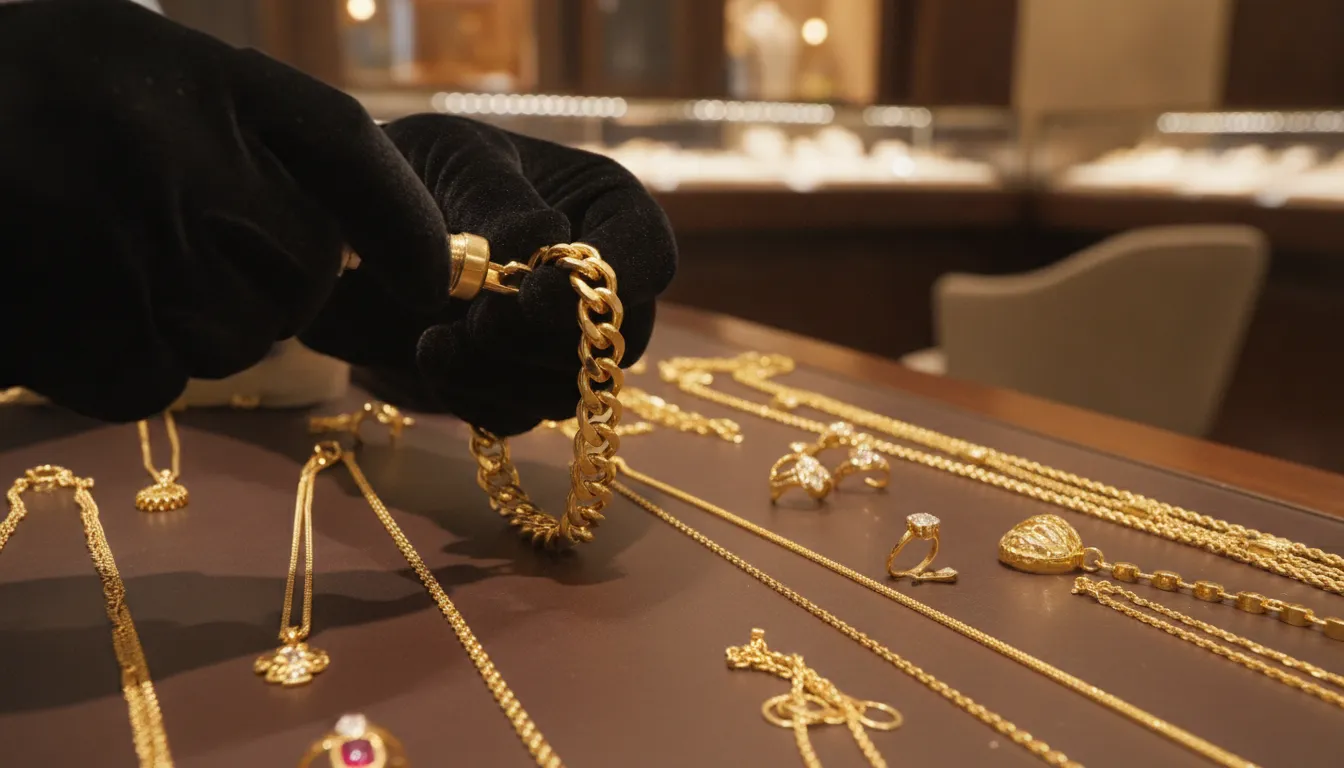
A chain that is intact, well designed, or made with notable craftsmanship may be worth more as a piece of jewelry than as raw scrap. Design, workmanship, and resale potential can matter when the item is suitable for continued use. By contrast, severe damage or missing links may limit those considerations, leaving weight and recoverable metal content as the more relevant basis for assessment.
Plating is another important distinction. A gold-plated chain has only a thin layer of gold over another material, so it generally does not carry the same raw-metal value as solid gold. A karat stamp can help identify what a piece is represented as, but visual inspection and a single mark are not enough to confirm its actual content.
Why does professional testing matter?
Professional buyers test multiple points, including relevant parts of the chain and clasp, rather than relying only on appearance or one stamp. Acid or electronic testing can help verify purity, while a careful evaluation separates gold-bearing material from non-gold components. The evaluator can then explain whether the piece is being considered for scrap content, jewelry resale, or both. Market conditions, refining costs, and testing work also affect an offer, so a karat-and-weight estimate should be treated as an approximation, not a binding result.
Learn how to sell gold jewelry for cash
What should Long Island sellers expect during an in-person gold evaluation?
Expect a careful, explainable process rather than a number produced by a sell gold chain calculator. A reputable Oceanside jeweler will confirm what the chain is made of, measure the relevant gold weight. Explain the testing and units used, and show how market conditions and buyer costs shape the offer. The result is more reliable than a visual guess or an estimate based only on a stamp.
- Clean the chain before you bring it. Remove ordinary dirt and debris with a gentle cleaning appropriate for the piece. Extra material can add to the recorded weight and make an estimate appear higher than it should. Avoid aggressive polishing or chemical treatments that could damage a delicate chain. A clean piece supports a more accurate weighing process. Learn more about selling gold near you.
- Gather the chain and useful context. Bring the complete chain, including its clasp and any attached components. If you know when or where it was purchased, have a receipt, prior appraisal, designer information, or repair history available. None of these documents replaces testing, but they can help the jeweler understand whether the piece may have value as finished jewelry rather than only as raw metal.
- Ask how purity will be verified. A karat stamp is a useful starting point, but the mark on a clasp may not represent every link. Professional buyers test multiple points because a chain can include different components, solder, or non-gold parts. Ask whether the evaluation uses an acid test, electronic testing, XRF analysis, or another method, and ask what the findings mean in plain language. Purity cannot be confirmed accurately by appearance alone.
- Confirm the weight and measurement units. Ask whether the jeweler is weighing the entire piece or separating non-gold components first. Confirm whether the result is stated in grams, pennyweights, or troy ounces. These units are not interchangeable without conversion, so using the same basis matters when you compare an estimate with an offer. The tested gold weight, not simply the scale reading for the whole chain, is the meaningful figure.
- Review how the offer is formed. A transparent buyer should explain the relationship between verified purity, gold content, the current market reference, and the costs and risk involved in testing and refining. Daily market movement can affect the underlying value. The chain's design, craftsmanship, condition, and potential resale value may also matter if it is more valuable as jewelry than as scrap. At Kravit Jewelers in Oceanside, three generations of local service and GIA-certified appraisal expertise support an informed, in-person assessment. The evaluation is still the necessary step before any final offer is determined.
For Long Island sellers, the best preparation is simple: bring a clean, complete chain, ask precise questions, and leave with a clear explanation of the result. That approach turns an online estimate into a useful starting point without treating it as a guaranteed payout.
Request a transparent in-person gold-buying evaluation at Kravit Jewelers
How can you compare a calculator estimate with a buyer's offer?
Compare the estimate and the offer line by line, rather than focusing only on the final figure. A sell gold chain calculator is an educational starting point based on assumed purity, weight, and a market reference. It is not a binding offer, because the chain's tested composition, usable gold weight, construction, and intended treatment may differ from the assumptions.
Use this calm checklist when reviewing the comparison:
- Confirm the karat basis. Make sure both figures use the same purity assumption, such as 10K, 14K, or 18K. A stamped karat is useful context, but professional testing is needed to confirm actual purity. Ask whether the buyer tested the chain or relied only on its marking.
- Confirm the clean gold weight and unit. Check that both calculations use the same weight after accounting for non-gold components. Also confirm whether the number is in grams, pennyweights, or troy ounces. Different units can make two otherwise similar calculations appear far apart.
- Ask what was included. A clasp, spring, solder, stones, or other non-gold parts may be included in a household scale reading but excluded from the buyer's gold-content calculation. Ask whether the chain is hollow or solid, since two chains with similar dimensions can contain very different amounts of gold.
- Clarify scrap versus jewelry treatment. A damaged chain may be evaluated primarily for its metal content. An intact, well-crafted, or distinctive piece may have value as jewelry beyond scrap content. Ask whether design, condition, repairability, and potential resale value were considered before the offer was formed.
- Check the market reference and timing. Gold's market price changes daily, so the estimate and offer should be tied to a clear reference point. Ask which market reference was used and when it was applied. The comparison is meaningful only when both figures use a comparable market basis.
- Request a transparent explanation of costs. Buyers account for testing, refining, operations, and market risk when forming an offer. A reputable buyer should explain how those factors affect the result without hiding the method or presenting an unexplained deduction.
If the buyer's explanation is clear, the purity and weight were tested. And the offer reflects the chain's actual condition and treatment, a difference from an educational estimate is not automatically a problem. The important question is whether you understand the assumptions and feel free to decide without pressure.
For more preparation guidance before visiting a local jeweler, read our local gold-selling guide. It can help you organize questions and approach an in-person evaluation with realistic expectations.
Frequently Asked Questions
How much will I get if I sell my gold chain?
You can estimate potential value by calculating the chain's gold content from its karat and tested weight, then comparing that amount with a current market reference. The result is only an approximation, not a guaranteed payout. Purity testing, non-gold components, refining costs, market conditions, and whether the chain has resale value can all affect a final offer.
How is the value of a gold chain calculated?
Multiply the chain's total weight by its karat rating divided by 24 to estimate its gold content. For example, an 18K chain is 75% gold. This calculation is useful for learning how the estimate works, but the final gold weight may differ if the chain is hollow. Includes solder or stones, or has a clasp made from a different karat.
What information do I need to estimate the value of my gold chain?
Start with the karat mark, a precise weight, and the unit used for that weight. Note whether the chain is hollow or solid, and identify stones, springs, solder, or other non-gold parts. Precious metals are measured by troy weight, and one troy ounce equals 31.1034768 grams, so consistent units matter. NIST explains precious-metal weight conversions.
How can I verify the karat purity of my gold chain?
Inspect the stamp for a mark such as 10K, 14K, or 18K, but do not rely on the stamp or appearance alone. A professional buyer should test the piece, explain the method used, and account for variations between the links and clasp. This testing is what turns a rough estimate into a more informed evaluation.
Ready to move from an estimate to an evaluation?
A karat-and-weight estimate can help you understand your gold chain before taking the next step. But an in-person review allows its condition, construction, and components to be considered more carefully. Long Island sellers can visit Kravit Jewelers' gold-buying page to learn about an evaluation in Oceanside, NY. Bring the chain and any details you have, then ask the team to explain how the assessment is formed.


