
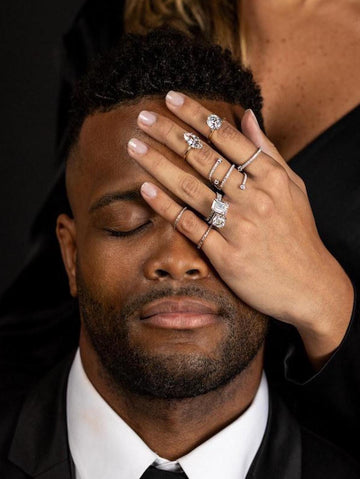

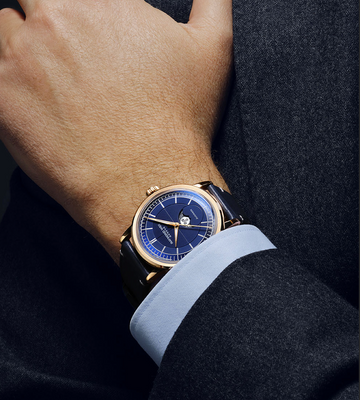
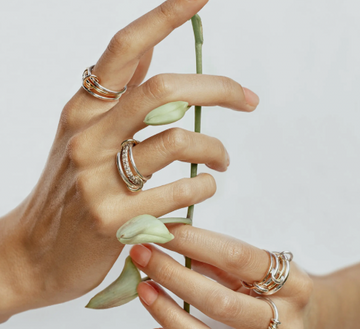


If you are researching Roberto Coin Capri Plus, begin with the exact piece rather than the collection name alone. A line name can point your search in a direction, but it does not confirm every item’s metal, dimensions, finish, price, or fit. For Long Island shoppers, the useful question is how to compare a particular piece and decide whether it suits your style, plans, and budget. This guide gives you a clear way to do that without relying on assumptions drawn from a photograph or a broad collection label.
Call to discuss a showroom visit
What should you confirm about a Roberto Coin Capri Plus piece?
First, make sure you and the jeweler are discussing the same item. Ask for the exact product name or item reference, and check whether the piece being considered is the one shown in a photo, online listing, or showroom. Similar names or images can leave room for confusion. A specific reference keeps the conversation focused on the actual piece rather than a general impression of the collection.
Then confirm the details that affect how you will wear and care for it. Ask what metal is used, whether stones are present, what the dimensions are, how it closes or fastens, and whether there are care instructions for its finish. Do not infer specifications from the collection name or appearance in a photograph. Confirm them for the exact item.
- Identity: What is the exact item name or reference?
- Materials: What metal and, where relevant, stones are used?
- Measurements: What are the dimensions, length, or width?
- Construction: How does it fasten, adjust, or sit when worn?
- Care: What cleaning and storage practices are appropriate for this item?
These questions are practical whether you are buying for yourself or choosing a gift. They help turn a broad search into a comparison of details you can evaluate. Browse Kravit’s fine jewelry selection as a starting point, then verify each piece individually.
How can you tell whether the piece suits your style?
Think about how the jewelry will fit into your existing wardrobe before focusing on the collection name. Consider the colors and shapes you wear often, whether you prefer understated or noticeable pieces, and how the jewelry will coordinate with items you already own. If you are shopping for a gift, make a short list of what you know about the recipient’s preferences instead of trying to guess from a single photograph.
Scale matters, but it is difficult to judge from a screen. A close-up image can make a small detail appear prominent, while a wide product photo may make the piece look smaller than it is. Ask for actual measurements and, if you visit a showroom, view the piece at a natural distance and try it on if appropriate. Notice how it looks from more than one angle and how it feels after a few minutes of wear.
It can also help to compare the item with jewelry you already wear. Bring a similar piece or a photograph of it, if convenient. You can discuss whether the proportions and finish feel harmonious together. This is not about following a fixed matching rule; it is a way to make the choice more personal and grounded in how you dress.

What should you compare before making a decision?
Compare like with like. If you are considering more than one option, write down each item’s verified specifications and the questions that remain open. Avoid comparing an estimated measurement for one piece with a confirmed measurement for another, or treating a difference in price as meaningful without understanding what differs. Use a simple table to organize the discussion.
| What to compare | What to verify | Why it helps |
|---|---|---|
| Exact item | Product name or reference for the piece being considered | Keeps photos, descriptions, and the in-person item aligned |
| Materials | Metal and any stones, confirmed for that item | Helps assess appearance, care, and personal preferences |
| Fit and scale | Measurements, length, width, and how it sits when worn | Makes comparison more reliable than judging an image alone |
| Price | Current price and any variation between the options | Lets you compare the actual pieces and their verified details |
| Care | Cleaning, storage, and handling guidance for the item | Helps you understand ongoing care involved |
| Purchase details | Current availability and applicable store policies | Confirms practical details directly before you decide |
Do not assume a listed price, availability, or product detail remains current just because you saw it earlier. Ask the store to confirm information for the exact piece at the time you are considering it. If one detail matters especially, such as a particular length or metal, make it a clear question rather than relying on a general description.
Keep your own priorities at the center as you use a guide or listing. General information can help you identify what to ask, but the choice depends on what you want from the particular piece. You may care most about scale, how it feels, how it pairs with other jewelry, or whether it suits an occasion. Note those priorities alongside verified item details. Then you can return to the showroom conversation with a clear sense of what matters and avoid comparing options on details that do not affect your decision.
How can you use reliable care guidance?
Care advice should fit the materials and construction of the item, not just the collection name. Before cleaning any fine jewelry, identify its metal, stones, and any delicate finish or setting. Ask the jeweler for item-specific instructions, including which cleaning methods to avoid and how to store it safely. When details are uncertain, do not experiment with household chemicals or abrasive materials.
The Federal Trade Commission’s jewelry guidance explains that precious-metal descriptions and markings have specific meanings. Its consumer resource is useful background when you want to understand metal descriptions, but it does not replace confirmation of an individual item’s specifications. See the FTC Jewelry Guides for information on jewelry claims and descriptions. For a purchase decision, ask the jeweler to identify the material of the exact piece and clarify any terms in its description.
A practical care conversation can cover daily habits as well as cleaning. Ask whether the piece should be removed for particular activities, how it should be stored to reduce contact with other jewelry, and what signs of wear deserve professional attention. These answers depend on the construction and materials, so avoid treating general online advice as a universal rule.
How can an in-person visit make the comparison clearer?
A showroom visit gives you a chance to look at the actual piece, ask follow-up questions, and discuss how it fits your preferences. It can be especially useful when photographs do not make scale, texture, or color clear. Kravit Jewelers is a family-owned jeweler in Oceanside serving Long Island since 1927. A conversation with the team can help you focus on the item’s confirmed details and what matters most to you.
Before visiting, save the product link or image that prompted your interest and note the exact questions you want answered. If you have seen several versions, bring their names or references too. Ask whether the specific piece is available to view before making a trip; availability can change, and a collection name alone does not confirm that a particular item is in the showroom.
During the visit, take your time. Look at the jewelry under showroom lighting and from a comfortable distance. If you are choosing a gift, discuss the recipient’s usual style and the occasion. If you are choosing for yourself, think about where you expect to wear it and whether it feels comfortable with your usual jewelry. The best comparison reflects your preferences, not a rushed decision based on a name or photograph.
What questions are useful when considering fine jewelry?
A concise set of questions can make an appointment more productive. You do not need technical language in advance. Describe what you like, explain what you are unsure about, and ask the jeweler to clarify anything that is not clear.
- Can you confirm the exact name or reference for this piece?
- What are its materials and measurements?
- How does it fasten or adjust, and how should it fit?
- What care is recommended for this specific item?
- Is this exact piece available to view, and what is its current price?
- Are there comparable pieces I can see to understand differences in size, finish, or design?
These questions leave room for personal taste while checking the facts that shape a considered purchase. You may also wish to ask what information is included with the piece and what store policies apply. Those details can vary, so confirm them directly rather than relying on assumptions or policies you have encountered elsewhere.
Explore more jewelry guides before you compare
How can you prepare if you are still exploring?
You do not have to settle on a specific item before talking with a jeweler. Start with a few broad preferences: the kind of jewelry you are looking for, the general look you enjoy, whether you have a material preference, and how you expect to wear or give the piece. If budget is part of your decision, state the range that feels comfortable and ask to see options that fit it. You can also explore designer gold jewelry to see other styles, then compare only pieces with details you can verify.
For additional preparation, Kravit’s jewelry and engagement guides offer more ideas for approaching a fine jewelry decision. Use those resources to develop questions, not as a substitute for confirming the current specifications of an individual item. A well-prepared conversation can still be relaxed: bring what you know, ask about what you do not, and give yourself space to compare.
How can you make the showroom conversation specific?
Begin by explaining what brought you to Capri Plus and what you hope to learn. Perhaps you have seen one image, are comparing two pieces, or are looking for a gift with a particular feel. A short explanation helps the jeweler understand the question behind your search. Be direct about what you value most, whether that is proportions, how it coordinates with other jewelry, its materials, or its suitability for regular wear.
Ask one question at a time and make sure the answer refers to the exact item. If a description uses a term you do not recognize, ask for a plain-language explanation. If a detail affects your decision, repeat it back or note it so you can compare it accurately later. There is no need to arrive with specialist knowledge; clear questions are enough to keep the discussion useful.
What details should you revisit after the appointment?
After comparing options, review your notes. Which specifications were confirmed? Which questions remain unanswered? Did the item feel comfortable and look as expected in person? If you are choosing a gift, did you find an option consistent with the recipient’s style? These reflections can help distinguish a genuine preference from the first impression created by an image or collection name.
If you need to verify a detail later, use the item reference you collected rather than searching only by the broader line name. This makes it easier to return to the same item and ask a precise follow-up. Confirm current price and availability again before completing a purchase, especially if time has passed since your visit. Taking time to review the facts can make the final choice more deliberate and personal.
Focus on a few factors that genuinely matter rather than attempting to evaluate every possible detail. You might prioritize how the jewelry looks when worn, whether its dimensions suit your preferences, or whether its materials and care fit your routine. If more than one option meets those needs, consider which feels most natural with pieces you already own. If none feels right, continue looking rather than treating the first option as the only answer. The point of a local consultation is to see and discuss the actual jewelry, understand what is confirmed, and decide whether it suits your purpose.
Explore fine jewelry and plan your visit
Frequently asked questions
Does the name Roberto Coin Capri Plus confirm the materials of every item?
No. Confirm the metal, any stones, measurements, and other specifications for the exact piece you are considering. Do not rely on the line name alone to establish an item’s details.
Can I judge the size from an online image?
A photograph can be useful for an initial impression, but it may not communicate true scale. Check listed measurements and, when possible, view the piece in person to understand how it looks and feels.
Should I confirm availability before visiting?
Yes. Ask whether the specific item you want to see is currently available. Availability can change, and a collection name does not confirm that a particular piece is in the showroom.
What should I bring to a jewelry appointment?
Bring the item name, product reference, or a saved image, along with your questions and style preferences. If you are comparing options, note each item’s verified details so you can discuss them clearly.
What is a sensible next step?
Use the collection name as the beginning of your research, then make the decision around the exact item and its confirmed details. A focused conversation and an in-person comparison can help you choose with greater clarity and confidence.


