




Many jewelry buyers believe that 24-karat gold is the best choice for a daily ring. In reality, pure gold is so soft that you can bend a solid band with your hands.
Visit Kravit Jewelers in Oceanside to Compare Gold Karats in Person
Gold karats explained is the system used to measure how much pure gold is mixed with other metal alloys in a jewelry piece. This system is based on a scale of 24 parts, where 24-karat gold is 100 percent pure but too soft for daily use. To make jewelry durable, gold is alloyed with stronger metals like copper, silver, or zinc. Common options like 10-karat, 14-karat, and 18-karat gold have different amounts of pure gold, with 14-karat and 18-karat being the standard choices for fine jewelry. Choosing the right karat level is a key step when picking an engagement ring or wedding band. Knowing this scale helps you find the perfect balance of strength, color, and value for your lifestyle.
When you shop for a fine piece of jewelry on Long Island, you may wonder how these different numbers affect beauty and wear. To choose the perfect option, we must look at What Does Gold Karat Actually Mean? The path begins with
Gold Karats Explained: What Does Gold Karat Actually Mean?
When you shop for fine jewelry, you will see a number followed by the letter "K." This letter stands for karat. Which is the standard unit used to measure gold purity. For many people, knowing karat purity before selling gold or buying a new piece is key to getting the best value. Simply put, the karat mark tells you how much pure gold is in the piece.
The 24-Part Purity Scale
The karat system uses a scale based on 24 parts. As shown by the U.S. Geological Survey, the karat rating tells you how many parts out of 24 are pure gold. For instance, a ring made of 24-karat gold contains 100% pure gold. A 14-karat ring has 14 parts gold mixed with 10 parts of other metals.
To find the gold amount, you can do some simple math. Take the karat number, divide it by 24, and multiply by 100. This math shows that 14K gold is 58.3% pure gold, while 18K gold is 75% pure gold. Most jewelry stamps show these numbers so you can find the purity of your gold with ease.
The Role of Alloy Metals
You might wonder why jewelers mix pure gold with other metals. While 24-karat gold has a rich, deep color, it is too soft to make strong jewelry. The Federal Trade Commission notes that pure gold is too soft for daily wear because it can scratch, bend, or warp with ease. To make gold strong enough for daily wear, jewelers mix it with metals like copper, silver, zinc, or nickel.
This is why many gold karats exist. Each level of karat has its own unique mix of purity and strength. To have these gold karats explained is to see how each blend fits a certain type of jewelry. While a piece with less gold is harder and wears well over time, a higher gold content shines brighter but needs more care.
Karat Versus Carat
People often confuse the words karat and carat because they sound the same, but they measure two distinct things. A karat, spelled with a "K," measures the purity of gold, while a carat, spelled with a "C," measures the weight of gemstones. One carat is equal to just 200 milligrams of gemstone weight. Knowing this fact will help you shop for fine jewelry with ease.
Gold Karat Comparison: 10K vs 14K vs 18K vs 22K vs 24K
Choosing the right gold piece can feel hard when you see so many karat options. Each karat is a unique mix of pure gold and other metals. To help you find the best fit, we have made a side-by-side comparison of the most common gold types. Having these gold karats explained will make your shopping experience simple and clear.
Purity Levels on the Karat Scale
Every karat level has a specific gold content that changes its look, strength, and value. The U.S. Geological Survey states that the karat mark measures the purity of gold in 24 parts.
This means 10K gold has the lowest gold content. In contrast, 24K gold is the highest purity you can buy. Knowing the gold percentage helps you select a piece that fits your daily routine.
For example, 10K gold contains 41.7% pure gold, making it highly durable but less valuable. On the other hand, 14K gold contains 58.3% gold, and 18K gold contains 75% gold. If you go up to 22K gold, you get 91.6% purity.
Pure 24K gold is 99.9% pure, but it is too soft for daily use. Federal Trade Commission guidelines explain that pure gold must be mixed with harder metals to make strong jewelry.
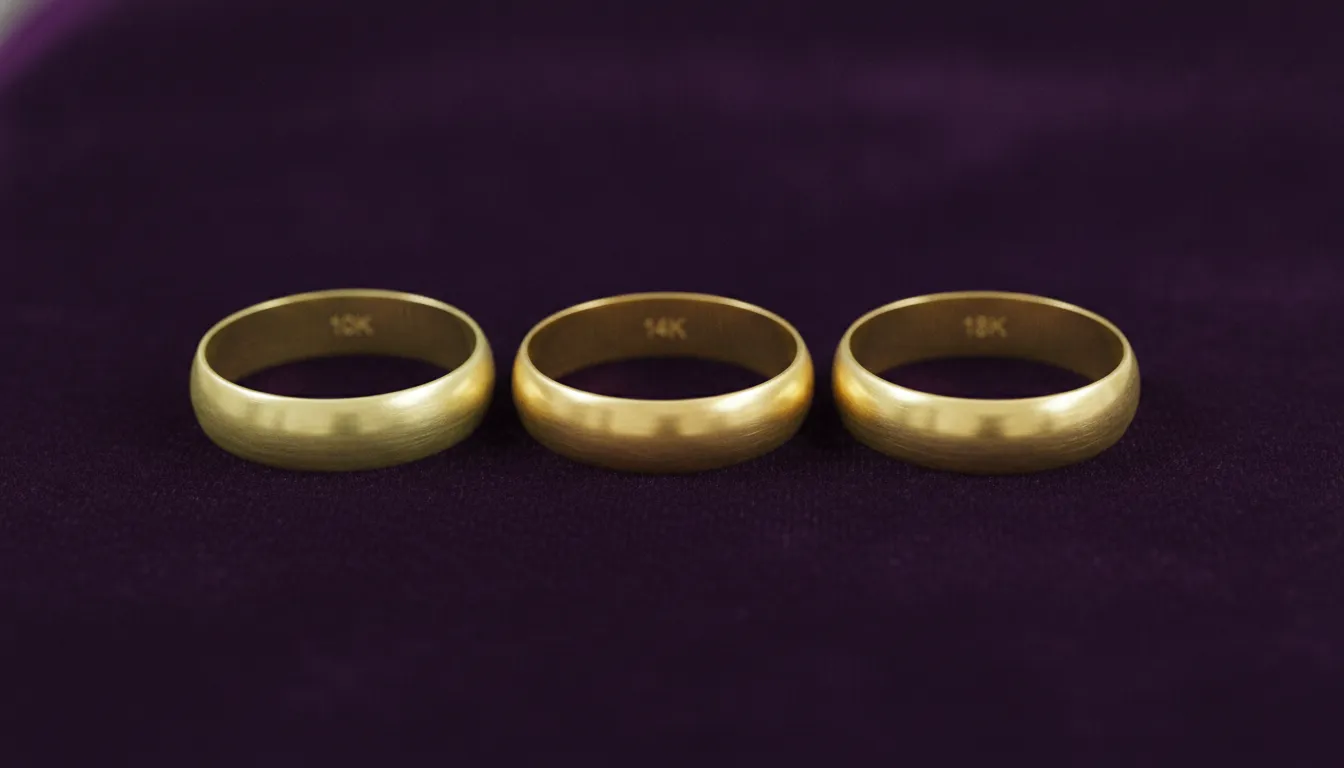
Side-by-Side Karat Comparison
This table compares the main gold karats to show how they differ. It highlights their purity, durability, color options, and price levels. This guide will help you weigh your options with ease before you buy.
| Karat | Gold % | Durability | Color Options | Best For | Price Tier |
|---|---|---|---|---|---|
| 10K | 41.7% | High | Pale Yellow, White, Rose | Active Wear, Budget Jewelry | Budget |
| 14K | 58.3% | Medium-High | Classic Yellow, White, Rose | Everyday Rings, Fine Jewelry | Moderate |
| 18K | 75% | Medium | Rich Yellow, White, Rose | Engagement Rings, Luxury Pieces | Luxury |
| 22K | 91.6% | Low | Deep Yellow | Wedding Bands, Fine Art | High-End |
| 24K | 99.9% | Very Low | Vibrant Gold-Yellow | Investment, Bullion | Premium |
Practical Value and Choice
When shopping, you should match the karat to your lifestyle and budget. For daily jewelry, 14K or 18K gold offer the best balance of beauty and strength. If you want to sell an old ring, knowing karat purity before selling gold helps you get a fair price. At Kravit Jewelers, our family has helped Long Island buyers since 1927 find their perfect gold jewelry.
10K vs 14K Gold: Affordable Durability for Daily Wear
Many jewelry buyers want a ring or band that can stand up to daily wear. If you have an active lifestyle, you need a metal that does not scratch or bend easily. Both 10K and 14K gold offer great choices at a lower cost than higher purity alloys. But they differ in their gold content, look, and skin safety.
The Strengths of 10K Gold
Ten karat gold is the toughest of the common gold blends used in the US. Under rules from the Federal Trade Commission, gold jewelry must be at least 10K to carry the gold label in the US. This blend contains 41.7% pure gold, while the rest is made of other metals like copper or zinc. With this large mix of other metals, 10K gold is hard and resists scratches well. For anyone who works with their hands, wears rings during sports, or wants an affordable wedding band. 10K offers genuine toughness at a price that leaves room in the budget for the stone setting or engraving.
Many couples choose 10K gold for wedding bands because of its strength and lower price tag. Since gold is a rare and costly metal, using less of it means you pay a lot less. But some people find its color is a bit pale compared to higher karats. If you decide to trade up later, its scrap value will reflect that lower gold content.
The Everyday Balance of 14K Gold
Fourteen karat gold is the most popular choice for engagement rings and wedding bands in the US. It contains 58.3% pure gold, with the rest made of other metals. This mix strikes the best balance between rich color and daily strength. It offers a warm, classic gold look without being too soft to wear every day.
Because of its high gold content, 14K gold keeps its bright yellow luster for a lifetime. It does not tarnish fast and works well for fine custom designs. At Kravit Jewelers, our family has helped Long Island shoppers choose the right metals since 1927. We often suggest 14K for engagement rings because it protects fine gems while keeping a warm yellow shine. You can view our range of designer gold jewelry in Oceanside to see the warm tone for yourself.
Choosing the Right Purity for Your Skin
When you compare 10K and 14K gold, you must also think about skin safety and metal allergies. Pure gold itself does not cause skin rashes. But the other metals mixed with gold can cause itching for some people. Nickel is the most common alloy metal that causes these skin issues.
Since 10K gold has a larger share of other metals, it has more nickel and copper. If you have sensitive skin, 10K gold may cause a mild rash or turn your finger green. In contrast, 14K gold has fewer other metals, making it much safer for daily wear. Most people with mild skin allergies find that 14K gold does not cause any itching. If skin safety is a big worry, 14K gold is the better choice for your daily jewelry.
- 10K gold: Toughest karat for daily wear, lowest cost, paler yellow color, higher risk of skin reaction from alloy metals
- 14K gold: Best balance of warmth and strength for everyday rings, industry standard for engagement rings in the US, lower nickel content means fewer allergic reactions
- 18K gold: High purity with rich color and hypoallergenic properties, ideal for luxury engagement rings and special occasion pieces
18K Gold: The Luxury Standard for Engagement Rings and Fine Jewelry
To have gold karats explained simply, 18-karat gold is a high-purity alloy that contains 75 percent pure gold. It offers a rich, warm tone and strong wear resistance, which makes it the standard choice for luxury jewelry and fine custom rings.
The gold purity scale and 18k composition
Gold karats show the ratio of pure gold to other metals in a piece of jewelry. According to the U.S. Geological Survey (USGS), 18-karat gold contains 75 percent pure gold and 25 percent alloy metals. These other metals often include copper, silver, or zinc. Jewelers mix in these stronger metals to help the gold hold its shape and resist daily scratches.
This high gold content gives the metal a deep, warm yellow glow that lower karats cannot match. The color looks elegant and rich, making it the top pick for high-end designer pieces and luxury items. When you buy this metal, you get a piece that is highly pure but still strong enough to wear for years.
Why 18k gold is the best choice for rings
Most couples want their wedding rings to last for a lifetime. This is why 18-karat gold is the standard for bridal jewelry on Long Island. At Kravit Jewelers, our master craftsmen use this fine metal to create beautiful custom jewelry design pieces and custom rings. The metal holds diamonds and precious stones in a safe, secure grip that protects your gem from loose prongs.
Because 18-karat gold has high purity, it is also highly hypoallergenic. People with sensitive skin often get rashes or red marks from lower-karat gold because of the high amount of nickel or copper. Choosing a higher gold karat protects your skin and keeps your ring comfortable to wear all day long.
- Rich color: The 75 percent gold content gives the metal a warm, deep yellow glow that looks premium next to lower karats.
- Hypoallergenic: Having fewer base metal alloys reduces the risk of skin irritation or allergic reactions.
- Securer settings: Master jewelers can work the metal with high precision to form strong, safe prongs for your diamonds.
Our Oceanside design team often recommends this option to couples who want both beauty and comfort. We can help you pick the best metal for your custom ring during a private showroom visit.
Comparing 18k gold to lower karats
When you compare 18-karat gold to 14-karat gold, you will notice a clear difference in color and weight. Lower karats contain more base alloys, which can make the metal look slightly pale or dull. In contrast, 18-karat gold has a heavy, luxurious feel on the finger that feels substantial. The Federal Trade Commission (FTC) provides guidelines on how jewelers must mark gold purity to protect buyers.
While 14-karat gold is common for active wear, 18-karat gold remains the choice for true luxury. It holds its value better over time because it contains a much higher percentage of pure precious metal. If you want a ring that feels special and shows off a rich color, 18-karat gold is the best option for your fine jewelry collection.
How Alloys Create Gold Colors: Yellow, White, and Rose Gold
Pure gold is always yellow, but it is too soft for daily wear. To solve this, master jewelers mix pure gold with other metals, also known as alloys. According to the Federal Trade Commission, mixing gold with other metals makes the jewelry harder. This process helps us make fine rings that last for a long time. It also lets us make different colors by changing the metal blend. If you want to have your designer gold jewelry in Oceanside custom-made, choosing the right alloy blend is key.
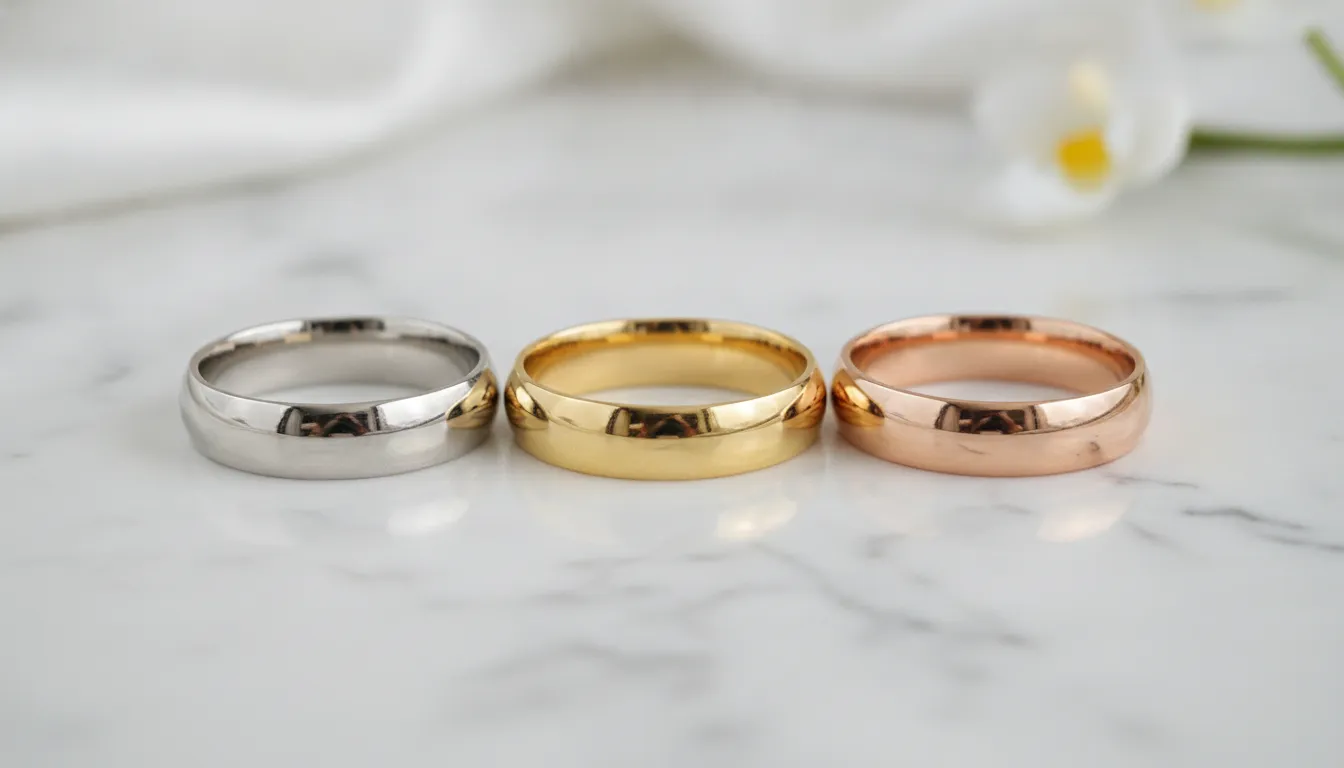
The recipe for yellow and rose gold
Yellow gold uses a classic mix. Jewelers blend pure gold with copper and silver. This mix keeps the warm look of pure gold while making it strong. In our family-owned Oceanside shop, we often use yellow gold for classic bands. It has a rich, warm glow that is perfect for any style.
Rose gold has a pink hue. This warm shade comes from a high copper content. When you mix pure gold with a large amount of copper, you get a lovely blush pink metal. This blend is highly durable because copper is a very tough metal. It is a popular choice for modern engagement rings and custom jewelry. Our team loves to work with this tough, warm metal to create unique pieces.
White gold and the rhodium finish
White gold has a bright, silvery look. As the U.S. Geological Survey explains, white gold was made to mimic platinum. To get this silvery color, jewelers mix pure gold with white metals. These metals include nickel, zinc, and palladium. Nickel makes the metal very hard and tough. But the final mix still has a light yellow tint.
To get a bright white shine, jewelers coat white gold with a thin layer of rhodium. Rhodium is a rare metal from the platinum family. This plating protects the ring from scratches and gives it a mirror-like finish. Over time, this plating will wear off, and the warm yellow tint will start to show. White gold needs regular care to keep its look. We advise having your jewelry polished and replated every few years. Our Oceanside staff can do this service in our local store.
Durability differences across gold hues
When you look at gold karats explained, color is more than just a style choice. The alloy metals also change how tough the ring is. At the same karat, each color will have its own strength. For example, 14K rose gold is tougher than 14K yellow gold. This is because copper is a very tough metal, and rose gold has a lot of it. White gold is also strong because of its hard nickel blend.
- Yellow gold: Classic warmth, medium durability, suits all skin tones, easy to polish and maintain
- White gold: Bright silvery look, very durable when alloyed with nickel, needs rhodium replating every 1-3 years
- Rose gold: Highest durability among the three at the same karat level, naturally hypoallergenic when made with copper, romantic vintage blush tone
- Two-tone and tri-color: Combine multiple gold colors in one piece, popular for anniversary bands and statement rings
How to Choose the Right Gold Karat for Your Jewelry
Finding the best gold purity level for a new ring or band depends on a few key factors. When you look at gold karats explained, you must weigh your daily routine, budget, and taste. Choosing the right metal is a main step to ensure your piece lasts for years.
Lifestyle and daily routine
Your daily tasks play a big role in which karat level you should select. If you work with your hands or have an active lifestyle, you need a tough metal. Low-karat options like 10K or 14K gold are best for items you wear every day. These blends contain more alloy metals, so they resist scratches and dents well.
For special events or luxury gifts, 18K gold is the ideal standard. It contains 75 percent pure gold, which gives it a rich, warm glow. At Kravit Jewelers, we use 18K gold to craft custom engagement rings on Long Island. This metal highlights fine gems while holding them in place with style.
High-purity gold like 22K or 24K gold is best for heirloom pieces or investment items. These metals have a deep yellow shade, but they are too soft for daily rings. If you choose high-purity gold, you must treat your jewelry with great care to avoid scratches.
Skin safety and metal alloys
Your skin type is another vital point when choosing a karat level. Pure gold does not cause metal allergies or skin rashes. But lower-karat options contain a higher share of base metals like copper, zinc, or nickel to increase their hardness.
If you have sensitive skin, white gold can sometimes present a problem. White gold is often made by mixing pure gold with nickel to mimic platinum. According to the Mayo Clinic, nickel is a common cause of allergies that can trigger an itchy rash. If skin safety is a concern for you, high-karat yellow gold or nickel-free white gold is a much safer path.
The showroom experience in Oceanside
Reading about gold purity is helpful, but seeing the metals in person is the best way to choose. In our local showroom, you can see how 10K, 14K, and 18K gold look side-by-side. Comparing these metals under real light makes it easy to find the tone that matches your skin.
Our family has served Nassau County and Oceanside since 1927. We invite you to visit our store to explore designer gold jewelry in Oceanside. Our staff will help you find the best gold karat for your daily routine. We can answer all your questions in a warm, relaxed setting.
Frequently Asked Questions
Is 14K or 24K gold better?
Which is better depends on how you plan to wear the jewelry. According to the Federal Trade Commission, pure twenty-four karat gold is too soft for daily wear. This means it can scratch and bend very easily. Fourteen karat gold is a mix of gold and other strong metals. It holds up well to daily use and costs less. For rings and bands you wear every day, fourteen karat gold is usually the better option.
Which gold karat is the strongest?
Ten karat gold is the strongest karat option commonly found in fine jewelry. The U.S. Geological Survey states that karat represents parts of gold out of twenty-four. Ten karat gold has only ten parts pure gold and fourteen parts of other metals. These other metals include copper, silver, and zinc. These extra metals give the gold its hardness. This makes 10K the best choice for rings that take a lot of daily wear.
What does 14K gold mean compared to 18K gold?
Fourteen karat gold contains 58.3% pure gold, while 18K gold contains 75% pure gold. This means 18K has a richer yellow color and commands a higher resale value, but it is softer and more prone to scratches. The extra alloy metals in 14K give it greater daily durability. For an engagement ring you plan to wear every day for decades, 14K offers proven toughness. For a special occasion piece or a ring that sees lighter wear, 18K delivers unmatched warmth and luxury.
Can I wear 18K gold every day?
Yes, 18K gold can be worn daily, but it requires more care than 14K or 10K options. Because 18K has a higher gold content, the metal is softer and will show surface scratches over time. These scratches can be polished out during routine jewelry cleaning. Many Long Island residents choose 18K for engagement rings and wear them daily with no issues, knowing that occasional professional polishing keeps the piece looking its best.
Does gold karat affect jewelry value?
Yes, karat directly affects the value of your jewelry. Higher karat gold contains more pure gold, which gives it a higher intrinsic scrap value. However, the craftsmanship of the piece, the quality of any gemstones, and the brand can add significant value beyond the gold content alone. When selling old jewelry, knowing the exact karat level before you walk into a buying appointment helps you negotiate with confidence. Visit our gold buying page to learn how we evaluate karat purity.
What does KP mean on a gold stamp?
KP stands for karat plumb, a certification mark that guarantees the gold purity is exact to the stamped karat, with no variance. For example, a ring stamped "14KP" is guaranteed to be at least 14 karats. Unlike standard "14K" which can vary by up to 0.5 karats under industry tolerance rules. Most fine jewelry uses the standard karat stamp, but KP stamps offer extra assurance for investment-grade pieces.


