
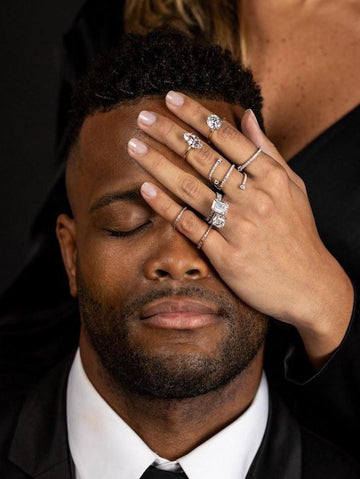
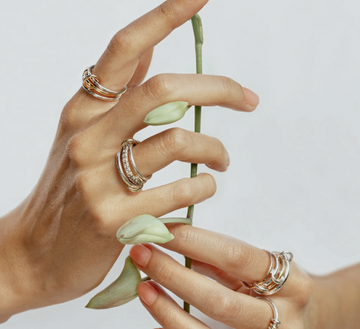


A diamond shapes guide engagement ring search helps couples find the perfect center stone by matching aesthetic tastes with lifestyle needs. Diamond shape refers specifically to the stone's physical silhouette when viewed from above, such as round. Oval, or square, while the cut style describes how its flat facets are arranged to reflect light. Choosing the right shape is a balance of visual style, finger-flattering proportions, and light performance, as certain designs maximize sparkle while others highlight clarity. To find your ideal match, couples on Long Island can explore curated collections of fine engagement rings under the guidance of expert jewelers. Understanding how these contours and facet styles interact is the first step toward selecting a lifetime treasure.
The journey to selecting a beautiful center stone begins with mastering the fundamental language of gemology. To help you navigate this milestone decision, let us explore the critical distinction between shape and facet arrangement in our next section, Diamond Shape vs. Cut Style: Understanding the Difference, which explains how these features influence beauty and light. Here is how.
Diamond Shapes Guide Engagement Ring: Diamond Shape vs. Cut Style: Understanding the Difference
When you start shopping for a diamond, you might hear the words shape and cut used to mean the same thing. But diamond professionals make a clear distinction between these two terms to avoid any confusion. Knowing this difference is a key part of using a diamond shapes guide engagement ring to find your perfect style.
What is Diamond Shape?
Diamond shape refers to the outer outline or silhouette of the stone when you look at it from the top. Common shapes include round, oval, square, pear, marquise, cushion, and heart. The silhouette you choose sets the main style and look of your ring. It is the first thing people notice when they look at your hand.
What is Cut Style?
Diamond cut style refers to how the flat surfaces, or facets, of the stone are arranged and angled. This facet pattern determines how light reflects and refracts inside the gem. A good cut style creates the bright sparkle, fire, and brilliance that makes a diamond stand out. Even if two diamonds have the same outer shape, they can look very different if they have different facet patterns. Knowing how shape and cut style work together helps you evaluate how they affect the diamond's overall light performance and visual beauty.
Brilliant Cuts vs. Step Cuts
To help you choose, diamond shapes are grouped into cut families. Brilliant cuts are made for maximum sparkle. This group includes round brilliant, pear, and princess cuts. They have many small, triangular facets that bounce light in all directions.
Step cuts have long, flat facets that run parallel to the edge of the stone. This group includes emerald and Asscher cuts. They look like a set of steps. Step cuts show off the clarity and color of the stone rather than intense sparkle. To get a complete look at how these cuts fit into your search, you can learn more about diamond shapes and cut quality before you make a choice.
Round Brilliant: The Timeless Classic
When most people picture a classic diamond, they visualize the round brilliant shape. It is the single most sought-after choice on the market today. This classic silhouette remains the central pillar of any diamond shapes guide engagement ring shoppers rely on for their search. In fact, research shows that the round brilliant shape accounts for about 75% of all diamonds sold worldwide.
Unmatched Sparkle and Proportions
The intense sparkle of this shape comes from its precise facet pattern. A standard round brilliant diamond features exactly 57 or 58 facets, which are angled to capture and reflect the maximum amount of light. To enhance this light performance, Marcel Tolkowsky proposed ideal proportions in 1919. These historic angles are specifically designed to balance fire and brilliance, creating a stone that flashes with spectral color while retaining its bright white reflection.
The Iconic Six-Prong Setting
The timeless appeal of the round brilliant stone is closely tied to its setting history. In 1886, Tiffany introduced its iconic six-prong solitaire setting. This design lifted the diamond above the band to maximize light entry from all directions. This style remains the most popular center stone choice for Engagement Rings of all styles. It highlights the natural symmetry of the round shape while securing the stone safely for everyday wear.
The Price Premium of Round Diamonds
While the round brilliant offers unmatched shine, it also commands a higher price per carat than fancy shapes. This price premium is driven by two main factors: high market demand and significant material loss during cutting. Shaping a round diamond from raw rough stone often wastes more than half of the original crystal weight. At Kravit Jewelers, our custom consultations help Long Island couples compare round brilliants against fancy shapes to find the best fit for their lifestyle.
Princess, Cushion, and Emerald: The Most Popular Fancy Shapes
When searching for a centerpiece using a diamond shapes and cut quality resource, you will find options beyond the classic round stone. These are known as fancy shapes. The princess, cushion, and emerald cuts are the three most popular fancy choices for a Engagement Rings collection. Each shape offers a unique look, has its own history, and matches different styles.
The Modern Princess Cut
The princess cut is a popular square or rectangular shape. According to GIA guidelines, it is known for its modern look and intense sparkle, which comes from a modified brilliant facet arrangement. It features sharp, clean lines that look sleek and geometric. This shape is perfect for people who love contemporary style but still want the maximum possible shine from their center stone. It also complements long fingers by creating a balanced, square focal point.
The Vintage Cushion Cut
If you prefer a softer look, cushion-cut diamonds are known for their soft, rounded edges and a pillow-like shape. GIA research shows they often offer a romantic, vintage appearance that has gained popularity in modern engagement ring designs. This shape blends a square silhouette with rounded corners to create a classic feel. Cushion cuts are highly versatile. They look beautiful on many finger types and work well for those who love romantic, antique designs.
The Elegant Emerald Cut
The emerald cut offers a completely different visual appeal. It belongs to a group known as step cuts, which feature broad, flat facets arranged in a step-like pattern. These facets allow for greater transparency, making high-clarity diamonds desirable, because this shape does not hide inclusions as well as brilliant cuts do. The long lines of this art deco shape can help make your fingers look longer and more slender. It is the best choice for someone who values understated elegance and clean clarity over intense sparkle.
Brilliance Versus Clarity
When choosing between these three fancy shapes, you must decide what visual feature you value most. The princess and cushion cuts are brilliant cuts. They are designed to cut and bend light to create intense sparkle and hide small internal flaws. On the other hand, step cuts like the emerald cut emphasize clarity and transparency. If you choose an emerald cut, you will need to prioritize a higher clarity grade to ensure the stone looks pristine.
Oval, Pear, and Marquise: Elongated Shapes That Flatter the Finger
Oval, pear, and marquise diamonds share one thing in common: their elongated silhouettes create the illusion of a larger stone. According to GIA research, elongated shapes can appear bigger per carat by maximizing the surface area of the diamond. These shapes also flatter the finger by drawing the eye lengthwise, making them a top choice in any diamond shapes guide engagement ring search.
The Oval Cut: Modern Elegance
The oval cut is a modified brilliant cut with an elongated round silhouette. It offers similar sparkle to a round brilliant because it uses a similar facet pattern. The oval shape has surged in popularity in recent years for its finger-elongating effect. It also looks beautiful in a variety of settings, from simple solitaires to detailed halo designs. You can explore more about oval engagement ring shapes to see how their proportions and settings work together.
The Pear Shape: Teardrop Sophistication
The pear shape combines the round and marquise silhouettes, creating a teardrop look. GIA notes that the pear shape is often worn with the pointed end facing toward the fingernail to elongate the finger. This hybrid shape gives you the soft curves of a round cut with the elongated line of a marquise. It stands out as a distinctive center stone choice that feels both elegant and unique.
The Marquise Cut: Maximum Spread
The marquise shape is an elongated, football-like silhouette. According to the GIA, the marquise can help elongate the appearance of the wearer\'s finger. Its long, narrow profile maximizes carat weight spread, meaning a one-carat marquise can look significantly larger than a one-carat round. This makes it an excellent choice for buyers who want a big look without paying for a higher carat weight. The pointed ends do require protective setting styles, such as a bezel or V-prong, to prevent chipping over time.
Radiant, Asscher, and Heart: Distinctive Shapes for Unique Tastes
While classic shapes appeal to many, some couples want a look that stands out. Choosing an uncommon stone from a engagement rings collection can show off your personal style. Radiant, Asscher, and heart cuts each offer a distinct look and history for those who want something rare.
The Radiant Cut: Silhouette and Sparkle
The radiant cut combines the elegant rectangular outline of an emerald cut with the high light performance of a brilliant facet pattern. According to the Gemological Institute of America (GIA), this mix gives you the best of two worlds. You get the sleek, straight lines of a square or rectangle along with intense sparkle. This style is perfect if you love the shape of an emerald cut but still want the fire of a round stone.
The Asscher Cut: Vintage Art Deco Appeal
The Asscher cut is a square step cut that features cut corners to protect the edges of the stone. This shape offers a vintage, Art Deco look that became popular in the 1920s. Because step cuts have flat, broad facets, they do not hide internal flaws as easily as brilliant cuts do. When you shop for an Asscher cut, you should choose a diamond with high clarity to ensure a clean, clear look.
The Heart Shape: Symmetry and Romance
The heart shape is a highly romantic choice that is essentially a pear shape with a cleft at the top. This silhouette requires a skilled diamond cutter to ensure both sides match perfectly. Good symmetry is needed so that light reflects evenly across both lobes of the stone. A well-cut heart diamond makes a bold, loving statement for a truly custom look.
How to Choose the Perfect Diamond Shape for Your Engagement Ring
With so many beautiful options, choosing your diamond shape can feel overwhelming. The right choice balances your personal style, your lifestyle, your finger shape, and your budget. Here is a simple process to guide your decision.
Step 1: Consider Your Finger Shape
Certain diamond shapes complement specific finger shapes. Long, slender fingers can carry almost any shape well. Shorter fingers benefit from elongated shapes like oval, pear, or marquise, which create a lengthening effect. Wider fingers pair well with larger surface shapes like cushion or princess cuts. The best way to test this is to try on different shapes in person at a showroom where you can see them on your hand.
Step 2: Match the Shape to Your Lifestyle
Your daily activities matter when choosing a diamond shape. Round and cushion cuts have no sharp corners, making them durable for everyday wear. Princess cuts have pointed corners that can be prone to chipping without protective setting styles. Emerald and Asscher step cuts have broad, open facets that show clarity more clearly, so they need higher clarity grades. If you work with your hands or lead an active lifestyle, talk to a jeweler about setting options that protect your chosen shape.
Step 3: Set Your Shape Budget
Diamond shape has a big impact on price. Round brilliant diamonds command a premium due to high demand and the amount of rough diamond lost during cutting. Fancy shapes like oval, cushion, and pear generally cost less per carat than rounds of similar quality. This means you can often get a larger stone for the same budget by choosing a fancy shape over a round.
Step 4: Explore Settings and Customization
The setting you choose can make any shape shine. Bezel settings protect delicate corners on step cuts and princess shapes. Prong settings let in maximum light for brilliant cuts. Halo settings add extra sparkle around any center shape. At Kravit Jewelers, our custom engagement ring design experts help you pair your chosen shape with a setting that matches your vision. Whether you are comparing solitaires or building a diamond engagement ring and matching band, our team guides every step.
Step 5: Visit a Jeweler and See Shapes in Person
No online guide can replace the experience of viewing diamond shapes in person. Light behaves differently on every shape. Seeing how a stone sparkles, how its silhouette looks on your hand, and how it pairs with bands is essential. Kravit Jewelers offers personalized consultations at our Oceanside, Long Island showroom, where our GIA-certified experts help you compare shapes side by side. Browse our engagement rings collection and schedule your private appointment today.
Frequently Asked Questions About Diamond Shapes
Frequently asked questions about diamond shapes and how to choose the right one for your engagement ring.
What are the most popular diamond shapes for engagement rings?
The round brilliant is the most popular, accounting for about 75% of all diamonds sold. Other popular fancy shapes include princess, cushion, oval, emerald, pear, and marquise. Each shape offers a different look, from the timeless sparkle of a round to the vintage appeal of a cushion or the sleek lines of an emerald cut.
What is the difference between diamond shape and cut?
Diamond shape refers to the outer silhouette of the stone when viewed from above, such as round, oval, or square. Diamond cut refers to how the facets are arranged and angled on the stone. Shape is about the outline you see, while cut determines how well the diamond sparkles and reflects light.
Which diamond shape looks biggest for an engagement ring?
Elongated shapes like oval, pear, and marquise create the illusion of a larger size by maximizing surface area relative to carat weight. The marquise shape in particular offers the largest spread per carat, making a one-carat stone appear significantly larger than a round brilliant of the same weight.
Is a round diamond shape best for an engagement ring?
The round brilliant is the most popular choice for its unmatched sparkle and timeless appeal, but "best" depends on your personal style. Round diamonds offer the most brilliance and hold their value well. While fancy shapes like cushion or oval may better express your unique taste and often cost less per carat.
Are fancy diamond shapes cheaper than round for engagement rings?
Yes, fancy shapes generally cost less per carat than round brilliants of similar quality. This is because round diamonds lose more rough stone during cutting and have higher demand. Choosing a fancy shape like oval, cushion, or pear can let you get a larger diamond for the same budget.
What is the most durable diamond shape for engagement rings?
Round and cushion cuts are among the most durable because they have no sharp corners. Princess cuts have pointed corners that need protective settings. Step cuts like emerald and Asscher have broad facets and cut corners that are relatively durable when set properly. Your jeweler can recommend a protective setting for any shape.
Visit Kravit Jewelers for Expert Diamond Shape Guidance
Ready to find your perfect diamond shape? At Kravit Jewelers, our family has been helping Long Island couples choose engagement rings since 1927. Our expert gemologists and Swiss-trained artisans guide you through every shape, setting, and style, so you can see each option in person before making your choice. Call (516) 766-3855 or visit our Oceanside showroom at 3151 Long Beach Rd to schedule your private consultation. Let us help you find the diamond shape that tells your story.


