
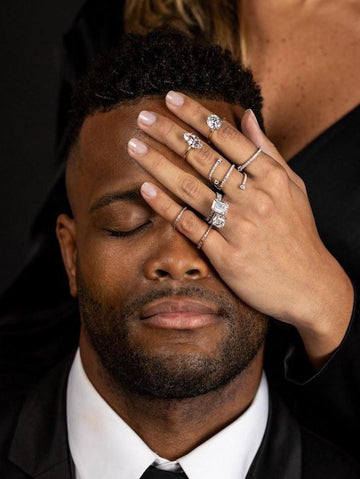

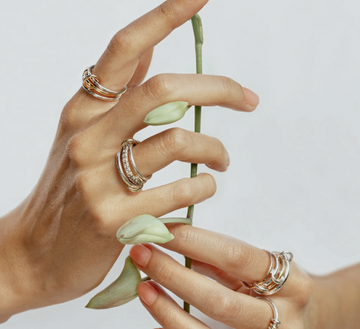


A one-of-a-kind piece begins long before metal is cast or a gemstone is set. At Kravit Jewelers, the process brings together your story, a jeweler's guidance, careful design development, and hands-on craftsmanship in the Oceanside showroom. The result is not simply an attractive piece, but a considered object made to feel personal today and remain meaningful for generations.
Custom jewelry design Long Island clients can trust is a collaborative process that moves from conversation and sketches to CAD renderings. Prototypes, casting, setting, and meticulous finishing, with practical decisions about comfort and durability shaping the beauty of the final piece.
Book a custom jewelry design consultation at Kravit Jewelers.
Whether you are imagining a new pendant, wedding band, personal gift, or a thoughtful redesign of an heirloom, the work starts by understanding what the piece should represent. That first conversation gives the design its direction and creates a clear foundation for every decision that follows.
Where Does Custom Jewelry Design on Long Island Begin?
A meaningful custom piece begins with a conversation, not a catalog. At Kravit Jewelers' Oceanside showroom, the first consultation is an opportunity to share what you hope the jewelry will represent. Whether you are planning a pendant for a milestone, creating wedding bands, redesigning an heirloom, or developing a piece that reflects your own style. Industry guidance recommends understanding the story and motivation behind a design before discussing settings or metal types, because those details help shape more personal decisions. Learn more about the consultation-led design process.
Bring the ideas that feel useful, but do not worry about having a finished concept. A photograph, a handwritten sketch, an existing piece, or even a description of what you do and do not wear can give the jeweler a place to begin. Your role is to describe the feeling, purpose, and practical needs. Our role is to help translate those ideas into a wearable design that can be treasured for years.
What to bring to your consultation
- Inspiration: Photos, sketches, saved designs, or examples of jewelry whose shape, texture, or scale appeals to you.
- Existing pieces: Heirloom jewelry, loose gemstones, or sentimental items you may want to redesign or incorporate.
- Your lifestyle: How often you expect to wear the piece, along with preferences about comfort, durability, and versatility.
- Your budget: A working range helps your jeweler recommend suitable materials and design directions without making unsupported promises about exact pricing.
Expect the meeting to be conversational. Open-ended questions such as "What does this piece represent?" or "Is there a milestone or story behind it?" can reveal the details that make a design feel truly personal. Custom jewelry commonly marks a milestone, honors someone important, or expresses individual style, so the emotional purpose matters as much as the visual brief.
Gemstones may help guide the next stage. A carefully selected group of stones can make preferences clearer without overwhelming you. Comparing a diamond with a sapphire, or a classic shape with a more distinctive color. Helps establish the character of the piece before its proportions and details are finalized. Throughout the process, your jeweler serves as a trusted guide, balancing your story and aesthetic preferences with comfort, wearability, and the realities of fine jewelry construction.
That personal, hands-on approach reflects Kravit's history as a family-owned jeweler serving Long Island since 1927. Discover our three-generation family story, then explore our custom jewelry design services to begin planning a piece with lasting meaning.
From Sketch to CAD: Turning Your Idea into a Digital Blueprint
A custom piece does not need to begin with a polished drawing. It may start with a quick sketch, a reference photograph, or even a napkin doodle that captures the feeling you want the finished jewelry to express. Your role is to bring the idea; the design team then develops it into a wearable, carefully considered form. This translation from concept to model is where imagination begins to meet precision.
What a CAD model shows you
Using computer-aided design software such as Rhinoceros or ZBrush, a jewelry designer can build the piece as a detailed three-dimensional model. CAD makes it possible to study proportion, scale, balance, negative space, and the relationship between the metal and gemstones before the piece moves into production. It also allows practical questions to be addressed early, including whether a shank feels substantial enough. Whether a setting will protect its stone, and how the piece will sit against the body. These engineering adjustments support comfort and durability rather than leaving them to chance. GIA's jewelry design technology program describes CAD as part of creating durable, comfortable jewelry that is built to last.
The digital model can then become a photorealistic rendering. Instead of trying to imagine the finished result from lines on a page. You can review how the design may look from different angles, assess its overall presence, and discuss thoughtful refinements with your jeweler. A rendering is not a substitute for craftsmanship or a promise of the final appearance, since metal, gemstones, and hand finishing each contribute their own character. It is a valuable visual guide that makes the approval conversation more informed before physical production begins. Photorealistic 3D renderings are a recognized part of modern jewelry design and visualization.
Digital sculpting can add another layer of artistry. ZBrush may be used to create a hand-sculpted look, preserving the organic character of carved curves. Textured surfaces, or softly irregular details while retaining the control of a digital model. That combination is especially useful when the goal is a piece that feels personal rather than purely geometric.
For a ring-specific example of how a concept develops through the design stages, read our guide to custom engagement rings in Oceanside. For pendants, wedding bands, redesigns, and heirloom-inspired pieces. The same collaborative principle applies: the blueprint should reflect your story while giving the maker enough information to create jewelry that can be worn and treasured for years.
Prototyping, Casting, and Setting: How Your Piece Is Built
Once the design has been refined digitally, it moves from the screen into a physical prototype. Computer-aided manufacturing can use a 3D printer to transform a CAD model into a wax or resin form. Giving you and the design team a chance to assess the piece as an object rather than an image. You can see how a pendant rests, how a band meets the hand, or how a statement design carries its visual weight before precious metal is committed. 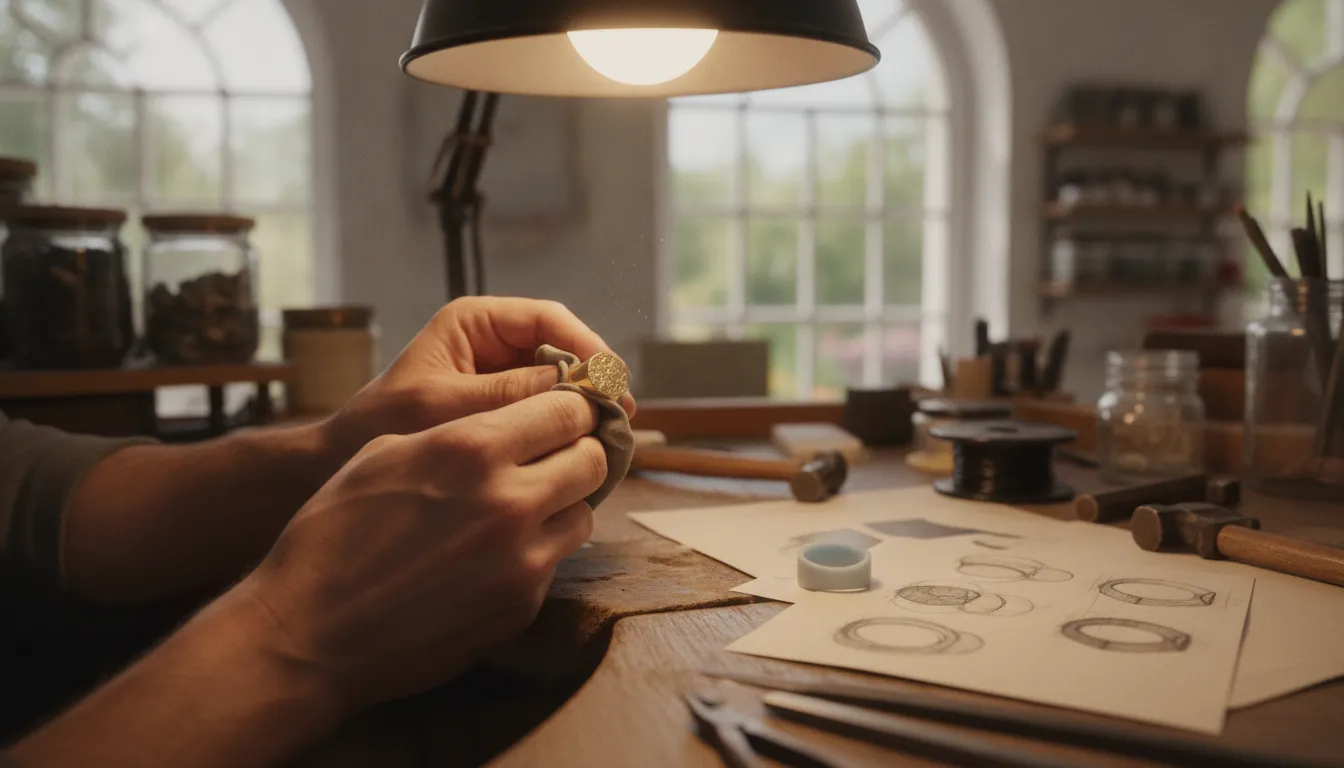 The use of prototypes in this stage is consistent with the CAD and CAM techniques described by the Gemological Institute of America (GIA).
The approval step
Before casting begins, the prototype and proposed details should be reviewed collaboratively. This approval stage allows practical questions to be answered while changes are still manageable: Does the scale feel right? Are the proportions elegant? Will the design accommodate the selected gemstone or heirloom element? A documented approval step separates the creative concept from the manufacturing commitment and gives the client a clear voice in the final result. Professional custom-design workflows commonly identify consultation, design approval, casting, and setting as distinct phases.
After approval, the manufacturing method is selected according to the design's structure, material, and intended wear. Casting can reproduce a carefully engineered model in precious metal, while other manufacturing approaches, such as die-striking, may suit different forms. Scale, proportion, element relationships, time, and manufacturing feasibility all matter when a concept becomes a wearable object. These are not compromises to the design; they are part of making its beauty enduring. The GIA identifies casting and die-striking as important considerations in jewelry manufacturing (GIA).
Stone setting follows the metalwork, with each gemstone positioned and secured according to the setting design. Before production, CAD engineering adjustments can improve comfort and durability, including how edges feel against the skin, how the piece balances, and how its structure supports daily wear. A successful custom piece is therefore both expressive and practical. It should preserve the character of the original idea while remaining comfortable, sound, and ready to become part of a personal collection.
Finishing and Quality Control in Our Oceanside Showroom
The final stage is where a promising design becomes a refined piece ready for everyday wear and future memories. At Kravit Jewelers, finishing takes place with the benefit of in-house expertise and the careful standards expected from a heritage jeweler serving Long Island since 1927. Our Swiss-trained craftspeople examine the completed work with both a maker's eye and a wearer's perspective.
The final quality inspection
Quality control is not limited to whether a piece looks beautiful under showroom lighting. The inspection considers the relationship between aesthetics and engineering. Texture, shape, balance, proportion, negative space, and surface finish should support the original design intention. While the construction must be comfortable, stable, and appropriate for how the piece will be worn. These are established considerations in professional jewelry design, where engineering decisions help create durable, comfortable pieces. GIA's jewelry design and technology standards likewise emphasize the connection between design concepts, manufacturing, and long-term wear.
Our team checks edges, settings, closures, connections, and the overall finish, looking for details that may be easy to miss in a digital rendering or photograph. The goal is not to alter the character of the design, but to ensure that its beauty is supported by sound craftsmanship. If an adjustment would improve comfort, security, or durability, it is addressed before the piece is presented.
That hands-on review is a meaningful advantage of an in-person custom experience. At the Oceanside showroom, the finished piece can be assessed in context, tried on when appropriate, and discussed directly with the people who guided its creation. We can consider how it sits, moves, layers with other jewelry, or functions as a daily heirloom rather than treating the handoff as a simple delivery.
At the final appointment, we review the piece with you, answer questions about wear and care, and explain any maintenance considerations relevant to its materials and design. Ongoing professional inspections, cleaning, and timely repairs can help protect its condition over the years. For a closer look at Kravit's consultation-based approach, visit our custom jewelry design service. The result is a one-of-a-kind piece completed with the same patience, precision, and personal attention that have defined our family-owned showroom for generations.
Is Custom Jewelry Design on Long Island or Ready-Made Right for You?
Both custom and ready-made jewelry can be meaningful choices. The right path depends on how closely you want the piece to reflect a personal vision, how soon you need it, and which practical considerations matter most. At Kravit Jewelers, our family-owned Oceanside showroom helps Long Island clients weigh those decisions with the benefit of hands-on guidance and heritage craftsmanship dating to 1927.
Compare the experience before you choose
| Consideration | Custom jewelry | Ready-made jewelry |
|---|---|---|
| Uniqueness | Developed around your ideas, selected materials, and desired details. Custom design can suit a pendant, engagement ring, statement piece, or another expression of individual style. | Offers an established design that can be selected from available styles and collections, making it easier to compare finished options. |
| Fit and personalization | Proportion, scale, comfort, and details can be discussed and refined for the wearer. Design engineering must also account for style, size, manufacturing methods, time, and cost. | Provides the convenience of trying on a completed piece. Sizing or other adjustments may personalize the fit without changing the overall design. |
| Heirloom meaning | Can incorporate an existing heirloom gemstone or transform an inherited piece into something newly wearable, preserving personal history while giving it a fresh purpose. | Can become an heirloom through the memories attached to it, particularly when chosen for a milestone or important gift. |
| Cost range | Varies according to materials, scale, complexity, gemstone choices, labor, and manufacturing requirements. A consultation is the appropriate way to discuss the possibilities. | Pricing is established for the finished design, which can make comparisons more straightforward. Materials, craftsmanship, and brand all influence the final cost. |
| Timeline | Requires time for consultation, design development, approvals, and production. The schedule depends on complexity and engineering requirements. | Can often be selected and taken home sooner, subject to the piece and showroom availability. |
Custom design is especially worth considering when a standard silhouette cannot capture the story, proportions, or symbolism you have in mind. It may also provide a thoughtful route for heirloom redesign, allowing old gems to take on a new life with guidance from designers and gemologists. The result is not simply different for the sake of being different. It is a piece shaped around the wearer and the occasion.
Ready-made jewelry, meanwhile, is not a lesser choice. It can be ideal when you have found a design that feels exactly right. Want to see the finished proportions in person, or are working toward a nearer-term celebration. If you are exploring an engagement ring, reviewing engagement ring setting styles can help clarify whether an existing design or a more personalized approach best suits you.
At Kravit, the decision begins with your priorities rather than a predetermined answer. Visit our Oceanside showroom to compare possibilities, discuss craftsmanship, and determine whether a ready-made piece or a custom creation is the better fit for your story.
How Long Does Custom Jewelry Design Take on Long Island?
Most custom jewelry projects take approximately two to six weeks from the initial consultation to the finished piece. That range is a planning guide rather than a guarantee. Published custom jewelry timelines commonly place many projects between two and six weeks, depending on the complexity of the design and its engineering requirements.
What can change the timeline?
A straightforward pendant or band may move through the process more quickly than a highly detailed, one-of-a-kind piece. Intricate details, unusual proportions, multiple stones, or a design that requires careful structural engineering can add time. The goal is not simply to make a beautiful concept, but to create jewelry that is comfortable, durable, and appropriate for regular wear.
Stone sourcing can also affect the schedule. If your design calls for a particular diamond, sapphire, or other gemstone. The selection process may take longer when the ideal shape, color, size, or quality needs to be located. Choosing from available options during the consultation can help establish a clearer path, while a rare or highly specific stone may require additional sourcing time.
CAD revisions are another important variable. Once the concept is translated into a digital model, you may review details such as scale, proportions, setting height, and overall profile. Thoughtful revisions before production are worthwhile because they help resolve comfort and durability considerations before the piece is cast. Each additional review or change can extend the schedule, especially when it affects the construction of the design.
If the jewelry is connected to a proposal, anniversary, wedding, milestone birthday, or another meaningful date, begin the conversation well in advance. Sharing the desired date at the first consultation gives the jeweler room to discuss the design direction, source materials, complete approvals, and allow time for final finishing. A few extra weeks of planning can make the experience feel considered rather than rushed, which is fitting for a piece intended to mark an important moment.
Request a custom design consultation to explore materials, timeline, and options.
Frequently Asked Questions
How long does custom jewelry design take?
Many custom projects take about two to six weeks, although the schedule depends on the design's complexity, stone sourcing, engineering needs, and the number of CAD revisions. A consultation can establish a realistic timeline around a proposal, anniversary, or other milestone.
What is the custom jewelry design process?
The process usually begins with a conversation about your story, preferences, and goals. From there, the design develops through sketches, CAD modeling and rendering, prototype review, casting, stone setting, finishing, and final quality checks. You remain part of the approval process as the concept becomes a wearable piece.
Can I use heirloom jewelry for custom design?
Yes. Existing jewelry or inherited gemstones can provide the starting point for a redesigned piece, such as a pendant, wedding band, or personal keepsake. The jeweler can discuss which elements may be suitable for reuse and how to create a new design that honors the original meaning.
How much does custom jewelry design cost on Long Island?
There is no single price for bespoke jewelry because cost varies with the materials, gemstones, scale, complexity, and manufacturing requirements. Kravit Jewelers discusses those factors during a consultation, then guides you toward an approach that fits the design vision and planned investment.
What is a CAD rendering in jewelry design?
A CAD rendering is a detailed digital model and visual preview of a proposed piece. It helps you understand the shape, proportions, and overall appearance before production, while allowing design adjustments for comfort, durability, and manufacturing feasibility.
Ready to Begin Your Custom Jewelry Design on Long Island?
A thoughtful consultation gives your ideas room to develop into a piece that reflects your story. Style, and the way you hope to wear it for years to come. To book a custom jewelry design consultation at Kravit Jewelers, explore the custom jewelry design service and take the next step toward a considered, one-of-a-kind creation.


