
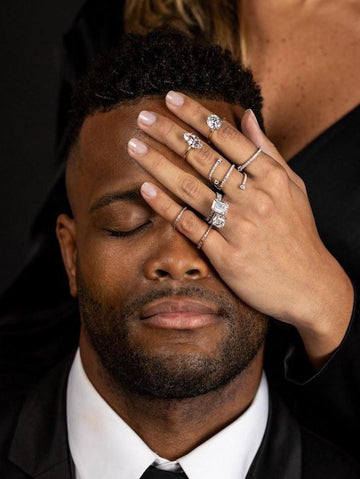

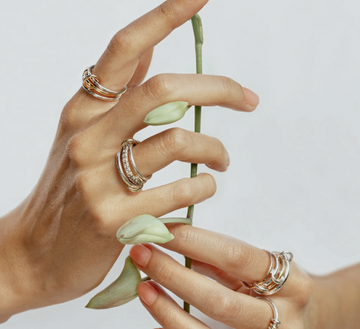


Choosing a ring becomes much easier when you can name the details you are drawn to. The center stone shape, setting, band silhouette, and overall proportions all contribute to the look, so a saved photo is only the beginning of the conversation.
Ring styles are commonly grouped as classic solitaires, halo and three-stone designs, protective bezel settings, and band-focused looks such as pavé, channel, split-shank, and twisted rings. The shape of the center stone and the setting work together. While a one-on-one consultation can help translate your preferences into a ring that suits your taste, hand, and lifestyle.
Start by getting familiar with the enduring designs that form the foundation of today's ring vocabulary. Once you know what makes each one distinctive, it is easier to compare modern details or describe a custom idea with confidence.
Book a ring styles consultation
Classic Ring Styles That Never Go Out of Style
Some ring styles remain enduring choices because they give the center stone room to speak while offering a graceful foundation for everyday wear. Their appeal is not tied to a passing trend. Instead, each design has a clear structure, a distinct balance of light and metal, and a history of looking beautiful through changing tastes.
Classic does not mean limited. The same silhouette can feel delicate, architectural, romantic, or quietly modern depending on the diamond shape, metal, band profile, and setting details. Understanding the differences helps you describe what you love when you visit a jeweler or begin a custom design conversation.
The solitaire: a single stone with lasting presence
A solitaire features one center stone secured in a prong head. With no sidestones competing for attention, the design draws the eye directly to the diamond's shape, proportions, and sparkle. The prongs lift the stone and allow light to enter from several angles, creating the clean, iconic look associated with this setting.
Prong count changes both the appearance and the feel of a solitaire. A four-prong setting exposes more of the diamond, which can make the center stone appear especially open and bright. A six-prong setting generally offers enhanced security by adding another point of support. The Gemological Institute of America explains how four- and six-prong settings differ, making this a useful detail to discuss before choosing a ring.
The choice is personal, and it can also depend on the diamond's shape. A round stone may suit either option, while a pointed shape may benefit from prongs positioned to protect its corners. A jeweler can help you compare both profiles on your hand.
The three-stone ring: a meaningful arrangement
Three-stone designs place a center stone between two side stones. Traditionally, the three diamonds represent the past, present, and future. The center stone is typically larger than the two surrounding stones, creating a natural focal point while preserving a balanced outline.
This style offers more visual presence than a solitaire without losing its sense of order. Matching stones create a coordinated look, while variations in shape or proportion can make the design feel more individual. Three-stone rings can also mark an engagement, anniversary, or another meaningful milestone.
Channel and bar-channel sidestones
Sidestones set into the band can add steady sparkle along the ring's shoulders. In a channel setting, the stones sit flush between strips of metal. This structure helps protect their edges and creates a smooth surface that feels refined and practical.
A bar-channel setting separates neighboring stones with small vertical bars. The openings allow more light to reach the sidestones, giving the band a brighter, more defined appearance. Both approaches can complement a solitaire or three-stone center, depending on how much sparkle and texture you want around the hand.
To compare these details in person, explore Kravit's different ring styles or speak with the team in Oceanside. Seeing prongs, sidestones, and band profiles together often makes the right direction clear.
Modern Ring Styles for Today's Shopper
Modern ring styles offer room to express personality without abandoning comfort or craftsmanship. Some feel refined and architectural, while others bring movement, texture, or a more fashion-forward presence. The most useful way to compare them is to look at the silhouette, the setting, and the shape of the center stone together.
Bezel settings for a clean, protected profile
A bezel setting surrounds the stone with a rim of metal. Its smooth outline gives the ring a polished, contemporary appearance and can help protect the stone's edges during everyday wear. Bezel rings often appeal to shoppers who prefer a low-profile design with fewer exposed prongs. They can also suit someone who wants a streamlined look that feels distinctive without being ornate.
The final effect depends on the stone shape and the metal chosen. A round stone can look especially crisp in a bezel, while an elongated oval or emerald shape creates a more directional silhouette. Because the setting and shape work together, a jeweler can help you compare proportions on your hand rather than relying on a photograph alone.
Split-shank and twisted bands that create movement
A split-shank ring divides as it approaches the center stone, creating visual space around the setting. This design can make the center appear more prominent while adding a graceful, sculptural line to the band. Some split-shank rings are understated, with two slender arms, while others use pavé detailing for additional sparkle.
Twisted bands take a similar interest in movement. The metal curves or crosses as it leads toward the center, producing a sense of flow. A twisted design may feel romantic, artistic, or architectural depending on its width and finish. These silhouettes are helpful for shoppers who want something more individual than a straight band, but still want a design that remains easy to wear.
Pavé details for continuous sparkle
Pavé describes small stones set closely across the surface of a band or design element. The result is a bright, continuous line that can emphasize the center setting or carry sparkle around more of the finger. Pavé may be paired with a solitaire, bezel, halo, split-shank, or twisted silhouette.
When considering pavé, look beyond the sparkle. Think about how the texture feels against neighboring fingers and how the ring will coordinate with a wedding band or other jewelry. A consultation can help you compare a delicate pavé band with a stronger, more substantial version.
Fashion rings for personal expression
Fashion rings are not limited to one engagement or bridal formula. They can feature bold color, unusual proportions, mixed metals, sculptural bands, or a distinctive arrangement of stones. A bypass style, for example, uses two ends that curve around one another without meeting in a traditional center. A tension-style design creates a modern impression by holding the stone between opposing sections of metal.
These terms are useful starting points, not strict categories. A ring can combine a bezel setting with a twisted band, or pair a pavé split-shank with a colored gemstone. Browse contemporary ring styles and notice which silhouettes consistently catch your eye. Bring those observations to a jeweler. The right vocabulary makes it easier to turn an appealing detail into a ring that feels considered, comfortable, and distinctly yours.
What Are the Main Types of Rings?
There is no single official list of ring categories. Jewelers usually group rings by their overall silhouette, the way the stones are set, and the role the ring plays in a stack or wardrobe. That is why the same ring may be described with more than one term. A halo ring, for example, can also have a pavé band, while a three-stone ring may use a cathedral or split-shank design.
For a useful starting point, think of four broad families. These groupings make it easier to compare proportions and understand what you like before choosing a metal, center-stone shape, or detailed finish.
| Family | What defines it | Look and considerations |
|---|---|---|
| Solitaire | One prominent center stone, usually held by prongs or another focused setting. | Clean, classic, and centered on the beauty of one stone. Prong count changes the balance between visibility and security. |
| Side-stone or three-stone | Smaller stones sit beside a center stone, or three principal stones share the design. | Creates more side-to-side sparkle and visual meaning. The proportions of the stones determine whether the look feels bold or quietly balanced. |
| Halo | A border of smaller stones surrounds the center stone. | Frames the center and adds a detailed outline. The halo may be delicate, floral, geometric, or paired with a decorated band. |
| Band styles | The band carries much of the design, with pavé, channel, or tension details among the common options. | Works alone or alongside another ring. Pavé gives a continuous sparkling surface, channel-set stones sit flush between metal rails, and tension styles create an open, contemporary effect. |
How the families can overlap
These categories describe the main visual structure, not every detail. A solitaire can have a plain band, pavé shoulders, or a twisted shank. A three-stone ring can feature an oval center with pear-shaped side stones. A halo can be low-profile for a subtle frame or more sculptural for a dramatic presence. The center shape also changes the impression: an elongated oval or emerald shape reads differently from a round or cushion shape, even when the setting is similar.
Band terminology is especially useful when comparing wedding and stackable designs. Explore band and setting guidance to see how these elements can work together without treating the rings as separate decisions.
When describing a ring to a jeweler, begin with the broad family, then add the stone shape, metal, band treatment, and desired profile. Describing a low-profile halo with an oval center and a pavé band is far more useful than simply calling a ring pretty.
Browse classic and modern ring styles
How to Choose a Ring Style That Fits Your Life
The right ring should feel beautiful in a photograph and natural on your hand. A style that suits your daily routine, wardrobe, and personal taste will remain meaningful long after the first impression. Remember that a ring's overall look comes from several choices working together. The silhouette and setting create the structure, while the center shape, metal, and band details refine the personality.
-
Start with the look you love
Begin with instinct rather than terminology. Save a few images that catch your eye and look for patterns. Do you prefer clean and timeless, softly romantic, vintage-inspired, or sculptural and modern? Notice the profile, the height of the center, the amount of metal, and the way the band looks from above. You do not need to know the correct name yet. Your references will help a jeweler understand the feeling you want.
-
Pick a center shape
The diamond or gemstone shape has a strong effect on the ring's character. Round shapes offer a classic look, while oval shapes can feel graceful and elongated. Princess, cushion, and emerald shapes create different impressions through their outlines and facet patterns. Consider the proportions you like on your hand, not only how a stone looks in a display case. If you are still comparing options, explore these diamond ring styles with an experienced jeweler who can show how shape and scale work together.
-
Choose a setting that protects and flatters it
A setting holds the center stone and helps define the finished silhouette. Prongs allow light to reach the stone and can create a delicate, traditional appearance. A bezel surrounds the edge of the stone with metal and offers a streamlined profile. Halo, cathedral, pavé, and split-shank designs each add their own balance of presence, detail, and structure. Think about the shape and setting as a pair. The same center shape can look understated in one setting and more ornate in another.
-
Consider your hand and lifestyle
Look at how the ring fits your finger and how it will move through your day. A lower profile may be more comfortable if you work with your hands or wear gloves often. Secure, well-finished details matter for an active routine, while a larger silhouette may suit someone who enjoys a more dramatic look. Finger length, knuckle shape, and the rings you already wear can also influence the proportions that feel most natural. The goal is not to follow a rule. It is to find a design that feels balanced and practical for you.
-
Try on styles in person
Pictures are useful for discovering ideas, but trying on different rings reveals details a screen cannot show. Compare shapes, settings, metal colors, and band widths side by side. Notice whether the ring feels comfortable, catches on clothing, or sits well beside a wedding band. At Kravit Jewelers, a one-on-one showroom consultation gives you the opportunity to test these differences with personal guidance. The team can translate a saved image or a general preference into ring styles that suit your hand and priorities.
-
Set a budget that includes comfort
Start with a comfortable spending range, then discuss which design choices have the greatest visual impact within it. A consultation can help you compare center sizes, settings, metals, and details without assuming that one style is right for everyone. Leave room for the practical experience of wearing the ring, including its weight, height, fit, and future pairing needs. A thoughtful choice should feel satisfying both aesthetically and financially.
From Inspiration to Reality: Custom Ring Styles
A custom ring often begins with something simple: a saved photograph, a sketch, a meaningful heirloom, or a feeling you want the finished piece to express. You may admire the clean lines of a solitaire but prefer a sculpted band. Perhaps you like a vintage detail, a distinctive side profile, or a setting that feels entirely personal. You do not need to arrive with the perfect vocabulary. A thoughtful consultation helps turn an early idea into a ring that feels considered, wearable, and uniquely yours.
At Kravit Jewelers, custom design is a collaborative, multi-step process. In an individual consultation, you can discuss the elements that appeal to you, the way you live, and the details you want the ring to convey. The conversation may cover the center stone, setting, metal, band profile, proportions, and any personal details you would like incorporated. Shape and setting work together to create the final look, so exploring them side by side can reveal possibilities that are difficult to picture from a single photograph.
Start with the details that matter to you
Bring inspiration if you have it, but do not feel limited by one example. A jeweler can help separate the features you love from the features that may not suit your hand or daily routine. You might prefer the openness of a classic setting, the presence of a halo, the protection of a bezel, or the movement of a twisted or split-shank band. These ideas can be refined into a cohesive design rather than copied exactly.
The consultation is also a chance to consider practical questions. How should the ring feel when worn? Should the band sit comfortably beside a wedding band? Would a lower profile make sense for your routine? Which details deserve emphasis, and which should remain subtle? There is no single correct answer. The goal is to create a design that balances beauty, comfort, and personal meaning.
See the design before it is produced
Kravit's in-house GIA Graduate Gemologists guide the process with an informed eye for proportion, stone quality, and overall harmony. Once the direction is established, CAD previews allow you to visualize the ring before it is produced. Seeing the design from different angles makes it easier to assess the profile. The relationship between the center stone and band, and the way decorative details affect the finished silhouette.
Those previews also make refinement part of the experience. You can respond to what you see, ask questions, and adjust the design as it develops. This iterative process provides a clearer path from inspiration to a one-of-a-kind ring, while keeping your preferences at the center of each decision. Details and production considerations vary by project, so the best next step is a personal conversation rather than an assumption about what a design will require.
To explore the possibilities, visit Kravit's custom engagement ring styles or learn more about custom jewelry design. A consultation in the Oceanside showroom can help you describe what you want, discover what suits you, and see your idea take shape.
How to Describe the Ring You Want: A Style Glossary
When you speak with a jeweler, a few precise terms can turn a general idea into a clear design direction. Ring names usually describe the setting, band silhouette, or center-stone shape. These elements work together, so you can combine them to create a look that feels entirely your own.
For example, you might want an oval center in a cathedral setting with a pavé band. Or you may prefer a round center in a bezel setting with a clean, unadorned shank. Use the glossary below as a starting point, then bring a favorite photo or two to your consultation.
Setting: How the Center Stone Is Held
- Solitaire: A single center stone is the focus of the ring. It offers a classic, uncluttered look and lets the center shape lead the design.
- Halo: A border of smaller stones surrounds the center. This creates a more detailed frame and adds visual presence around the main stone.
- Bezel: A metal rim surrounds the stone's edge. This streamlined style has a contemporary appearance and gives the center a defined outline.
- Cathedral: Raised shoulders curve upward toward the center stone. The profile adds architectural detail while creating an elevated, graceful presentation.
Band and Silhouette: The Ring's Overall Line
- Pavé: Small stones are set closely along the band. The surface appears gently covered in sparkle while the metal framework remains refined.
- Split-shank: The band divides into two flowing lines as it approaches the center. This adds width and creates an open, sculptural appearance.
- Twisted: The band follows a graceful spiral or crossing motion. It can suggest movement and romance without relying on a traditional straight shank.
- Bypass: Two sections of the ring curve around the center without meeting in a simple parallel line. The result feels artistic and distinctive.
- Tension: The stone appears suspended between the band sections. This modern construction creates a clean profile and a striking sense of openness.
- Channel: Small stones sit within a continuous groove in the band. The setting keeps them flush with the metal for a smooth, polished finish.
Shape: The Outline of the Center Stone
- Round: A balanced, circular outline with traditional brilliance and broad versatility.
- Oval: An elongated outline with soft curves. It can create a graceful, lengthening effect on the finger.
- Princess: A square or rectangular outline with crisp corners. Its geometric character suits clean, contemporary designs.
- Cushion: A square or rectangular shape with softened corners. It combines a romantic outline with a substantial presence.
- Emerald: A rectangular outline with stepped facets. Its understated look emphasizes clarity, clean lines, and elegant proportion.
Try describing your preference in three parts: shape, setting, and band. You can also explore popular ring styles in the wedding band collection to compare different band details. The right vocabulary helps your jeweler understand the feeling you want, not just the features you notice.
Book a ring styles consultation
Frequently Asked Questions
What styles of rings are there?
Ring styles are commonly described by silhouette and setting. Familiar choices include solitaire, halo, three-stone, bezel, cathedral, pavé, split-shank, twisted, bypass, and fashion rings. The center-stone shape, such as round, oval, princess, cushion, or emerald, works with the setting to create the finished look.
What are the four main types of rings?
A useful starting point is to group rings as solitaire, side-stone or three-stone, halo, and band styles. A solitaire centers on one stone, while side-stone and three-stone designs add stones beside it. A halo surrounds the center with smaller stones, and pavé or channel bands create a continuous line of sparkle.
How do I choose a ring style?
Begin with the look you love and how you use your hands every day. Then consider the center shape, the setting's protection and visibility, the band profile, and your budget. Trying on several designs can clarify which proportions feel comfortable and natural.
How can I describe the ring I want to a jeweler?
Bring a photo or describe three elements: the center-stone shape, the setting, and the band silhouette. For example, you might ask about an oval stone in a halo setting with a pavé band, or a round solitaire with a cathedral shank. These terms give your jeweler a clear starting point.
What is a custom ring design consultation like?
At Kravit Jewelers, custom design is a collaborative, multi-step process guided by in-house GIA Graduate Gemologists. CAD previews help you visualize the proposed ring before it is produced, making it easier to refine the details and confirm that the design reflects your taste.
Ready to Explore Your Ring Style?
Once you know which details speak to you, the next step is seeing how they come together on your hand. Browse different ring styles for inspiration, or bring your ideas to a one-on-one consultation and begin shaping a design that feels personal to you. Kravit Jewelers can help you refine the silhouette, setting, and finishing details at a comfortable pace.


