
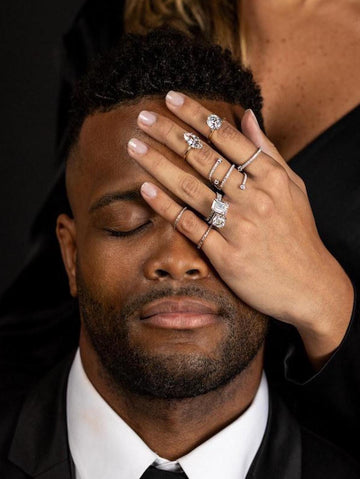

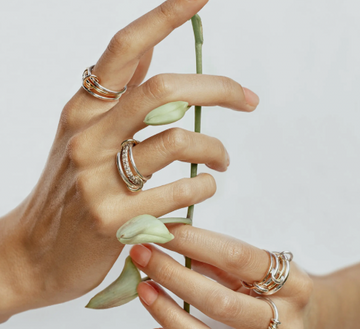


Unique jewelry redesign ideas can help a family heirloom feel natural to wear today while honoring the memories it carries. Perhaps a ring sits unworn because its setting feels dated, or a collection of small stones has been kept in a box for years. The most thoughtful redesign starts by deciding what matters most: a particular gem, a recognizable detail, the original material, or simply the story behind the piece.
What should you decide before redesigning an heirloom?
Before looking at sketches, consider the role the new piece should play. Is it for everyday wear, an anniversary, a family celebration, or a gift to someone who will carry the story forward? The answer can guide the shape, scale, and level of detail. A ring intended for frequent wear may call for a different profile from a pendant reserved for special occasions.
Write down your priorities in order. For example, keeping the center stone might be essential, while changing the metal color could be an option. Another person may want to preserve the look of a distinctive old setting but is open to a new stone arrangement. Separate must-keep details from would-be-lovely details; that simple distinction gives a design conversation direction without locking you into one finished concept.
- Choose what carries the meaning: a gemstone, an engraving, a motif, a material, or the memory of the person who wore it.
- Picture the wearer: consider the jewelry they already choose, their comfort preferences, and when they expect to wear the new piece.
- Gather context: photographs, family stories, and any existing paperwork can help explain why a detail matters.
- Stay open to assessment: the condition and suitability of each component need to be reviewed before reuse can be confirmed.
This preparation is especially useful when several relatives have a connection to the heirloom. Agree on who will make design decisions and which elements should remain recognizable. That conversation can prevent a meaningful detail from getting lost as the new design takes shape.
How can an heirloom ring take on a new character?
A ring redesign can keep a significant center stone while changing the setting, proportions, or surrounding details. A traditional silhouette might become cleaner and more understated. A ring that feels too formal for regular wear might inspire a lower profile or a simpler outline. These are starting points for discussion, not assurances that a particular stone can be fitted into any new setting.
Think about the ring from above and from the side. The outline may feel balanced in a photograph but sit differently on the hand. A lower setting can appeal to someone who prefers a closer fit, while an elevated design makes the center stone more prominent. Ask how the proposed height, shape, and band width might work with the wearer’s routine, and whether the design can sit comfortably alongside a band.
If the heirloom is part of a bridal story, it can also inform a new engagement ring or a complementary band. Browse engagement ring styles for ideas about silhouette, and consider how a wedding band selection might sit beside the redesigned piece. Reference images can help clarify the feeling you like, even if the final design is entirely personal.
Could a gemstone become a pendant or another kind of keepsake?
A pendant can be a thoughtful alternative when the intended wearer rarely wears rings. One larger gem can serve as the focal point, while several smaller stones might be arranged in a balanced cluster if their condition and proportions allow. Consider how the pendant will hang, where it should sit, and whether its size feels appropriate for everyday wear or for a special occasion.
A locket-inspired direction can preserve a personal connection in a different way. The family may prefer a pendant that holds a photograph or another small keepsake rather than using the heirloom’s stones. Explore locket designs as a reference for this kind of intimate, story-led jewelry. The goal is not to copy an existing piece exactly, but to identify the detail that makes it meaningful to its next wearer.
Other formats may suit the materials and the person better. A small stone might be considered as an accent in a bracelet or a pair of earrings, while a pendant may use the original gem as its central feature. A design conversation can help weigh these possibilities against comfort, appearance, and the condition of the materials. Avoid deciding that a stone belongs in a particular format before it has been assessed.
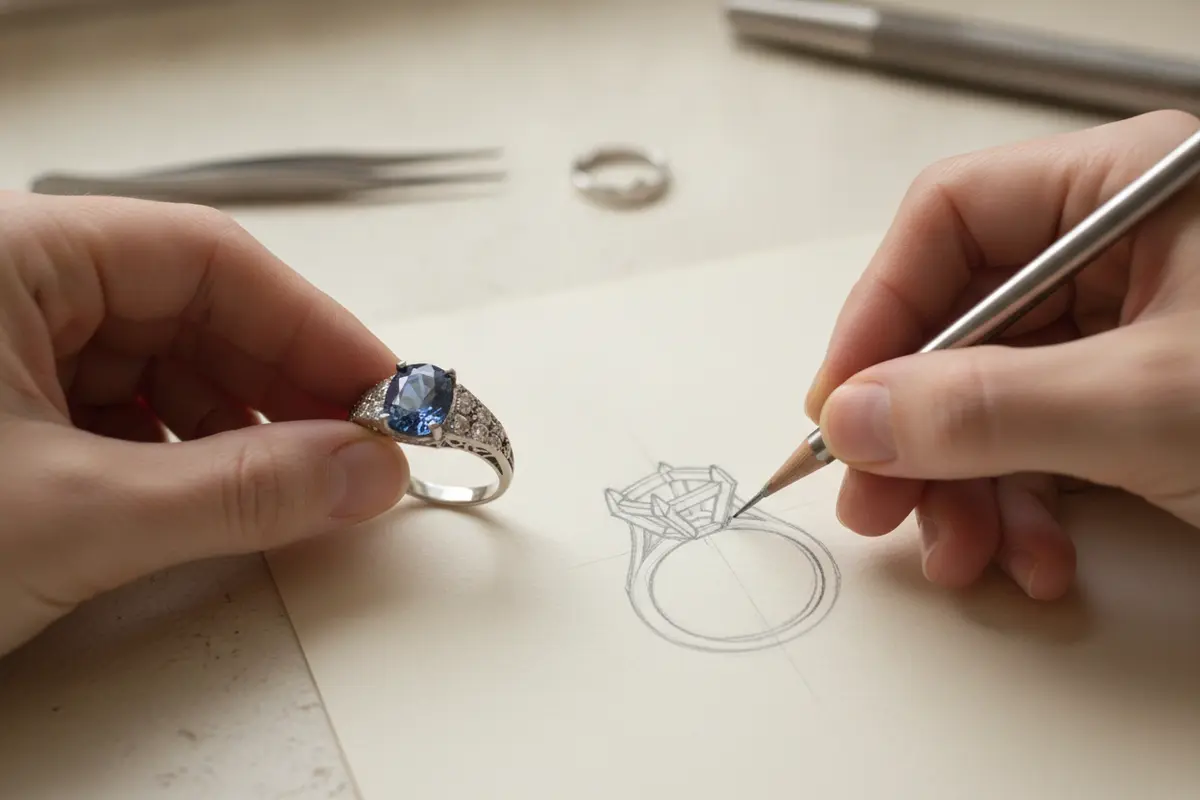
How can several unworn pieces inspire one design?
When a family has more than one unworn piece, it may be possible to develop a single design idea from their shared details. Two small stones could be considered as accents, or a repeated shape from separate pieces might become a motif in a new ring or pendant. Another thoughtful choice is to redesign one item while keeping another intact, preserving a tangible link to the original collection.
Combining materials takes careful judgment. Stones may differ in size, color, cut, or condition, and their individual settings may not work in a new arrangement. A group of meaningful elements does not always need to be placed together to tell a coherent story. Sometimes a design that uses one focal stone and echoes the other pieces through shape or engraving feels more balanced.
There is also room to draw inspiration from an heirloom without altering it. A family can keep the original piece as it is and create a separate design that reflects its outline, era, or personal significance. This route may be appealing if relatives want the heirloom to remain untouched or if an assessment suggests that its components are not suited to the intended design.
Which redesign direction may suit your priorities?
Use the comparison below to organize possibilities before a jeweler reviews the piece. It is a planning tool rather than a promise that a particular stone, setting, or material can be reused.
| Direction | What you might preserve | May suit someone who | Question to discuss |
|---|---|---|---|
| Updated ring | A focal gemstone or a recognizable detail | Enjoys wearing rings and wants a changed silhouette | Can the stone and proposed setting work together appropriately? |
| New pendant | One central gem or a group of smaller stones | Prefers necklaces to rings | What scale and hanging style would feel comfortable? |
| Coordinated pieces | A shared motif or several assessed stones | Wants to mark a family occasion or share the story | Can each piece feel balanced and wearable on its own? |
| Inspired-by design | The heirloom’s shape, story, or visual character | Wants to keep the original intact | Which feature carries the strongest personal meaning? |
To choose among these directions, imagine the finished piece in the wearer’s actual week. A ring may be meaningful but impractical if the person prefers jewelry that does not catch on clothing. A pendant may feel easy to wear, but its size and chain should suit the wearer’s usual neckline and movement. A coordinated set can honor several relatives, yet each piece should still make sense on its own. These practical details help narrow the design without reducing the sentimental value to a style decision.
It can also help to sketch a simple keep, change, and consider list. Under keep, note non-negotiable elements, such as one stone or a specific engraving. Under change, record details you are ready to leave behind, such as an ornate profile or an uncomfortable fit. Under consider, collect open questions, including whether several small stones could work together or whether an original detail could be represented in a new way. Take the list to the consultation and revise it as you learn what is feasible.
What should you ask during a custom redesign consultation?
A useful consultation turns a broad idea into specific questions that can be assessed. Bring the jewelry in its current condition rather than trying to clean, repair, or alter it at home. If you have photographs of it being worn, include them; they can show its original scale and how it looked in context.
- What can you tell me about the condition of each gemstone and setting?
- Which parts may be suitable for reuse, and which would need to be newly made?
- Could another design preserve the same sentimental detail?
- How might the suggested shape and setting fit the intended wearer’s routine?
- What choices would I need to make before a design is finalized?
- How will I review the proposed design and project details before work proceeds?
Answers depend on the individual piece and the direction under consideration. A visual impression alone may not reveal whether a stone or setting is appropriate for a new use. Ask for the reasoning behind the options, and be comfortable revisiting the idea if the initial plan does not fit the heirloom or the wearer.
For general background while preparing questions, the Gemological Institute of America’s consumer education resources offer information about gems and jewelry. That background can help you frame questions, but it does not replace an assessment of your particular piece.
How can you prepare a family piece for discussion?
A little organization can make a custom design conversation more productive. Keep the jewelry and any related components together. Note which details are sentimental, which are practical, and which are flexible. If several people are involved, decide who will attend the discussion and how the family will make choices if opinions differ.
- Photograph each item. Take clear pictures from several angles, including any engraving, hallmark, or detail you hope to retain.
- Make a priority list. Label each point essential, preferred, or open to discussion. Keeping one gemstone may be essential, while changing its setting may be welcome.
- Describe the intended use. Explain whether the piece is for frequent wear, a milestone, or a gift, and who will wear it.
- Bring the story. Share who owned the jewelry and what makes it meaningful. The reason behind a detail can matter as much as the detail itself.
- Ask before assuming. Find out what can be reused after assessment and what alternatives are available if a component is not suitable.
It can also help to notice what the wearer already enjoys. Do they reach for delicate pieces, bold shapes, or jewelry with minimal ornament? Browsing fine jewelry styles may help you describe preferred proportions and finishes. Treat those examples as visual references, not a requirement to follow a particular trend.
For a ring concept, consider saving a few images that show different features rather than one finished design you expect to reproduce. One image might show a low profile, another a band shape, and a third a setting detail. This makes it easier to discuss what you like about each and adapt the combination to the heirloom and its wearer.
When sharing references, explain what caught your attention. The words I like the clean outline are more useful than asking for an exact copy when the heirloom’s stone may have different proportions. Likewise, a photo of a piece worn on the hand can communicate scale better than a close-up alone. If the new jewelry is a gift, discreetly learn what the recipient actually wears; a thoughtful design should reflect their habits as well as the family story.
Keep expectations flexible until the material has been examined and design options have been discussed. You may discover that preserving the original metal is important to you, or that the stone is the only element you need to carry forward. Either realization can lead to a coherent design. The purpose of preparation is to make your priorities clear, not to predetermine the technical solution.
Explore custom design possibilities
Frequently asked questions about unique jewelry redesign ideas
Can every gemstone from an heirloom be reused?
No. Whether a gemstone is suitable depends on its condition and the proposed design. Have it assessed before planning around its reuse.
Can an original setting be adapted for a new piece?
It may be possible in some cases, but condition and design compatibility matter. Ask a jeweler to review the setting and explain the options before assuming it can be retained.
What if I want to preserve the heirloom as it is?
You can keep the original intact and use its shape, details, or story as inspiration for a separate custom piece. The new design does not have to use the original stones or metal.
Do I need to arrive with a finished design?
No. A clear sense of what matters, a few reference images, and questions about the wearer are useful starting points. The design can be explored after the materials and your priorities are discussed.
What is a thoughtful next step?
A meaningful redesign begins with the story you want to carry forward, then makes room for an expert assessment of the jewelry itself. Gather the pieces, note what you hope to preserve, and explore possible directions with a custom design consultation.


