



Learning how to choose meaningful jewelry starts with the person who will wear it. A gift can mark a milestone, carry a private memory, or simply become part of someone’s daily style. Begin with the meaning you hope to express, then look at the recipient’s preferences and habits before choosing a piece.
What makes a jewelry gift feel meaningful?
A piece feels meaningful when it connects to the recipient in a way that is specific and sincere. That connection might be the occasion, a shared experience, a favorite color, or a design detail that reflects the person’s taste. The piece does not need to tell its story to everyone. It should feel right to the person receiving it.
Separate what you want to say from what you want to buy. “I’m proud of you,” “I remember that trip,” and “I notice what you love to wear” are different messages. Naming the message first helps narrow the choices. A delicate pendant may suit a quiet everyday reminder, while a more distinctive design may feel right for a major celebration.
Meaning also does not depend on price or elaborate personalization. A simple piece chosen with care can carry more significance than a grand gesture that does not suit the wearer. Consider what the recipient will recognize in the choice: a familiar shape, a useful style, or a small detail connected to a shared memory.
How should the occasion guide the choice?
Think about what the gift is meant to acknowledge, then use the occasion to set its tone. An anniversary may invite a shared reference; a graduation may call for a reminder of a new chapter. A birthday can be a chance to choose a color or silhouette the recipient enjoys. These are prompts, not fixed rules.
- For an anniversary: Look for a piece connected to a shared place, memory, or style the recipient has admired.
- For a graduation or new chapter: Consider something versatile that can accompany changing routines.
- For a birthday: Use the recipient’s favorite colors, shapes, or everyday choices as a guide.
- For a family milestone: A small symbol or initial can suggest a connection without making the design feel overly literal.
Do not let tradition override the recipient’s taste. If a customary type of gift does not suit them, choose another form and explain your thinking in a note. The meaning comes from the connection between the person, the moment, and the piece—not from following a formula.
How can you read the recipient’s style?
Notice what the person wears in ordinary life. Do they choose delicate pieces or bold shapes? Do they wear one metal color most often, or mix tones? Are their earrings small and close to the ear, or do they enjoy longer silhouettes? These clues can make a gift feel considered and help you avoid choosing something that feels unfamiliar.
Look for a pattern across more than one outfit. Someone may wear a statement piece for an event but favor simple jewelry during the week. Notice whether the person keeps jewelry on through a busy day, changes accessories often, or reaches repeatedly for a few familiar favorites. The pattern may suggest whether to choose an everyday piece or something reserved for special occasions.
Also consider what is missing from the person’s usual rotation. A gift does not need to duplicate an item they already own. It can complement a familiar look with a different texture or offer a new option for a particular occasion. Browse necklace chains or locket styles as examples of distinct directions, while keeping the recipient’s own preferences at the center.
If you are unsure, ask someone who knows the recipient well. Another approach is to ask the recipient a broad question about favorite metals or the pieces they wear most, without revealing the specific gift. One useful clue is better than several guesses about size, color, and style at once.
Which personal details can give jewelry a story?
A personal detail can add a private layer of meaning. Consider an initial, a meaningful number, a motif associated with a shared experience, or a gemstone color the recipient loves. The symbol does not need to be obvious to others. Sometimes the smallest detail is the one that makes the gift feel distinctly theirs.
Before choosing a motif, consider how the recipient relates to it. A design that feels heartfelt to one person may seem too literal or ornate to another. Ask whether the reference belongs in the visible design or might work better as a discreet detail. The goal is to honor the connection while respecting the wearer’s style.
Personalization is optional, not a requirement for a thoughtful gift. A ready-made piece may already reflect the person’s taste or the moment you want to recognize. If you have a clear idea that is difficult to find, explore custom ring design and consider whether a ring is the right format for the story.
How does lifestyle affect the best choice?
Think about where and how the jewelry may be worn. Someone who prefers understated workday accessories may reach for a simple pendant or small earrings more often than a dramatic piece. A person who enjoys dressing for evenings and celebrations may appreciate a design with more presence. These observations are clues, not limits; the wearer should feel comfortable and like themselves.
Consider practical details alongside appearance. For a ring, fit matters; if you do not know the recipient’s size, avoid relying on a guess. Ask someone close to them or seek guidance before choosing, and find out whether the particular design can be adjusted. A design with delicate details or a gemstone setting may have care considerations worth asking about before purchase.
Think about frequency of wear. A piece intended for regular use should work with the recipient’s routine and be comfortable to put on and take off. A special-occasion piece can be more expressive, provided it still feels like something the wearer would choose. Ask about care recommendations for the specific piece and include them with the gift if they are useful.
For a recipient whose style changes with the occasion, choose something that complements pieces they already own without trying to match every outfit. A flexible design may be more useful than a very specific one. If color or symbolism is important, let that detail carry the personal meaning while keeping the overall silhouette familiar.
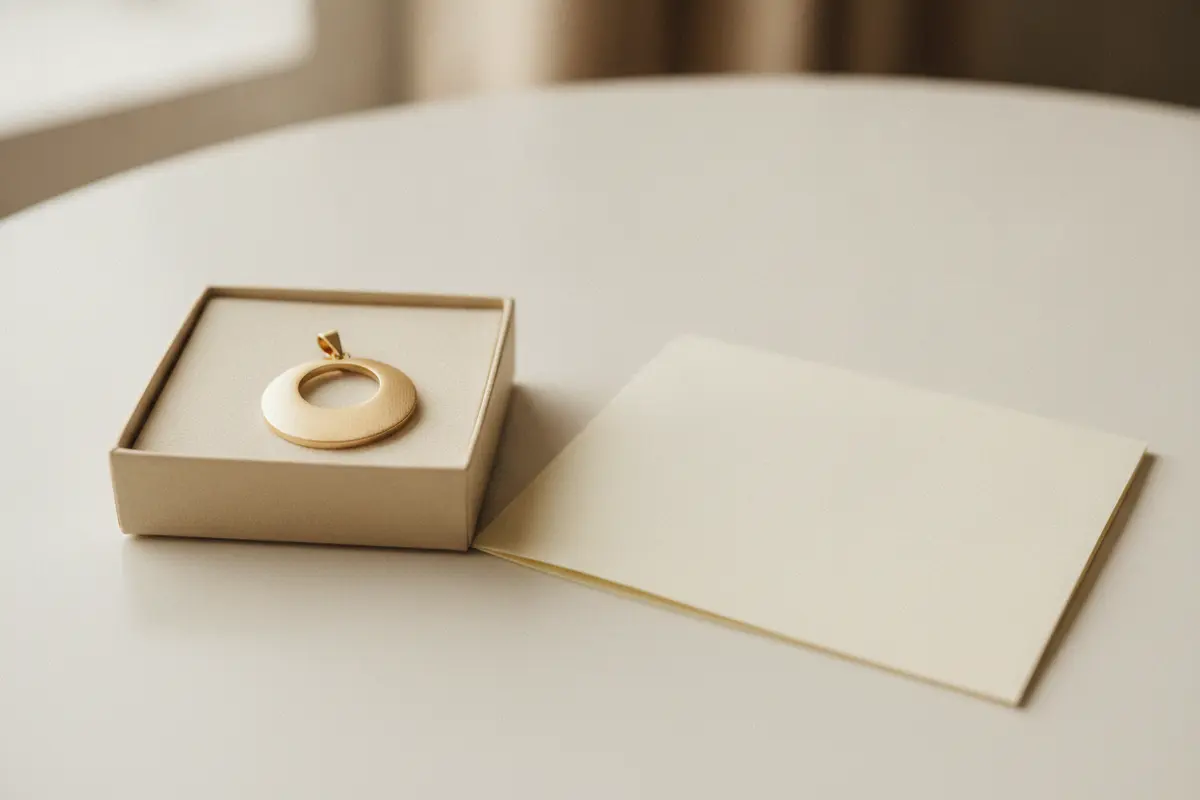
Explore meaningful locket styles
How do you balance sentiment with budget?
Set a comfortable budget before browsing. A higher price does not automatically make a gift more meaningful, and a thoughtful choice is defined by its relevance to the recipient. Within your range, compare design, materials, craftsmanship, and practical details rather than focusing on a single feature.
If you are considering several price levels, ask what changes between the options and whether those differences matter for the recipient. For instance, would a simpler design be worn more often? Does the recipient prefer a particular material or a more distinctive form? These questions keep the decision grounded in the person rather than in assumptions about what a gift ought to cost.
One practical way to decide is to sort your priorities into “must have” and “nice to have.” A comfortable fit and a style the recipient enjoys may be essential; a particular package or extra design detail may be less important. If a piece meets the essential needs and still connects to the occasion, it may be a stronger choice than an elaborate option that misses the recipient’s habits.
For example, imagine choosing between a bold pendant that recalls a shared trip and a delicate necklace closer to the recipient’s usual style. If they rarely wear statement pieces, consider whether the memory could be represented in a subtler design, or in a note accompanying a piece they would wear often. This preserves the meaning without asking the recipient to change how they dress.
If you are still torn, pause and describe each option in one sentence: what it says, how the recipient might wear it, and what practical question remains. A choice that is easier to explain in terms of the recipient—not only your own excitement—is often the better fit. If a crucial detail such as ring size or care needs remains unknown, resolve that question before committing rather than letting urgency make the decision for you.
It can help to write down three priorities before shopping: the message, the recipient’s style, and a practical requirement such as comfort or intended use. If two pieces both seem appealing, compare them against those priorities. A piece that meets the wearer’s needs and carries a clear personal connection is often the more considered choice.
What should you compare before deciding?
A short comparison can turn an appealing first impression into a confident choice. Use the table as a prompt, then weigh each point according to the recipient and occasion. There is no universal answer: a gift for frequent wear may prioritize comfort, while a commemorative piece may put more weight on symbolism.
| Consideration | Questions to ask | What it helps you decide |
|---|---|---|
| Occasion | What moment or relationship does the gift recognize? | The emotional tone and whether the design should feel understated or celebratory. |
| Personal style | What shapes, scale, and metal tones does the recipient choose? | Whether the piece will feel natural alongside what they already wear. |
| Meaning | Is there a color, symbol, initial, or shared memory to include? | Which personal detail can make the choice distinctive. |
| Intended use | Will it be worn often or saved for particular occasions? | How much to prioritize versatility, comfort, and care. |
| Practical details | Does the piece need a particular fit, closure, or care routine? | What questions to resolve before selecting the gift. |
| Budget | Which features matter most within the amount you have set? | How to compare options without treating price as a measure of meaning. |
How can you make the presentation more personal?
A short note can connect the piece to the person and the moment. Be specific: mention the memory, quality, or small detail that made you think of them. “I chose this because it reminds me of the evening we spent by the water” says more than a generic message, while still leaving room for the recipient to make the piece their own.
If the gift marks a milestone, mention the date or achievement. If a design detail has a story, explain it in a sentence or two. The point is not to assign meaning the recipient must accept, but to share the reason you chose it. That gives them context without making the gesture feel prescriptive.
For a surprise, think about whether the recipient would appreciate flexibility if fit or style is uncertain. Ask about applicable options at the time of purchase rather than assuming the same terms apply to every piece. A little preparation can make the gift feel more relaxed for both giver and recipient.
What questions can you ask when shopping in person?
A conversation with a jewelry professional can help you assess details that are difficult to judge from a photograph. Bring a budget range, the occasion, a few clues about the recipient’s style, and a sense of how often they might wear the piece. If you have a reference image, share it as inspiration, while remaining open to a design that better suits the intended use.
- What distinguishes these options in their design, materials, scale, and details?
- Which practical details should I consider for the recipient’s intended use?
- How should this specific piece be cared for?
- If fit or personalization matters, what options are available for this design?
- Can we compare a few choices that suit this style and my budget?
For additional general learning, Jewelers of America is a professional jewelry trade association with consumer-facing information. Use broad guidance as a starting point, then ask questions about the particular piece you are considering.
Kravit Jewelers has served Long Island since 1927 as a family-owned jeweler in Oceanside. A personal conversation can help you weigh the sentiment behind an idea alongside fit, style, and care, whether you are comparing a ready-to-wear piece or considering a custom direction.
Discuss a personal ring design
Frequently asked questions about meaningful jewelry gifts
Does a meaningful jewelry gift need to be personalized?
No. A piece can feel personal because it suits the recipient, marks an important occasion, or reflects a memory you share. Engraving or custom details are options, not requirements.
What if I do not know which metal the recipient prefers?
Look at what they wear often, ask someone who knows their style, or find a natural opportunity to ask about broad preferences. If they mix metal tones, that may give you more flexibility. Do not treat one observed piece as proof of a firm preference.
How can I choose a ring without knowing the size?
Ask a trusted person who may know, or seek guidance before choosing. Avoid guessing when a precise fit matters, and ask whether the specific design permits sizing changes before you decide.
Is custom jewelry the right choice for a sentimental gift?
Custom design may suit a clear idea or a combination of details that is difficult to find in a ready-made piece. It involves discussing the design and how it will be made, so allow time for decisions. A ready-made piece can be just as meaningful when it closely matches the recipient’s taste.
What is a thoughtful next step?
Write down the occasion, what you hope the gift will express, and two or three clues about the recipient’s style. Use those notes to compare comfort, design, care, and budget, then explore the fine jewelry collection or speak with Kravit Jewelers about your ideas. A thoughtful gift begins with attention to the person who will wear it.


