


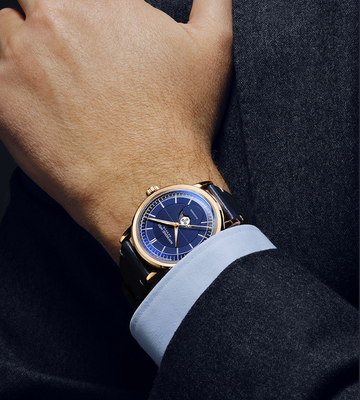
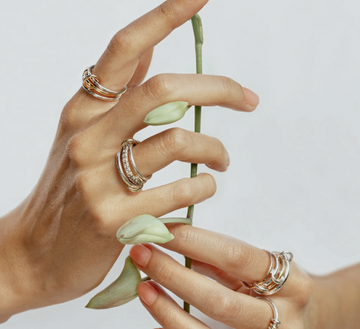


A well-chosen bracelet should feel considered from the first wear: secure without pinching, substantial without feeling heavy, and easy to maintain between special occasions. The details matter, from the metal's composition and the strength of its clasp to the space it needs when worn beside a watch or other pieces.
For everyday wear, silver bracelets are easiest to enjoy when you understand their construction, choose a comfortable fit, and protect the surface from moisture, oils, salts, and sulfur-containing air. Sterling silver is typically 92.5% silver and 7.5% alloy, often copper, according to the U.S. Geological Survey. With thoughtful storage and gentle cleaning, a bracelet can retain its character while professional assessment helps protect delicate details.
Whether you are selecting a first piece, building a layered look. Or caring for a bracelet already in your collection, start with the material and the way it is assembled. That foundation makes it easier to judge how well a design can handle daily movement and where attentive care matters most.
Shop silver bracelets and compare styles for your everyday rotation.
What Makes Silver Bracelets Durable Enough for Everyday Wear?
Answer first: The most dependable silver bracelets combine clearly identified metal, secure links and clasps, and construction suited to how you plan to wear them. Sterling silver is 92.5% silver and 7.5% copper or other alloys, while a plated or coated bracelet has a silver surface layer over another material. Knowing which you are buying helps you set realistic expectations for daily wear and care.
How can you assess the materials and construction?
Start by looking for a clear hallmark or product description. The 925 mark commonly communicates the sterling standard, and U.S. Federal Trade Commission guidance says an item represented as sterling silver must contain at least 925 parts per 1,000 pure silver. That mark is useful, but it should be considered alongside the seller's description and the bracelet's overall workmanship. A surface treatment should be identified as plating or coating rather than presented as solid silver. Federal guidance also cautions against misleading descriptions of silver content, plating, electroplating, or coating.
Plated pieces can be attractive and practical, but their surface layer may gradually show wear where the bracelet repeatedly contacts skin, clothing, desks, or other jewelry. They deserve especially thoughtful care and should not be treated as interchangeable with sterling silver throughout. If a finish is important to the look, ask what the surface is and how the piece should be maintained before making it part of an everyday rotation.
Next, examine the parts that carry movement. Flexible links should lie evenly without sharp kinks, excessive gaps, or visible distortion. A lobster clasp, spring ring, toggle, or other closure should open smoothly and close fully. Check the connecting rings at the clasp and any pendant or charm, since small connection points experience repeated movement. On a cuff or bangle, look for a balanced shape and edges that feel smooth against the wrist. On a bead or link bracelet, make sure the elements move naturally rather than pulling against one another.
Durability also depends on routine choices. Even well-made silver can tarnish when exposed to sulfur-containing gases, and oils and salts from hands can leave dark smudges. Remove a bracelet before swimming, bathing, strenuous activity, or applying products that may coat the surface. Store it dry and separated from pieces that could scratch it. With sensible wear, careful storage, and periodic inspection, a well-constructed bracelet can remain a polished part of an everyday collection. If a clasp feels unreliable or a link appears weak, have the structure assessed before continued wear rather than waiting for a loss or break.
How Should Silver Bracelets Fit at the Wrist?
Silver bracelets should feel secure without restricting movement. They should stay comfortably on the wrist, allow natural motion, and have a clasp or closure that you can check before wearing. A good fit depends on the bracelet's design, your wrist, and how you plan to wear it. A close-fitting chain may suit everyday use, while a cuff or bangle needs enough room to move without sliding excessively or catching on clothing.
How can you check the fit before wearing?
Start by measuring your wrist where the bracelet will sit, then compare that measurement with the bracelet's inside length or adjustable range. If you are shopping in person, try the piece on and move your hand normally. Raise your arm, bend your wrist, and rotate your hand. The bracelet should not pinch, pull at the skin, or interfere with movement. It should also remain comfortably positioned rather than traveling far up the forearm with ordinary motion.
Consider how the bracelet will be worn with other jewelry. If you plan to layer several silver bracelets, leave enough room for the pieces to move without forcing one another against the wrist. A design with charms, a larger centerpiece, or a substantial clasp may need more practical space than a slim chain. Comfort matters more than achieving a rigid position.
Before daily wear, test the closure several times. Confirm that the clasp fully engages and that any safety chain, hinged section, or locking mechanism sits correctly. Run your fingers gently over the links and connection points. Look for a crack, a weak area, an old repair that appears stressed, or a loose or missing component. The National Park Service recommends this kind of structural inspection before treating an object, and the same careful habit is useful before wearing a treasured bracelet. Its guidance specifically advises checking for cracks, weak areas, old repairs, and loose or missing parts.
Do not force a closure that feels stiff or wear a bracelet that opens unexpectedly. Set it aside for assessment, especially if the piece has sentimental value or a delicate construction. For local guidance, Kravit's professional jewelry repair guidance can help you understand what to consider when a bracelet needs attention. A secure, comfortable fit protects both the jewelry and the confidence that comes with wearing it.
Which Silver Bracelet Styles Work Best for Layering?
The most successful bracelet stacks combine contrast with a clear sense of proportion. Start with the role you want each piece to play. One bracelet can provide structure, another can add movement, and a third can supply a quiet focal point. Choose based on how closely the bracelet sits to the wrist, how much texture it introduces, and how carefully its details need to be protected during daily wear.
| Style. | Look. | Movement. | Layering role. | Daily-care consideration. |
|---|---|---|---|---|
| Chain or link. | Fluid, polished, and easy to dress up or down. | Moves naturally as the wrist moves. | Useful as a light foundation or connecting texture. | Check links and the clasp regularly, especially if it is worn often. |
| Cuff or bangle. | Clean, sculptural, and more defined. | Usually stays more stable on the wrist. | Creates structure beside softer chains. | Allow enough room for comfort and avoid forcing it over the hand. |
| Charm bracelet. | Personal, expressive, and varied in texture. | Charms create noticeable movement and sound. | Works well as the story-telling focal piece. | Give charms space to move and inspect attachment points for looseness. |
| Tennis-inspired. | Even, refined, and visually continuous. | Follows the wrist with relatively little visual interruption. | Adds a bright line between simpler bracelets. | Keep it from rubbing sharply against textured or oversized links. |
| Heavier link. | Bold, substantial, and deliberately modern. | Has more weight and presence as it shifts. | Best as the anchor, with slimmer pieces around it. | Inspect connecting links and clasp condition before extended daily wear. |
How should you combine different proportions?
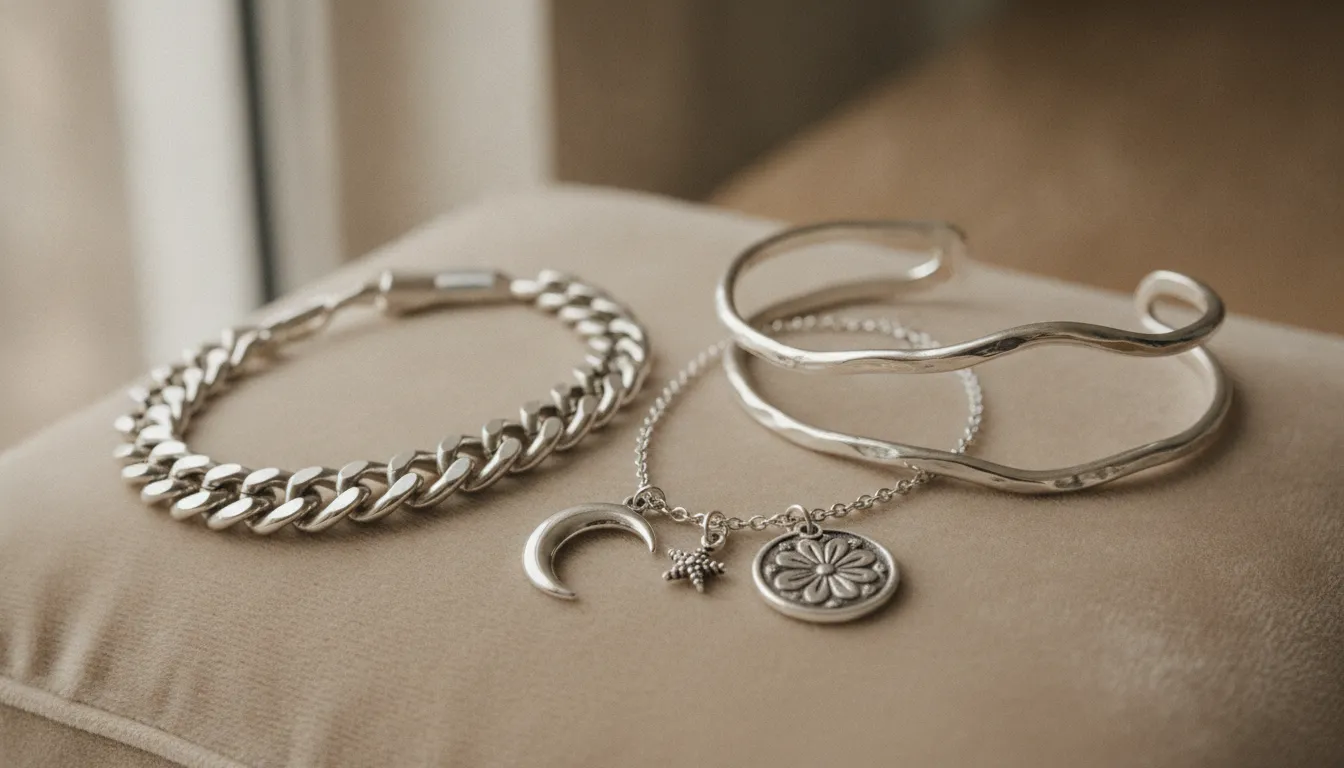
Choose one dominant silhouette, then let the surrounding pieces support it. A heavier link bracelet can anchor a narrow chain and a smooth bangle. While a delicate chain stack may benefit from a small charm bracelet rather than another fine chain. Repeating one detail, such as a polished finish or a restrained geometric shape, keeps different styles from looking accidental.
Movement matters as much as appearance. Several loose, active pieces can twist together, while multiple rigid bangles may compete for the same space. Leave enough room for each bracelet to be seen and consider whether the combination will catch on sleeves or other jewelry. Inspect older pieces for loose parts, weak areas, or previous repairs before adding them to a daily stack. When you are comparing designs in person, shop silver bracelets with your intended proportions and routine in mind, rather than choosing by appearance alone.
How Can You Layer Silver Bracelets Without Losing Balance?
Layering looks most polished when the bracelets feel intentionally related rather than randomly stacked. Start with proportion: pair one substantial bracelet with slimmer pieces, or build a graduated arrangement that moves from delicate to more substantial near the wrist. If every piece has the same visual weight, the stack can look crowded. If every piece is extremely fine, the combination may lose definition.
Texture creates contrast without requiring dramatic color. A smooth bangle can sit beside a fine chain, while a link bracelet adds a more architectural line. Beaded or lightly detailed designs bring rhythm to a simpler stack. Choose one focal piece, such as a sculptural cuff or a bracelet with a distinctive charm, then let the surrounding pieces support it rather than compete with it.
How much space should you leave between bracelets?
Allow enough movement for each bracelet to remain visible. A small gap between contrasting textures helps the eye separate them, while closely related chains can overlap more naturally. Consider the shape of your wrist and the sleeve you plan to wear. A stack that feels elegant with a short sleeve may catch on knitwear or a tailored cuff. Test the arrangement through ordinary movements before wearing it for a full day.
Mixed metals can work well when silver remains the visual foundation. Add one warm-gold accent or a piece that repeats a metal already present in a watch, ring, or necklace. Repeating that accent once or twice creates cohesion without making the stack feel busy. You can also unite different finishes through a shared detail, such as a rounded link, geometric form, or understated gemstone.
Practicality matters as much as appearance. Keep clasps aligned where possible, check that connected links move freely, and remove pieces before activities that could expose them to impact, moisture, or chemicals. If a bracelet has a loose clasp, sharp edge, weak section, or delicate setting, set it aside until it can be assessed. A balanced stack should feel comfortable, secure, and easy to wear, not merely attractive in a photograph.
How Do You Prevent Tarnish on Silver Bracelets?
Tarnish prevention is mostly a matter of limiting contact with the substances that darken silver and storing the bracelet in a clean, stable environment. Silver can react with sulfur-containing gases in the atmosphere, while oils and salts from your hands can leave fingerprints and encourage dark smudges. Dust may also contain sulfur compounds, so everyday handling and storage both deserve attention. The following routine can help preserve the finish of your silver bracelets between professional cleanings.
- Limit exposure to sulfur sources. Silver tarnishes when exposed to sulfur-containing gases in the atmosphere. Keep bracelets away from environments with noticeable fumes, smoke, or strong odors, and return them to protected storage after wearing. The Michael C. Carlos Museum's silver-care guidance explains why sulfur exposure matters.
- Handle the bracelet with clean, dry hands. Oils and salts from skin can promote tarnish and leave visible smudges. Before putting on or removing a bracelet, wash and dry your hands. Hold delicate areas such as links, charms, and clasps gently rather than repeatedly rubbing the surface.
- Remove moisture promptly. After the bracelet encounters perspiration or another source of moisture, dry it carefully with a soft, clean cloth before storage. Pay attention to crevices around the clasp and between links, where dampness and residue can remain unnoticed.
- Keep dust away. Dust is not harmless filler around fine jewelry. It can contain sulfur-containing compounds, so use a clean storage area and avoid leaving silver bracelets uncovered for long periods. If dust settles on the piece, remove it gently rather than rubbing particles across the surface.
- Choose airtight, stable storage. Store each bracelet in an airtight container made from polyethylene or use acid-free paper or board as a stable surrounding material. These options are recommended in the museum guidance for silver objects. Stable storage also helps reduce contact with airborne contaminants.
- Use a tarnish-preventing cloth when appropriate. A tarnish cloth can add another layer of protection in storage. The museum describes Pacific Silvercloth as a fabric containing silver threads that tarnish before the stored silver object. Follow the cloth manufacturer's care directions, and avoid compressing a structured bracelet in a way that could bend it.
- Avoid wood and acidic paper. Do not use an untreated wooden box, newspaper, or unknown paper wrapping as the primary storage material. Wood and acidic paper can emit sulfur-containing compounds. When a bracelet has gemstones, plating, delicate links, or signs of weakness, ask a qualified jeweler about the safest storage and care approach.
Careful storage will not eliminate tarnish forever, and a light change in color is not automatically a sign of damage. Avoid aggressive polishing simply to chase every darker area, since repeated tarnish reduction removes a microscopic layer of the silver surface. A gentle, informed routine protects both the metal and the details that give a bracelet its character.
What Is the Safest Way to Clean Silver Bracelets?
The safest approach is gentle, limited, and suited to the bracelet's actual construction. Before cleaning, identify the metal and inspect the piece for cracks, weak areas, old repairs, loose links, missing parts, or a compromised clasp. The National Park Service recommends this kind of structural check before treatment because handling can worsen an already fragile object. If the bracelet is plated, gem-set, antique, hollow, or damaged, professional assessment is usually wiser than experimenting at home.
For an intact sterling silver bracelet, begin by removing loose dust with a soft, clean cloth or very gentle brush. Dust first because larger particles can scratch the surface during polishing. Use a clean, non-abrasive material and light pressure, working in small areas. Keep liquids away from hollow sections, enclosed joints, and places that are difficult to dry. The goal is to lift surface residue, not to force the finish to look uniformly bright.
Be cautious with silver dips and chemical wipes. Museum guidance notes that silver dips can overclean an object and potentially cause pitting, while chemical wipes may contribute to uneven future tarnish or pitting. Repeated tarnish reduction also removes a microscopic layer of silver from the surface, so aggressive polishing can gradually soften details and wear away a finish. Replace or refold the cloth as it picks up residue rather than rubbing removed tarnish back into the metal. Emory University Museum's silver-care guidance explains why restraint matters.
Do not automatically remove every dark mark from the bracelet's recesses. Intentional oxidation or retained tarnish can provide contrast that helps engraved lines, textures, and decorative details stand out. A cotton swab may be used lightly in selected recesses, but complete removal is not always desirable. Plated pieces require particular care because polishing can thin or remove the surface layer. Gem-set bracelets may also have settings or stones that do not tolerate moisture or chemicals.
Pause and seek a qualified jeweler's assessment if the bracelet has sentimental or antique value, visible damage, delicate links, plating, gemstones, or an uncertain metal identity. In Oceanside, Kravit's team can evaluate whether cleaning, polishing, restoration, or another form of jewelry repair in Oceanside is appropriate before work begins.
Explore Kravit Jewelers' bracelet collection for silver bracelet designs.
Frequently Asked Questions
How can I tell whether a bracelet is sterling silver?
Look for a clear mark such as 925 and confirm the item description. Sterling silver is 92.5% silver with the balance typically an alloy such as copper. U.S. guidance reserves the sterling designation for products that are at least 925 parts per 1,000 pure silver. Read the USGS explanation of sterling silver and ask a jeweler to assess an unclear or older piece.
Why do silver bracelets tarnish even when they are worn regularly?
Tarnish develops when silver reacts with sulfur-containing gases in the atmosphere. Skin oils and salts can also leave dark smudges, while dust may contain sulfur compounds. Wipe the bracelet gently after wear, allow it to dry, and store it in a clean, stable container when you are not wearing it. The Emory University care guidance explains these environmental effects.
Can I wear a silver bracelet in the shower or while swimming?
It is better to remove it before bathing, swimming, exercising, or applying lotions and fragrances. Water and residues can collect around links, clasps, stones, or textured details, and drying thoroughly is not always easy. If the bracelet has already been exposed, pat it dry with a soft cloth rather than storing it damp.
What should I do if my silver bracelet has heavy tarnish or a loose clasp?
Do not begin with an aggressive dip or abrasive polish. Repeated tarnish reduction removes a microscopic surface layer, and silver dips can overclean or pit the surface. Before treatment, inspect for cracks, weak areas, old repairs, and loose or missing parts. For a delicate, plated, gemstone-set, or damaged bracelet, an in-person assessment by a qualified jewelry professional is the safer next step. The National Park Service guidance recommends gentle treatment and careful structural inspection.
Get Started with Silver Bracelet Guidance
The right silver bracelet should feel comfortable, suit your style, and remain easy to care for over time. Explore Kravit Jewelers' fine jewelry collection and get started with thoughtful guidance from the Oceanside team.


