


Birthstone jewelry can hold a family story in a form that feels personal, wearable, and thoughtfully designed. A single gemstone may represent one person, while a group of stones can mark children, partners, parents, or several chapters of a family's life. The best design is not simply a collection of birth months. It balances meaning with proportion, comfort, durability, and the recipient's everyday style.
Schedule a custom jewelry consultation with Kravit Jewelers
What makes birthstone jewelry meaningful for a family?
Birthstone jewelry becomes meaningful when each stone has a clear connection to the people or memories it represents. The connection may be literal, such as a child's birth month, or more interpretive. Such as a gemstone selected for its color, symbolism, or resemblance to a shared place. The most successful pieces give the wearer a story they can explain, remember, or keep private.
Before choosing a design, list the people and milestones you want to honor. A mother may want to represent her children. A couple may combine stones connected to their relationship. A graduate may receive a piece that pairs a birthstone with a meaningful color or motif. A family heirloom may be redesigned so that a new generation becomes part of the story.
It is not necessary to include every meaningful detail in one piece. Too many stones, charms, initials, and dates can make a design feel crowded. Start with the central relationship, then decide whether additional elements genuinely improve the story. A jeweler can help edit the concept so the final piece feels intentional rather than overfilled.
The strongest family jewelry designs make the symbolism easy to understand without making the piece look overly literal. A graceful setting, balanced spacing, and a metal color that suits the wearer can give the story a refined finish.
How many stones should a birthstone jewelry design include?
The number of stones should reflect the story, the jewelry type, and the amount of visual detail the wearer enjoys. There is no universal rule that one family member must equal one gemstone. A design can use a stone for each child, one central stone for the family, or a combination of larger and smaller stones that creates visual balance.
- One stone: A single birthstone can represent one person, a new beginning, or the central recipient.
- Two stones: Two gemstones can symbolize partners, siblings, parent and child, or two important milestones.
- Three stones: Three stones may represent a couple and their shared family, three children, or past, present, and future.
- Four or more stones: A larger family can be represented with a row, cluster, stack, or graduated design that distributes color carefully.
- One focal stone with accents: A central gem can carry the main meaning while smaller accents represent additional people or memories.
| Family story | Possible design direction | Best planning question |
|---|---|---|
| One person or milestone | Single-stone pendant or ring | Should the stone be the focal point? |
| Two people or shared event | Two-stone ring, pendant, or paired earrings | Should the stones match or contrast? |
| Several children or relatives | Row, cluster, stack, or graduated arrangement | How can color and scale stay balanced? |
| Growing family story | Flexible layout discussed during custom design | Should future additions be considered? |
When several stones have different colors, spacing matters. A jeweler may suggest alternating colors, a graduated arrangement, or a central stone that anchors the composition. The goal is to create rhythm rather than place every color side by side without a visual plan.
Also consider future additions. A family may grow, or the wearer may later want to add another stone. A design with flexible proportions can make future changes easier to evaluate. That does not mean promising that every piece can be altered. It means discussing the intended use honestly before the design is finalized.
Choose the number of stones by story first, then refine the arrangement around proportion and wearability. This approach preserves the emotional purpose without sacrificing good jewelry design.
Which type of birthstone jewelry suits the wearer?
The jewelry format changes how the birthstones are seen and worn. A necklace can accommodate a central stone, a series of gems, or a pendant with a meaningful silhouette. A ring keeps the symbolism close to the hand but requires special attention to comfort, profile, and daily activity. A bracelet can create a more visible family arrangement, while earrings may offer a balanced way to represent two related stones.
Necklaces and pendants
Necklaces are versatile for family designs because they can carry a focal gemstone, a small cluster, or a pendant shape with stones arranged around it. They are often a practical choice when the recipient prefers sentimental jewelry near the heart but does not wear rings regularly. The chain length, pendant scale, and neckline should be considered together.
Rings and stackable designs
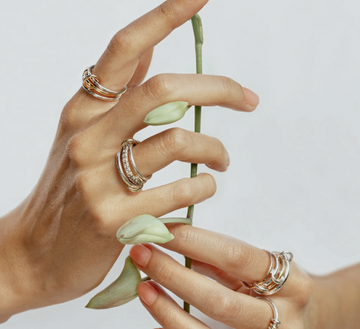
Rings can make the birthstones part of an everyday jewelry collection. A band may hold stones across the surface, while a cluster or signet-inspired design can make one gemstone the visual focus. Comfort is especially important when a ring is intended for daily wear. The setting should suit how the recipient uses their hands and whether the ring will be worn alone or stacked with other pieces.
Bracelets and bangles
Bracelets can display several birthstones in a row, station arrangement, or charm-inspired composition. They work well for someone who likes to layer jewelry or wants a family piece that feels expressive. Movement, clasp security, and the relationship between gemstone size and bracelet width should be part of the design conversation.
Earrings and paired pieces
Earrings can represent two people or create a balanced pair using related gemstones. They are a subtle option when the recipient likes color but prefers not to wear a larger personalized pendant or ring. The design should account for weight, symmetry, and the way the stones will appear when worn.
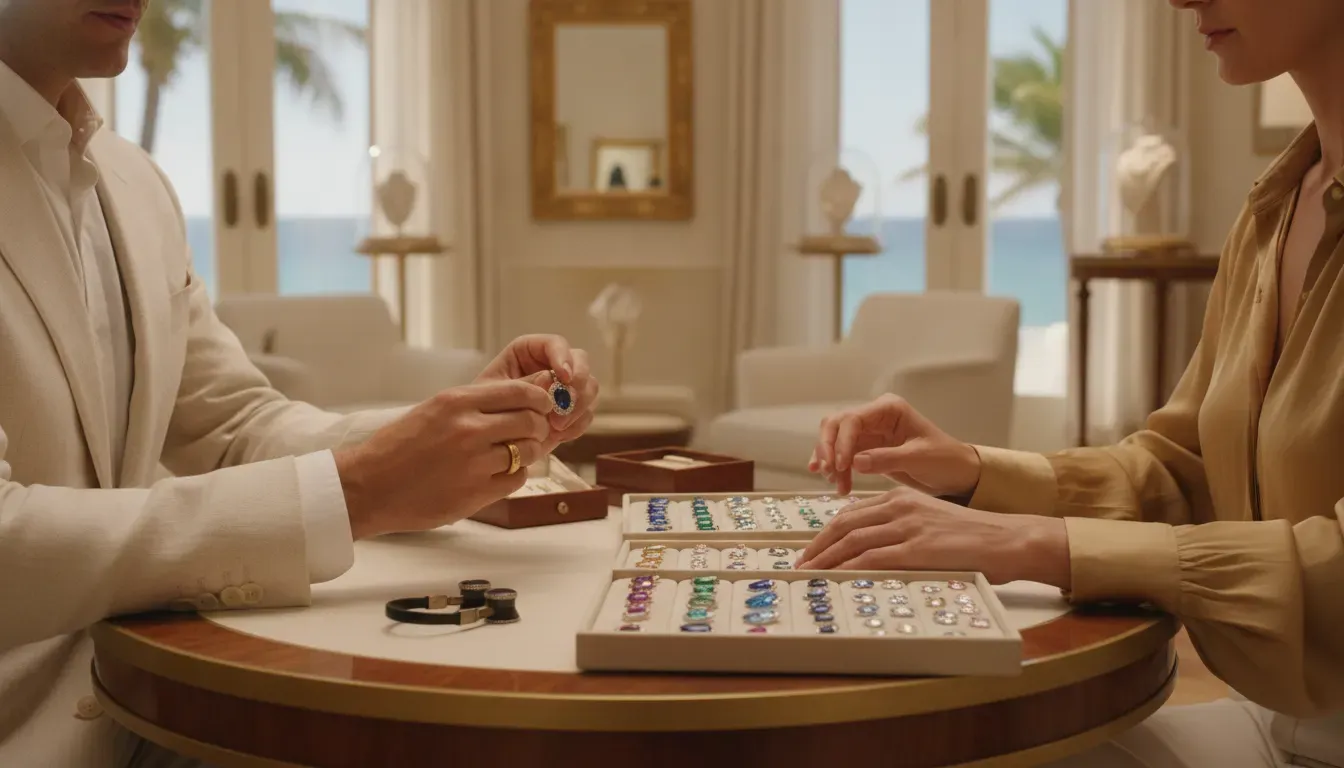
The right format is the one the recipient will enjoy wearing, not simply the one that can hold the most gemstones. Looking at their current jewelry collection can reveal whether a pendant, ring, bracelet, or paired design will feel natural.
How should you compare birthstones for color and durability?
Birth month is a useful starting point, but it should not be the only factor in a gemstone decision. Some months have more than one recognized stone or more than one color tradition. The best selection depends on the wearer's taste, the design, the setting, and how often the jewelry is expected to be worn.
- Color: Decide whether the recipient prefers vivid color, muted tones, neutrals, or a combination that coordinates with existing jewelry.
- Contrast: Similar colors can create a quiet, refined look. Contrasting colors can make each family member's stone easier to distinguish.
- Scale: Smaller stones may create a balanced family row, while one larger stone can establish a clear focal point.
- Setting: Bezel, prong, channel, and other setting approaches change the look and the amount of protection around the stone.
- Wear: A piece worn every day may call for a different gemstone and setting discussion than jewelry reserved for special occasions.
Durability should be considered in context. A ring worn while working with the hands may experience different demands from a pendant worn under clothing. A bracelet can encounter knocks and friction, while earrings may be removed more often. Rather than relying on a simple ranking, share the intended routine with a jeweler so the design can be evaluated as a whole.
It can also be appropriate to select a gemstone that represents a person without using a strict birth-month match. A family member may prefer a particular color, or a piece may be designed around an heirloom stone already in the family. The important point is to explain the meaning clearly and choose materials that support the desired use.
A birthstone should look beautiful in the finished design and make sense for the way the jewelry will be worn. Color symbolism matters, but so do comfort, construction, and the wearer's personal style.
Explore Kravit's guide to birthstone meaning
What metal and setting choices help the design feel cohesive?
Metal color and setting style provide the visual framework for birthstone jewelry. Yellow gold can create warmth and highlight rich gemstone colors. White metals can give a crisp, understated appearance. Rose gold may add a softer contrast to selected stones. The best choice depends on the wearer's existing collection, skin-tone preference, desired mood, and the colors in the design.
Mixing metals can be effective when it has a purpose. For example, a contrasting detail may separate a central stone from accent stones or connect the new piece to jewelry the recipient already owns. Mixed-metal designs need deliberate proportion. Without a clear visual relationship, multiple metal colors can distract from the gemstones.
Setting style also affects the character of the piece. A bezel setting can create a smooth outline around a stone. Prongs can allow more light and show more of the gemstone's shape. A channel or row arrangement can produce a clean, continuous line. A cluster can make several smaller stones read as one focal design.
Ask how the setting will affect cleaning, snag resistance, and future service. These questions are especially helpful when the piece is meant to be worn often. A design that looks beautiful in a sketch should also be comfortable and practical in the recipient's routine.
Think of metal and setting as the design language that unifies the family story. They should support the stones rather than compete with the meaning behind them.
When does custom design make sense for birthstone jewelry?
Custom design can be useful when an existing style cannot express the family story with the right proportions or materials. It may be appropriate for a ring that needs a particular number of stones. A pendant built around an heirloom, or a piece that must coordinate with jewelry the recipient already wears. Custom does not have to mean elaborate. A simple silhouette with carefully selected stones can feel more personal than a highly detailed design.
A consultation-led process gives the design conversation room to address both emotion and construction. Begin by explaining who or what each stone represents. Then discuss the intended wearer, jewelry type, metal preference, gemstone colors, scale, and everyday routine. If the design includes an heirloom, bring any available information about the piece and explain what you want to preserve.
Kravit Jewelers can help develop a family birthstone concept through a personal consultation. The conversation can clarify which elements should be prominent, which should remain subtle, and how the design can feel cohesive. For a more involved idea, a computer-aided design preview may help you consider proportions before fabrication. Specific materials, scope, and timing vary by project, so those details should be confirmed during the consultation.
Custom design is also a chance to plan for the future. If a family story may expand, discuss whether the concept should allow a later addition or whether the finished piece should remain complete as designed. There is no single right answer. Some people prefer a finished composition, while others value a design that can evolve.
Custom birthstone jewelry is most successful when the design brief is specific about meaning but open to expert refinement. The goal is a piece that honors the family without looking like every idea was added at once.
Discuss a custom family birthstone design with Kravit Jewelers
What should you bring to a birthstone jewelry consultation?
A little preparation can make a design consultation more productive without taking away from the creative process. Bring the names or relationships represented by the stones, along with any meaningful dates or color preferences. If you are designing a gift, consider what the recipient already wears and whether the piece should be subtle, colorful, classic, or expressive.
- A list of the people or milestones the piece should represent.
- Photos of jewelry the intended wearer regularly uses.
- Examples of preferred metal colors, pendant shapes, or ring profiles.
- Any heirloom jewelry or gemstones that may be part of the concept.
- A practical description of how often and where the piece will be worn.
- Questions about care, future service, fit, and possible design revisions.
You do not need a finished sketch. A conversation about what feels right, what feels too ornate, and what the wearer would actually use can be more helpful than a rigid plan. It is also useful to identify which choices are essential and which are flexible. For example, the family may need to be represented by a particular number of stones, while the pendant shape or metal color remains open.
If the piece is a surprise, ask a trusted person to help with style and sizing information. An existing ring can sometimes provide useful clues, but it should not be assumed to fit the same finger or indicate the exact size required. A jeweler can discuss practical options that reduce the risk of choosing an uncomfortable design.
How can you keep birthstone jewelry meaningful over time?
Meaningful jewelry should remain enjoyable after the occasion has passed. Give the recipient a short note explaining the story behind each stone, especially when the design uses subtle colors or a less literal arrangement. Keeping the explanation with the jewelry can help preserve the connection for years to come.
Care should follow the materials and construction of the specific piece. Ask how to clean it safely, which activities may be unsuitable, and when professional inspection or service may be appropriate. Store the piece so that gemstones and metal are protected from scratches, and avoid treating every gemstone as if it has the same care requirements.
As family circumstances change, the meaning of the jewelry may deepen. A mother's ring can become a record of family history. A pendant may recall a milestone long after the original celebration. An heirloom redesign can connect an earlier generation to the person who wears it now. The piece does not need to be updated to remain meaningful, but its story can continue to grow.
Thoughtful care protects both the jewelry and the family story it carries. When questions arise, a professional review can help you understand the best way to enjoy and maintain the piece.
See more birthstone design inspiration from Kravit Jewelers
Frequently asked questions about birthstone jewelry
What is the best type of birthstone jewelry for a mother?
The best type depends on how she dresses, what jewelry she already wears, and how many people or milestones the piece should represent. A necklace can hold a central design or several stones, while a ring or bracelet may suit someone who enjoys wearing family jewelry on the hand or wrist.
Can birthstone jewelry include several family members?
Yes. A design may include one stone for each person, a focal stone with smaller accents, or an arrangement that represents the family as a whole. A jeweler can help balance different colors and sizes so the finished piece feels cohesive.
Do birthstone jewelry designs have to use the official birth month stone?
No. Birth month is a meaningful starting point, but a design may also use a preferred gemstone color, an heirloom stone, or a gem selected for its symbolism. The choice should be explained clearly and evaluated for the intended type of wear.
Is a ring or necklace better for family birthstones?
Neither is universally better. A ring keeps the stones close at hand and can work well for everyday wear. While a necklace offers flexibility in the arrangement and can suit someone who prefers jewelry near the neckline. Look at the recipient's habits before choosing.
Can an existing family heirloom become birthstone jewelry?
It may be possible, depending on the condition, materials, and desired design. A consultation can help determine what should be preserved, what can be redesigned, and whether additional gemstones or a new setting would support the family story.
How do I start a custom birthstone jewelry design?
Start by listing the relationships or milestones you want to represent, then gather examples of the recipient's style. A consultation with Kravit Jewelers can help you compare jewelry formats, stones, metals, settings, and practical considerations before deciding how to proceed.


