

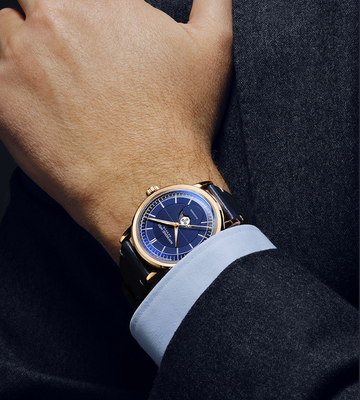



A stopped second hand can signal a simple battery issue or a deeper movement problem. The right diagnosis protects both the watch and its value.
Schedule a Watch Repair Consultation at Kravit Jewelers
A watch repair service identifies the cause of a timepiece problem, then recommends the care needed to restore reliable performance. At Kravit Jewelers in Oceanside, in-house specialists handle battery and crystal replacement, bracelet adjustments, cleaning, polishing, pressure testing, and full movement servicing. Swiss-trained watchmakers work on quartz, automatic, and mechanical watches, including modern, luxury, and vintage timepieces, with careful attention to precision and parts. Repair cost and timing depend on the watch, its condition, available parts, water damage, and whether it needs a minor fix or complete overhaul. An in-person consultation gives Long Island owners a clear assessment and helps define the safest next step for the valued personal timepiece.
Choosing the proper repair starts with knowing whether the problem is cosmetic, electrical, or inside the movement. Watch repair service: what Kravit can fix explains how skilled in-house specialists address common concerns for Long Island watch owners. Here is how:
Watch repair service: what Kravit can fix
Kravit handles everyday watch fixes, cosmetic repairs, and deeper servicing after an in-person diagnosis. Common work includes batteries, crystals, bracelets, straps, polishing, pressure testing, water-damage review, movement service, and vintage restoration.
Everyday fixes and careful diagnosis
A watch that stops, runs fast, or loses time does not always need a full overhaul. Kravit's in-house team can test the watch and trace the cause before recommending work. Common fixes include battery replacement, quartz conversion, de-magnetization, link adjustments, and new straps.
Battery work calls for more care than simply opening the case and fitting a new cell. The technician can inspect the case, seals, and contacts while the watch is open. Removed button cells should stay away from children, as the U.S. Consumer Product Safety Commission warns that swallowed cells can cause severe injury.
Cases, crystals, and bracelets
Visible damage can affect both the look and daily use of a watch. Kravit handles crystal replacement, bracelet repair, strap replacement, cleaning, polishing, and pressure testing. Swiss-certified polishers can address worn surfaces with a measured approach that respects the original finish.
A cracked crystal or loose bracelet may also point to damage beneath the surface. The team can assess water exposure, check the case, and inspect the movement before work begins. Kravit's Oceanside watch repair team completes this work on-site in its service department.
Movement service and vintage restoration
Mechanical and automatic watches depend on many small parts working together. When wear, old lubricant, or impact affects performance, a full movement service may be needed. Kravit's Swiss-trained watchmakers can service quartz, mechanical, and automatic movements after examining the watch.
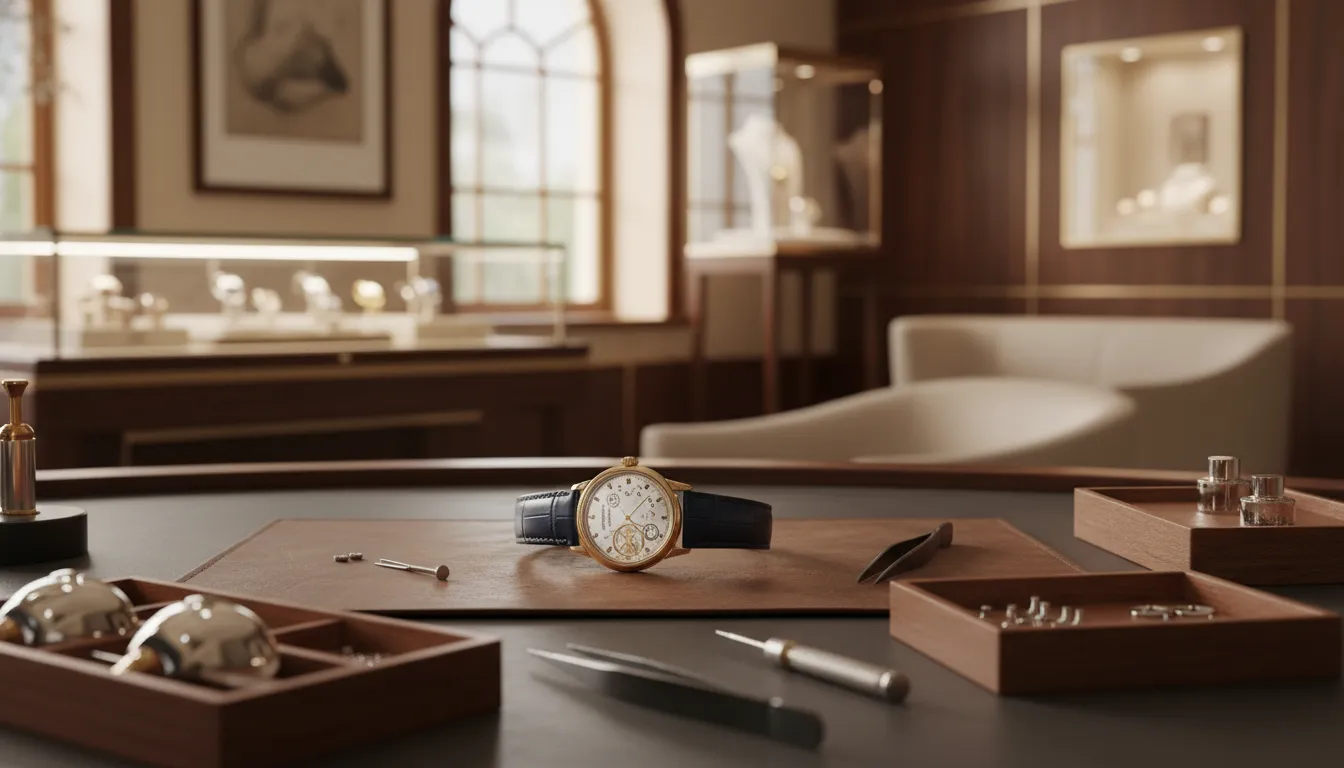
A movement service goes beyond treating the first visible symptom. The watchmaker reviews how the watch runs and checks its parts before setting the repair scope. This process helps separate a small adjustment from work that calls for deeper service.
Vintage restoration starts with the same careful review, but the goal often differs from a modern repair. The watchmaker must weigh reliable function against the need to preserve original parts and character. Water damage, part condition, and past repairs all shape the recommended plan.
Kravit also provides authorized care for suitable Rolex timepieces through its Official Rolex Jeweler expertise. Clients can review the store's approach to Kravit's watch service department before arranging an in-person assessment. The final scope depends on the movement, available parts, and the watch's condition.
Battery, crystal, and bracelet repairs explained
Battery, crystal, and bracelet repairs may look simple, but each can affect water resistance, fit, comfort, and long-term reliability. A careful repair checks the visible issue and the surrounding case, gasket, clasp, or movement before the watch is closed.
Battery replacement and gasket checks
A stopped quartz watch often points to a drained battery, but a careful replacement involves more than fitting a new cell. The technician should first check for corrosion, moisture, or other signs that may explain why the watch stopped.
During battery replacement, the case opening and gasket also need attention. A worn, pinched, or dry gasket may no longer seal as intended. Pressure testing can help assess the watch after the case is closed, when that test is right for the model.
Practical warning signs include a watch that stops and starts, loses time, or has a dim digital display. If a new battery does not solve the issue, the movement may need a closer check.
Scratched or cracked crystals
The crystal protects the dial while keeping the time easy to read. Light surface marks may look cosmetic, while a deep scratch, chip, or crack can call for replacement. Clouding under the crystal is another sign that the watch needs prompt review.
A technician will check the crystal material, shape, fit, and surrounding seal before recommending the repair. These details matter because the correct replacement must sit securely without harming the case or dial. Kravit's in-house watch repair in Oceanside include crystal replacement and other in-house work.
A cracked crystal should not be ignored. Small pieces or moisture may reach the dial and movement, turning a clear repair need into a broader problem. Stop wearing the watch if the crystal feels loose or has sharp edges.
Bracelet, clasp, and strap problems
A bracelet should feel secure without pinching or sliding too far on the wrist. Link adjustments can improve fit, but loose pins, stretched sections, and uneven gaps deserve closer attention. A clasp that opens on its own is also a clear repair sign.
Leather and fabric straps may show cracks, fraying, or damaged spring bars. Metal bracelets can develop bent links or worn connection points. Replacing or repairing the right part helps protect the watch from an avoidable fall.
Some simple-looking problems need deeper diagnosis. A fresh battery that drains soon, repeat moisture, a crystal that shifts, or a clasp that keeps failing may signal another fault. A specialist watch service review can separate a minor repair from movement, case, or water-damage concerns.
When does a watch need movement service?
A watch may need movement service when it runs fast or slow, stops repeatedly, winds roughly, has a short power reserve, shows moisture, or continues failing after a basic repair. The exact service depends on the movement type and inspection findings.
Signs that call for an evaluation
A watch movement needs an evaluation when its timekeeping or controls stop working as expected. Common warning signs include running fast or slow, stopping without cause, or showing a shorter power reserve. A crown that feels rough or makes a grinding sound also calls for prompt attention.
Moisture under the crystal is another reason to stop wearing the watch and seek help. Water can reach the movement, so waiting may allow the condition to worsen. A skilled watchmaker can assess the watch before recommending a repair plan.
Not every stopped watch needs a full movement service. A quartz watch may need a battery, while another fault may require deeper work. Kravit Jewelers' battery, crystal, and movement repair services include battery replacement, water-damage assessment, demagnetization, and full movement servicing.
Quartz, automatic, and mechanical movements
Quartz watches use a battery-powered movement, but a new battery will not solve every issue. If the watch still stops, loses time, or shows signs of moisture, the movement should be checked. The evaluation can separate a simple battery problem from damage that needs repair.
Automatic and hand-wound mechanical watches rely on moving parts that must work together with care. A short power reserve, uneven timekeeping, or trouble winding can point to a movement issue. Magnetism can also affect timekeeping, and demagnetization may be part of the recommended service.
The right service depends on the movement, its condition, and any damage found during inspection. There is no single schedule that suits every watch. General service guidance is useful, but an in-person evaluation gives the watchmaker the details needed for a sound recommendation.
What movement service may include
A full movement service goes beyond adjusting the displayed time. The watchmaker may disassemble the movement, clean its parts, replace worn components, and apply the right lubrication. The movement is then reassembled and regulated so its rate can be checked.
Testing is a key part of the process. The watchmaker may review timekeeping, winding, power reserve, and the function of the crown and other controls. If moisture was present, the case and seals may also need attention before the watch returns to regular wear.
Service needs vary, so costs and the scope of work should follow an inspection rather than a guess. Kravit's watch servicing at Kravit offers a clear path from evaluation through testing. For a luxury or vintage watch, the assessment can also help protect original details while addressing the movement fault.
How much does watch repair service cost?
Watch repair cost depends on the watch type, movement, parts, water exposure, case condition, bracelet condition, and testing needed. Kravit recommends an in-person assessment so the estimate matches the actual condition of the timepiece.
A watch repair service should begin with an in-person assessment, not a fixed price quoted without seeing the watch. The final cost depends on the fault, the timepiece, and the level of care needed. A clear estimate should explain the proposed work before the repair begins.
What affects the repair estimate?
Watch type and movement complexity often shape the scope of work. A simple quartz battery issue differs from a mechanical movement that needs cleaning, lubrication, and careful adjustment. Vintage and luxury watches may also require specific skills, tools, or parts.
Parts can change the estimate as well. Crystal material, bracelet condition, crown damage, and worn movement parts each call for a different repair plan. Brand requirements may also affect which parts and service steps are suitable for the watch.
- Watch type and movement condition
- Availability and type of replacement parts
- Crystal, case, crown, strap, or bracelet damage
- Signs of moisture or water damage
- Brand-specific service requirements
Minor repair or full service?
A focused repair may address one clear issue, such as a battery, crystal, strap, or bracelet component. A full service goes deeper and may involve the movement, case, bracelet, and testing. Kravit's watch repair for modern and vintage timepieces include options for both routine needs and more complex concerns.
Water damage can widen the scope because moisture may affect more than one part. The watchmaker must first assess the movement, seals, dial, and other affected areas. This inspection helps separate visible damage from issues hidden inside the case.
Getting a useful estimate
Bring the watch in with any service records and describe what changed. Note whether it stopped, lost time, suffered an impact, or showed signs of moisture. These details help the watchmaker start the assessment, but opening and inspecting the watch may still be needed.
A useful estimate should list the recommended service depth, needed parts, and any work that requires approval. Ask how added damage will be handled if it appears during service. For a watch repair estimate, visit the Oceanside showroom or review Kravit's watch care approach before your consultation.
Contact Kravit Jewelers to discuss your watch repair needs
Which watch repair option is right for you?
The right watch repair option starts with the symptom, then confirms the cause through inspection. A stopped quartz watch may need a battery, while moisture, poor timekeeping, crown damage, or repeated failure may require deeper service.
Start with the symptom
The right watch repair service starts with what the watch is doing now. A stopped quartz watch may need a battery, while poor timekeeping can point to a deeper issue. Cracked crystals, moisture, or damaged crowns also call for a careful assessment before work begins.
Minor work can still affect seals, water resistance, and delicate parts. Battery replacement also leaves a used cell that needs proper handling. The EPA guidance for used household batteries explains why battery type and disposal method matter.
Repair paths at a glance
An expert first checks the watch, then recommends a service path based on its condition. This avoids treating a visible symptom while missing wear or damage inside the case. Kravit offers Long Island watch repair support for modern, luxury, and vintage watches at its Oceanside location.
| Issue | Likely service path | Why expert handling matters |
|---|---|---|
| Stopped quartz watch | Minor repair or battery replacement | Protects the case, contacts, and seals. |
| Unknown fault or water exposure | Diagnostic assessment | Finds hidden damage before repair. |
| Slow, fast, or stopped mechanical watch | Movement service | Addresses wear within a complex mechanism. |
| Loose bracelet or worn strap | Bracelet, link, clasp, or strap work | Supports secure fit and safe wear. |
| Rolex service need | Official Rolex service assessment | Helps ensure the correct service route. |
When a full assessment matters
A diagnostic assessment is the sound first step when the cause is unclear. It is also wise after water exposure, a hard impact, or years without service. Movement work may involve cleaning, inspection, lubrication, adjustment, and testing based on the watch's needs.
The watch's age, movement, condition, and available parts can shape the recommended work. A clear assessment lets the owner review the scope before choosing between a focused repair and a broader service.
Bracelet and strap work often looks simple, but worn pins, links, or clasps can put the whole watch at risk. Expert handling helps preserve fit, finish, and secure wear. The same care matters when polishing a case or bracelet, since excess refinishing can change its lines.
Rolex-related work needs its own service path. Kravit is an Official Rolex Jeweler, so its team can assess the watch and explain the proper next steps. Readers can learn more about Kravit's Rolex watch expertise before arranging an in-person consultation.
Review Kravit Jewelers watch repair and servicing options
Why choose a local jeweler for watch repair?
A local jeweler gives you direct access to the people assessing your watch, clearer communication about estimates, and a place to return for follow-up care. Kravit combines that accountability with in-house expertise in Oceanside.
Accountability close to home
Choosing a local jeweler gives you a clear point of contact before, during, and after a repair. You can discuss the watch's history, explain recent problems, and ask questions in person. That direct exchange helps the watchmaker understand your concerns before work begins.
Mail-in services may require shipping a valued watch and speaking with a remote support team. A kiosk may handle simple jobs but may not offer movement work or detailed testing. With local local watch repair care, you know where the watch is being assessed and who is responsible for its care.
Inspection, testing, and the right scope of work
A watch can stop for several reasons, so a sound repair starts with an inspection. The issue may involve the battery, crystal, bracelet, movement, or signs of water damage. An in-person expert can review the full watch rather than treating only the most obvious symptom.
Testing also matters after the repair. Pressure testing can help assess the case seals when that service suits the watch. Movement checks, bracelet review, cleaning, and polishing may also be part of the recommended work. The scope should match the watch's condition, materials, and service needs.
A local watch repair service also makes approval easier. You can review the findings and ask what work is needed now. You can also discuss which items may wait, since repair needs and costs vary by watch.
Care for luxury and vintage watches
Luxury and vintage timepieces often need more than a quick part swap. Their movements, finishes, and older components call for careful handling. A skilled local watchmaker can explain repair choices while considering the watch's age, condition, and design.
Kravit Jewelers performs watch work on-site with Swiss-trained watchmakers and Swiss-certified polishers. The family-owned Oceanside jeweler has served Long Island since 1927. That long local presence gives clients a place to return for future service and questions.
Watch owners can also address related needs through Kravit's jewelry repair services. This is useful when a visit includes more than one valued piece. To discuss a watch, request an inspection, or plan a showroom visit, use the contact page.
How to prepare for a watch repair visit
Prepare for watch repair by noting symptoms, bringing service records, avoiding further wear if there is moisture or impact damage, and asking about timing, parts, testing, and care after service.
A little preparation helps the watchmaker understand the issue and discuss the right next steps. Before visiting Kravit in Oceanside, gather what you know about the watch and protect it from further harm.
Before you leave home
Note the symptoms. Write down when the problem began and what you observed. Mention lost time, a stopped movement, condensation, a loose crown, or an impact.
Bring available records. Pack the warranty card, prior service papers, and purchase details if you have them. These records can help clarify the watch's history and any relevant warranty terms.
Leave the case closed. Do not open the case, remove the movement, or try a home repair. Keep any loose external part in a small, clean container.
Stop wearing a wet watch. If water entered the case, remove the watch and do not press its buttons. Bring it for an assessment as soon as practical.
Pack related parts. Bring spare bracelet links, the original strap, removed screws, or other parts that belong with the watch. This helps the watchmaker see the complete piece.
Prepare your questions. Ask what the estimate covers, which work is advised, and when the watch may be ready. Repair needs and timing vary by the watch's type, parts, and condition.
Details for vintage or sentimental watches
Tell the watchmaker why the piece matters before work begins. A vintage dial, worn case, family engraving, or original bracelet may be part of its history. State which details you want preserved and whether you prefer function, appearance, or originality to guide the repair.
Also mention past restorations or replacement parts that may not appear in the service papers. Kravit's in-person watch repair review helps these details shape the discussion before you approve work.
Questions to ask at intake
Describe the problem in your own words, then ask how the watch will be assessed. Confirm how Kravit will share the estimate and seek approval if the watch needs more work than first expected.
Ask about likely timing, parts needs, testing, and care after service. If the watch has sentimental value, confirm your preservation requests in writing before leaving it for repair.
Frequently Asked Questions
Can a jeweler replace a watch battery while I wait?
Some battery replacements can be completed during a short visit, but timing depends on the watch and its condition. A technician may need to inspect the case, gasket, contacts, and signs of moisture before closing the watch. Models that require pressure testing, special tools, or additional repairs may take longer. Ask for a time estimate after the initial assessment.
How often should I have my mechanical watch serviced?
There is no single service schedule that fits every mechanical watch. The right interval depends on the model, movement, wear habits, storage, and the maker's guidance. Seek an assessment sooner if the watch loses time, stops, winds roughly, or shows moisture. Regular inspection can identify wear before it leads to a larger movement repair.
Is it worth repairing a vintage watch?
Repairing a vintage watch may be worthwhile when it has personal, historical, or collector value. The decision should follow an assessment of the movement, case, dial, original parts, and replacement-part availability. A careful repair plan balances reliable function with preservation of the watch's character. Ask which parts must be replaced and how refinishing could affect originality.
Do I need to make an appointment for watch repair?
Appointment policies vary, so contact the jeweler before bringing in a valuable, vintage, or luxury watch. Calling ahead helps confirm when the right specialist can inspect the timepiece and discuss its history. Kravit Jewelers accepts watch repair inquiries through its contact page. Bring any service records and describe recent impacts, moisture, or timekeeping changes.
Ready to Protect Your Watch With Expert Care?
A weak battery, damaged crystal, loose bracelet, or irregular movement can interrupt daily wear and leave you uncertain about the condition of your watch. Waiting can keep the issue unresolved and extend the disruption, while prompt attention gives you a clearer path toward dependable wear and proper care. Starting now also helps you plan around the service timeline, understand the recommended work, and make an informed decision before authorizing any repairs.
Ready to address the issue before it disrupts more of your routine or keeps a valued watch out of regular use? Call 516-766-3855 to schedule a watch repair consultation and begin with a focused discussion of your watch, concerns, and preferred timeline.


