



Choosing among luxury watches is not only a question of appearance. The right timepiece should suit the way you live, feel comfortable on your wrist, express your taste, and come with support you can trust for years. Whether you are buying your first significant watch or adding another piece to a collection, a clear decision framework makes the experience more rewarding.
Schedule a personal watch consultation at Kravit Jewelers
At Kravit Jewelers in Oceanside, New York, a private conversation can help you compare case proportions, movements, materials, complications, and ownership needs in person. The goal is not to choose the most talked-about watch. It is to choose a timepiece that makes sense for you.
What makes a watch a luxury timepiece?
Luxury is best understood as a combination of design, engineering, finishing, materials, quality control, and the experience surrounding ownership. A luxury watch does not have to be the largest, most complicated, or most expensive piece in a collection. Its appeal may come from a beautifully proportioned case, a carefully finished movement, a distinctive dial, a thoughtful bracelet, or a maker's long-standing watchmaking tradition.
Look beyond a name on the dial and consider how the watch is made and how it will be cared for. Clean transitions between polished and brushed surfaces, a securely fitted bracelet, crisp dial details, balanced proportions, and a precise, reassuring winding or setting action can all contribute to the experience. None of these details should be judged in isolation. A dress watch and a sports-oriented timepiece can both be luxurious while serving very different purposes.
Luxury also includes confidence after the sale. Clear documentation, a reputable point of purchase, access to qualified service, and a realistic understanding of maintenance are part of the value of a fine timepiece. These practical details matter because a watch is designed to be worn, serviced, and enjoyed over a long ownership period.
How should your purpose shape the choice?
Start with when, where, and how often you expect to wear the watch before comparing technical specifications. A daily watch should be comfortable, legible, and resilient enough for your routine. A dressier piece may prioritize a slim profile, refined dial, and understated strap. A travel or active-use watch may benefit from a stronger clasp, higher water resistance, clear time-zone information, or a case that feels secure during movement.
Write down the occasions you have in mind. Are you looking for one versatile timepiece for work, weekends, and special events? Are you marking a milestone with a watch that will be worn selectively? Do you want a piece that complements tailored clothing, casual layers, or an existing jewelry collection? Your answers will narrow the field more effectively than starting with a long list of brands.
- One-watch collection: Prioritize versatility, comfort, legibility, and service access.
- Formal occasions: Consider a thinner case, restrained dial, and strap that works with tailored clothing.
- Active routines: Look at case security, bracelet or strap durability, water resistance, and shock considerations.
- Collector purchase: Focus on design history, movement interest, proportions, condition, and how the piece complements what you already own.
There is no universally correct choice. A watch that fits your real routine will usually deliver more lasting satisfaction than one selected only because it is popular.
Which movement should you choose: mechanical, automatic, or quartz?
The best movement is the one that matches your preference for craft, interaction, accuracy, convenience, and maintenance. Mechanical and automatic watches use intricate systems of gears, springs, and regulating components. A hand-wound mechanical watch invites regular interaction because it is wound by the wearer. An automatic watch uses a rotor that winds the movement as the watch is worn, although it may need to be reset after it has stopped.
Many buyers value mechanical movements for their traditional construction and the visible relationship between the wearer and the watch. They can offer a sense of occasion and mechanical character, but they also require professional care over time. Accuracy can vary with position, wear, age, and service condition, so the experience is about craftsmanship as much as convenience.
Quartz movements use an electronic oscillator regulated by a battery or another power source. They are often appreciated for dependable day-to-day timekeeping and ease of use. A quartz luxury watch can still show careful design, fine materials, and strong finishing. Choosing quartz does not mean choosing an inferior experience. It means placing greater emphasis on convenience and precision than on traditional mechanical interaction.
Ask what ownership feels like in practice. Will you enjoy winding the watch or keeping it running? Do you want a piece that can sit safely for periods between wears? Would battery replacement, regulation, or movement servicing fit your routine? A knowledgeable jeweler can explain these differences without turning the decision into a technical test.
Review Kravit's pre-owned luxury watch buying guide before comparing individual pieces
What case size and shape will feel right on your wrist?
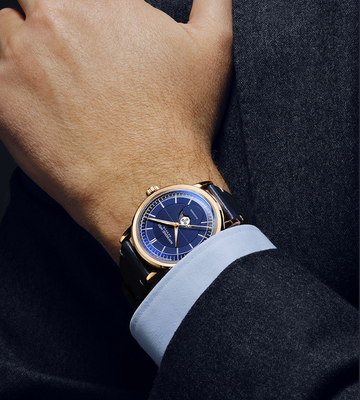
Fit depends on more than diameter. Case thickness, lug length, curvature, bracelet taper, and wrist shape all affect how a watch wears. A large case may look balanced on one wrist and oversized on another. A smaller case may feel elegant and discreet, or it may lack the visual presence you want. The numbers on a specification sheet are useful, but trying on a watch is the most reliable way to understand proportion.
Pay attention to whether the lugs extend beyond the wrist, whether the case sits comfortably beneath a cuff, and whether the crown presses into your hand. Move your wrist naturally. A good fit should feel secure without being tight, and the bracelet should rest evenly rather than pulling to one side. Case shape matters too. Round, square, tonneau, and cushion profiles create different visual impressions even when their measurements are similar.
Bracelet and strap choices also change the character of a timepiece. Metal bracelets can provide structure and a seamless daily look. Leather can feel more traditional or formal. Textile and rubber options may suit a more relaxed setting, depending on the watch design. Consider whether the strap can be changed later and whether the clasp or buckle is easy to operate.
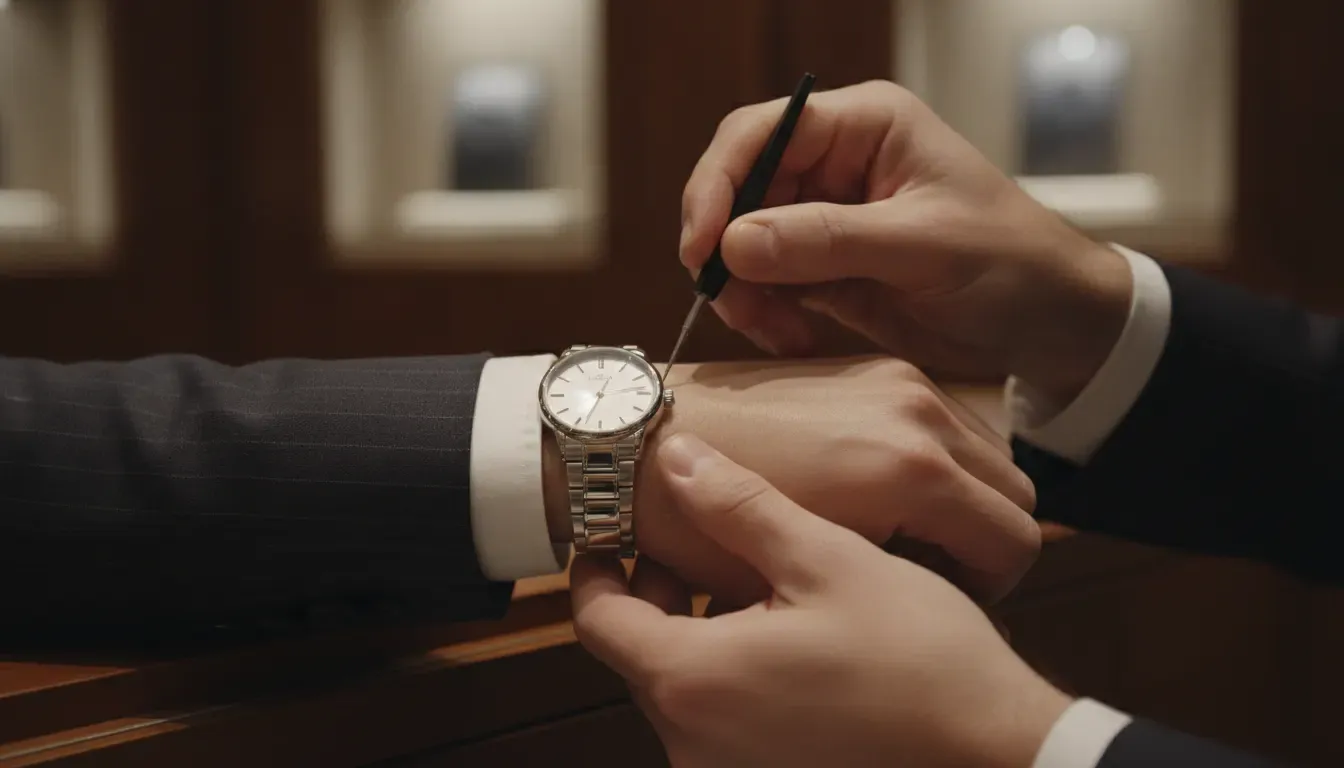
How do materials and dial details influence daily wear?
Choose materials and dial details for the way you want the watch to look, feel, and age. Stainless steel is versatile and can suit daily wear, while precious metals bring a different weight, warmth, and visual presence. Titanium may feel lighter on the wrist. Ceramic and other advanced materials can offer their own combination of lightness, durability, and design character. The right material depends on your lifestyle and the experience you want from the watch.
Dial color, markers, hands, and finishing deserve the same attention as the case. A high-contrast dial may be easiest to read at a glance. A textured or layered dial can reward closer inspection. A date display, chronograph, power-reserve indicator, or second time zone can be useful when it supports your routine, but extra functions should not be chosen only because they make a specification list longer.
Think about versatility over time. Neutral tones and restrained finishing may work with more of your wardrobe, while an expressive color or distinctive case can give a collection more personality. Neither direction is inherently better. The most successful purchase is the one whose details you will still enjoy noticing after the initial excitement fades.
Why do service and ownership support matter?
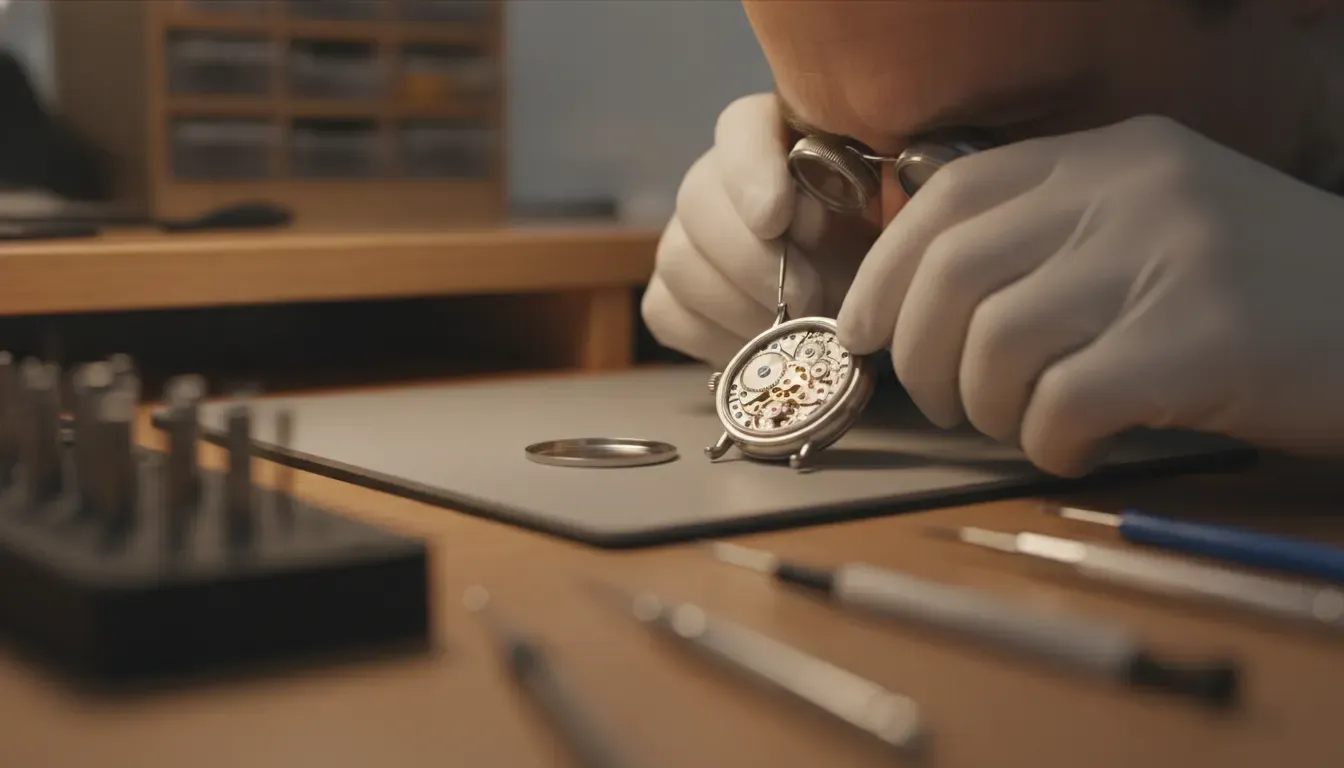
A luxury watch is a long-term object, so service expertise and communication should be part of the purchase decision. Mechanical watches contain many components that work together continuously. Bracelets and clasps experience regular wear. Seals, crystals, crowns, and case surfaces may need attention depending on use and condition. Even a well-made watch benefits from an ownership plan that includes careful handling, inspection, and professional servicing when appropriate.
Ask where assessment and service take place, who performs the work, what parts and testing are used, and how the jeweler communicates an estimate or timeline. You should understand what is known about the watch, what still needs evaluation, and which recommendations are essential rather than optional. A strong service relationship is especially valuable when a timepiece needs movement care, water-resistance testing, bracelet adjustment, polishing, crystal replacement, or restoration.
Kravit Jewelers offers watch repair and servicing for a wide range of timepieces, with Swiss-trained watchmakers and a personalized assessment process. Explore Kravit's watch repair and servicing approach when comparing the support available for a watch you already own or are considering purchasing.
Long-term care also includes everyday habits. Store the watch safely when it is not being worn, avoid exposing it to conditions outside its design, and follow the manufacturer's guidance for water resistance and servicing. Keep purchase records and service documentation together. These habits can make future assessments easier and help preserve your understanding of the watch's history.
How can you assess authenticity and purchase confidence?
Buy from a reputable seller who can clearly explain the watch's identity, condition, documentation, and support after the sale. Authenticity is not established by a logo or a polished photograph alone. A careful review considers the reference, serial information where applicable, movement, case, dial, bracelet, and the consistency of the complete watch. Documentation and packaging can be helpful, but they should be considered alongside the physical examination rather than treated as a substitute for it.
Ask direct questions before committing:
- What is the exact reference or model designation?
- What is known about the watch's service history and condition?
- Have the movement, case, crystal, crown, and bracelet been inspected?
- Which components, if any, have been replaced or refinished?
- What documentation accompanies the piece?
- What service support is available after purchase?
- What are the applicable return, warranty, and ownership terms?
For a pre-owned timepiece, condition and provenance deserve especially careful attention. Kravit's pre-owned luxury watch buying guide covers that narrower evaluation process in greater depth. This article's broader purpose is to help you decide what kind of watch fits your life before you compare individual pieces.
Confidence should come from transparent answers, a physical evaluation, and a clear path to care. If a seller avoids reasonable questions about the watch or its support, slow down and seek a second opinion.
What should you do before choosing a luxury watch?
Use a short comparison process that turns personal preferences into practical criteria. Before a purchase, compare two or three candidates in the same setting and take notes while the watches are in front of you. Consider the following:
- Define the role: Decide whether the watch is for daily wear, formal occasions, travel, active use, or collecting.
- Try the fit: Check comfort, case balance, lug reach, bracelet or strap feel, and legibility.
- Understand the movement: Ask how it operates, how it should be stored, and what service it may require.
- Inspect the details: Look at case finishing, dial clarity, clasp action, crown feel, and overall alignment.
- Confirm support: Learn who can assess and service the watch and how future care is handled.
- Pause before deciding: Choose the watch you genuinely want to wear, not simply the one that appears most impressive on paper.
In-person guidance can make this process easier because you can compare watches on the wrist and ask questions in real time. Browse Kravit's live timepiece collection for one verified example of the styles available, then contact the showroom to confirm current details before making plans. Collection contents and availability can change, so do not assume a particular model is in stock.
Contact Kravit Jewelers to compare luxury watches with confidence
Luxury watch questions, answered
What should I look for in a first luxury watch?
Start with a watch that fits your routine, wrist, wardrobe, and comfort preferences. Prioritize legibility, dependable construction, a movement you understand, and service support from a reputable seller. A versatile design is often a practical first step, but personal taste should remain central.
Is a mechanical watch better than a quartz watch?
Neither is automatically better. Mechanical watches appeal to buyers who value traditional watchmaking and hands-on interaction. Quartz watches appeal to buyers who prioritize convenience and dependable everyday timekeeping. Choose the movement that suits how you want to own and wear the watch.
How important is watch size?
Size is important because it affects comfort, balance, legibility, and visual proportion. Diameter alone does not determine fit. Case thickness, lug length, curvature, bracelet taper, and your wrist shape all matter, so try the watch on before deciding.
How do I buy a luxury watch with confidence?
Choose a reputable seller, ask for clear information about identity and condition, inspect the watch carefully, and confirm the service and ownership terms. A private consultation with a knowledgeable jeweler can help you compare technical details with the way the watch actually feels on your wrist.


