
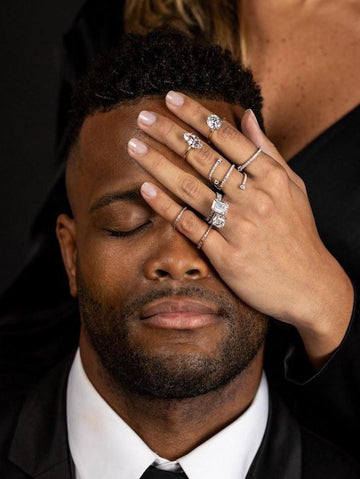

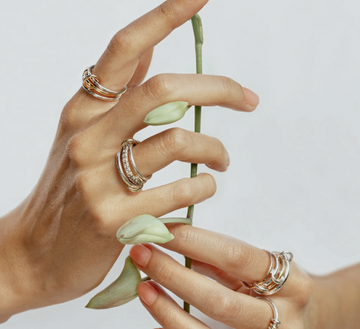


Does the beautiful stone on your ring spend more time on the side of your finger than on top? A constantly spinning or sliding ring is more than just a minor annoyance; it’s a clear sign that the fit isn’t right. A proper fit means your ring feels secure enough for daily wear without being restrictive. If you’re constantly fidgeting with it or it slips over your knuckle with zero resistance, it’s time for an adjustment. We’ll walk you through the clear signs your ring is too big and explore the best ways for how to resize a ring smaller.
Key Takeaways
- Know the signs of a poor fit: If your ring constantly spins, slides off with no resistance, or has a visible gap between the band and your finger, it's officially too big. Temporary fixes work for minor issues, but a permanent solution is best for long-term security.
- Prioritize professional resizing for valuable pieces: For an engagement ring, heirloom, or any sentimental jewelry, always trust an expert. A professional jeweler can safely resize the band or add sizing beads while protecting the ring's structure and delicate stone settings.
- Choose your jeweler with care: Find a trusted expert by asking about their process, where the work is done, and their insurance policy. Look for jewelers with extensive experience and positive community reviews to ensure your treasured ring is in safe hands.
Is Your Ring Too Big? Here’s How to Tell
Finding the perfect ring is one thing, but ensuring the perfect fit is another. Your finger size can change with the weather, your diet, and even the time of day, so it’s not unusual for a ring to feel a little loose sometimes. But how do you know if it’s just a temporary fluctuation or if your ring is genuinely too big? A properly sized ring should feel secure enough that it won’t fall off, yet comfortable enough for daily wear. It should slide over your knuckle with a little bit of effort and then rest comfortably at the base of your finger without feeling tight or constricting. If you’re constantly worried about losing it, find yourself fidgeting with it all day, or it just doesn't feel right, it might be time for an adjustment. Getting the size right gives you the confidence to wear your treasured jewelry without a second thought. After all, a ring is meant to be a part of your life, not a source of anxiety. Before you try a temporary fix or bring it to a jeweler, you first need to be sure it's truly too big. Here are a few clear signs to look for that tell you it's time to consider resizing.
It Slips Off Without Resistance
This is the most straightforward sign that your ring is too large. A well-fitted ring should slide over your knuckle with a slight bit of friction or a gentle twist, but it shouldn't be a struggle. If your ring can slip right off your finger without any effort at all, it's a major red flag. Imagine washing your hands or reaching into a bag and having it slide off without you even noticing. That’s a risk you don’t want to take, especially with a meaningful piece like an engagement ring. Your ring should feel like a secure part of you, not a loose accessory you might accidentally leave behind.
It Spins or Twists Constantly
Does the beautiful diamond or gemstone on your ring spend more time on the side of your finger than on top? If you’re constantly rotating your ring back into place, it’s a classic sign that the band is too loose. While a little bit of movement is normal, especially if your hands are cold, a ring that spins freely is too big. This is particularly noticeable with top-heavy designs, where the weight of the stone pulls the ring around. A proper fit ensures your ring stays centered, allowing your carefully chosen custom design to be seen and appreciated just as it was intended.
There's a Visible Gap
Take a moment to look at your ring while it’s on your finger. If you press on the top of the ring, can you see a noticeable gap between the bottom of the band and your skin? This space is a clear indicator that the ring is oversized. Not only does this gap contribute to the spinning we just talked about, but it can also cause the ring to catch on clothing, hair, or other objects. This can be uncomfortable and potentially damage the ring’s setting or prongs over time. A perfectly fitted piece of fine jewelry should sit snugly against your finger, feeling secure and comfortable from all angles without any obvious gaps.
How Jewelers Professionally Resize a Ring
While a temporary fix can work in a pinch, nothing compares to the security and comfort of a professionally resized ring. When a piece is as meaningful as an engagement ring or a family heirloom, you want to be sure the solution is permanent, safe, and beautifully executed. Taking your ring to a professional jeweler means placing it in the hands of an expert who understands the nuances of different metals, settings, and designs. It’s about more than just making it smaller; it’s about preserving the ring’s integrity and beauty for years to come.
At Kravit, we approach every resizing with the precision and care it deserves. Our process begins with a careful evaluation of your ring and a conversation with you about your comfort and lifestyle. We consider the ring’s material, the complexity of its design, and how much of an adjustment is needed. Based on this assessment, we recommend the best method for a perfect fit. The most common techniques involve either removing a small piece of the band, adding small beads inside the shank, or installing a special insert. Each method has its own unique benefits, and our goal is to find the one that works best for your specific ring and your finger. Our expertise in custom ring design gives us a deep understanding of ring construction, ensuring any adjustment we make is seamless and structurally sound.
Cutting and Soldering the Band
This is the classic and most permanent way to make a ring smaller. A jeweler makes a very precise cut at the bottom of the band, carefully removes a small piece of metal, and then reshapes the ring into a perfect circle. The two new ends are then joined together using solder and a high-heat torch in a process that creates a bond as strong as the original metal. The real artistry comes next. We meticulously file, sand, and polish the area until the seam is completely invisible. When we’re finished, the only thing you’ll notice is that your beautiful engagement ring finally fits perfectly. This method is ideal for most plain bands and rings made of gold or platinum.
Adding Sizing Beads or Bumps
If your ring is just a little loose or tends to be top-heavy and spin on your finger, sizing beads are a fantastic solution. This method involves soldering two small, smooth beads of metal (usually gold or platinum) to the inside of the band. These beads fill the extra space, creating a snugger fit and providing a bit of grip to keep the ring upright and centered. It’s an excellent option for people with larger knuckles, as the ring can still slide on easily but won’t feel loose once it’s in place. Sizing beads are also completely reversible, making them a great choice for intricate designer rings where you want to preserve the original design without making a permanent cut.
Installing a Spring Insert
For fingers that tend to swell or shrink with the weather or for those with arthritis, a spring insert offers a comfortable and flexible fit. This clever device is a small, U-shaped metal strip that we install on the inside of the ring’s band. It acts like a spring, compressing to slide over your knuckle and then expanding to hug the base of your finger securely. This method can typically adjust the fit by up to one full size, making it perfect for accommodating daily fluctuations. Like sizing beads, a spring insert is a non-permanent solution that doesn’t alter the ring’s outer appearance, preserving the integrity of your treasured fine jewelry while providing a custom-feeling fit every day.
How Design and Settings Affect Resizing
The classic resizing process involves a jeweler carefully cutting a small piece from the bottom of the band and soldering the ends back together. This works perfectly for simple bands. However, rings with intricate designs or detailed patterns on the shank require more creative solutions. For these pieces, or for anyone with larger knuckles, we can add small sizing beads or bumps to the inside of the band. These tiny metal spheres grip your finger, preventing the ring from spinning without permanently altering its structure. This is a great option if you want to preserve the original look of a ring with a complex or custom design.
Considerations for Eternity Bands and Pave Settings
Eternity bands and rings with pave settings present unique challenges for resizing. Because eternity bands feature a continuous circle of gemstones, there is no bare metal to cut. Removing a section would disrupt the pattern and compromise the security of the stones. While very minor adjustments are sometimes possible, significant resizing is often not an option. Similarly, the heat from soldering can loosen the tiny stones in a pave setting. A skilled jeweler must take extra precautions to protect these delicate settings, carefully checking and tightening each stone after the resizing process is complete to ensure your ring returns to you as brilliant as ever.
Related Articles
- Can Engagement Rings Be Resized?
- Can Engagement Rings Be Made Bigger?
- Prong Repair for Your Diamond Ring: What You Need to Know
- Adding a Halo to Your Engagement Ring
- Diamond Eternity Bands for Her
Frequently Asked Questions
My ring only feels loose when my hands are cold. Does it still need to be resized? This is a very common situation, since our fingers naturally change size with temperature. If your ring fits perfectly most of the time and only feels a bit loose when you're cold, you might not need a permanent resizing. A professional jeweler can add small sizing beads to the inside of the band. These little bumps help grip your finger and prevent the ring from spinning, but they still allow it to slide over your knuckle comfortably. It’s a great middle-ground solution that provides security without permanently altering the ring's size.
Will resizing my ring make the band weaker or damage the stones? This is a valid concern, and the answer really depends on who does the work. When a skilled jeweler resizes a ring, they use a process that creates a seamless and strong bond, so the band will not be weaker at the solder point. They also take great care to protect any gemstones, often checking and tightening the settings after the adjustment is complete. The risk comes from DIY attempts or inexperienced technicians who might use too much heat or improper techniques, which can compromise both the metal and the stone settings.
What if my ring has a detailed pattern all the way around? Can it still be made smaller? Rings with continuous patterns, like eternity bands, present a special challenge because there isn't a plain section of metal to cut. Significantly resizing these rings is often not possible without disrupting the design and the security of the stones. However, for a minor adjustment, a jeweler might be able to use non-invasive methods like installing a spring insert or sizing beads on the inside. The best first step is to bring it to an expert for an assessment, as they can tell you exactly what is possible for your specific ring's construction.
How do I know what my correct ring size is if my fingers swell and shrink? Finding your "true" size when it fluctuates can be tricky. The best approach is to have your finger measured by a professional jeweler a few different times, ideally on a day with mild weather when your hands are not particularly swollen or cold. A properly sized ring should slide on with a little effort over the knuckle and then sit comfortably at the base of your finger. It should feel secure, but not tight. This process helps find a happy medium that will feel comfortable through most of your daily and seasonal changes.
Is a temporary sizer a good long-term solution for an expensive ring? While temporary sizers like plastic guards or silicone coils are great for a quick fix, they aren't ideal for the long-term care of a valuable or sentimental ring. These adjusters can sometimes trap dirt and moisture against the metal, which can cause wear over time. More importantly, they don't offer the same level of security as a professional resizing. For a piece you plan to wear for years, investing in a permanent, professional fit is the safest way to protect it from being lost or damaged.


