


When you decide to sell a piece of gold jewelry, its value is about more than just its weight. While some buyers only see scrap metal destined for the refinery, a true jewelry expert sees the whole story. They recognize the craftsmanship, the quality of the gemstones, and the premium that comes with a designer name like Roberto Coin. This comprehensive evaluation can result in a much higher offer than one based on melt value alone. Understanding this difference is crucial. This article will explain how your gold’s complete worth is determined, ensuring you get a fair price that reflects its true value from a buyer who offers same day cash for gold jewelry.
Key Takeaways
- Prepare your items before you sell: A little organization goes a long way. Clean your jewelry, get a rough weight at home, and gather any original paperwork to help you understand what you have and feel more confident during the appraisal.
- Understand what determines value: While your gold's price depends on its weight, purity, and the day's market rate, its total worth can be higher. Designer brands, excellent condition, and unique craftsmanship can add significant value, especially when selling to a jeweler who can resell the piece.
- Choose your buyer carefully: Where you sell matters most for getting a great price. Always get multiple written offers, check online reviews, and prioritize a trusted local jeweler who will provide a transparent, pressure-free appraisal over pawn shops or mail-in services.
How Does Selling Gold for Cash Work?
If you have old gold jewelry collecting dust, you might be sitting on a small treasure. Selling it for cash is often much easier and faster than you’d expect. The whole process, from walking in with your pieces to walking out with cash, can be done in a single visit to a reputable jeweler. It’s all about having your items professionally appraised, receiving a fair offer based on current market values, and making a decision you feel good about. Let’s walk through exactly what to expect.
The Step-by-Step Process
First, gather your gold items and head to a jeweler. You usually don't need an appointment, but it never hurts to call ahead. Once you're there, an expert will perform a free appraisal. They’ll test the purity of your gold (the karat) and weigh it on a certified scale right in front of you. Based on the gold’s weight, purity, and the day’s market price, they will present you with a no-obligation offer. A trustworthy buyer will walk you through how they arrived at the price. If you decide to accept the offer, you’ll complete some simple paperwork and receive your payment on the spot.
What to Bring With You
Preparing for your visit is simple. The most important things to bring are the gold items you wish to sell and a valid, government-issued photo ID, like a driver’s license or passport. This is a standard legal requirement for all gold buyers to verify your identity and complete the transaction securely. While not essential, if you have any original paperwork, certificates of authenticity, or previous appraisals for your pieces, bring those along too. This information can sometimes be helpful during the evaluation, but don’t worry if you don’t have it. Your ID and your jewelry are the main things you’ll need.
What Jewelry and Valuables Can You Sell?
You might be surprised by what’s hiding in your jewelry box. Many of us hold onto pieces we no longer wear, not realizing their potential value. Before you meet with a buyer, it’s helpful to take inventory of what you have. Let’s walk through the most common items you can sell for cash, so you can feel prepared and confident.
Gold Jewelry (Even Broken Pieces!)
That single earring, tangled chain, or broken clasp you’ve kept for years? It has value. A common misconception is that jewelry needs to be in perfect condition to be sold, but that’s simply not the case. The value of gold is based on its weight and purity, not its condition. Reputable buyers are interested in the gold itself, which is why they often state they buy gold jewelry even if it’s broken. So, gather up those forgotten pieces, because they can absolutely be turned into cash.
Rings, Necklaces, Bracelets, and More
Beyond broken items, buyers are interested in a wide variety of jewelry you may no longer want. This includes everything from outdated engagement rings and wedding bands to inherited necklaces that don't quite match your style. Go through your collection and pull out any gold, platinum, or silver pieces you're ready to part with. This can include rings, necklaces, bracelets, earrings, and charms. Don't overlook anything; even small or seemingly insignificant items can add up when you're selling them based on their precious metal content.
Other Valuables Buyers Often Accept
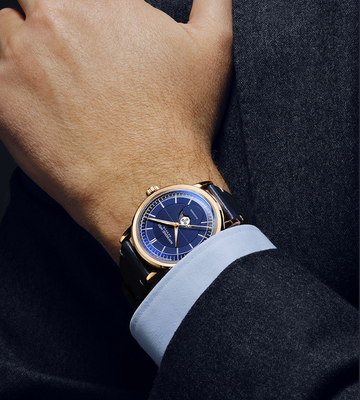
Your selling potential doesn't stop at gold. Many trusted jewelers and gold buyers are also interested in a broader range of valuables. This is great news because it allows you to consolidate your selling efforts. Buyers often look for items made of platinum, silver, and especially pieces that include diamonds. Fine estate jewelry is also highly sought after. Furthermore, luxury timepieces are always in demand, so if you have a high-end watch you're considering selling, be sure to bring it in for an evaluation. At Kravit, we have a special appreciation for fine watches and can help you understand their true worth.
How Is Your Gold's Value Determined?
Figuring out what your gold is worth can feel like a mystery, but the process is actually quite straightforward. A trustworthy buyer will look at a few key factors to give you a fair and transparent offer. It’s not just about how heavy the piece is; the final value is a combination of the gold’s purity, its weight, the current market price, and sometimes, the story behind the jewelry itself. Understanding these elements will help you feel confident when you decide to sell.
The Current Market Rate for Gold
First, it’s helpful to know that gold is a commodity, and its price changes daily based on global markets. This is called the "spot price" or market rate. Any buyer will use this as the starting point for their valuation. A buyer will typically offer a percentage of the market value, not the full price. This margin covers their business costs, including the process of melting, refining, and remaking the gold into new pieces. A reputable jeweler will be transparent about how they calculate their offer based on the day’s rate.
Karat Purity and Weight
The "karat" (k) tells you how pure your gold is. Pure gold is 24k, but it’s too soft for most jewelry, so it’s mixed with other metals for durability. An 18k piece, for example, is 75% pure gold (18 out of 24 parts), while a 14k piece is 58.3% pure gold. The higher the karat, the more valuable the gold. This purity is then combined with the item's weight, usually in grams, to determine its base value. A heavier 18k gold chain will naturally be worth more than a lighter one of the same purity.
Brand, Condition, and Craftsmanship
Sometimes, a piece of jewelry is worth more than just its weight in gold. The brand, artistry, and condition play a significant role. A piece from a celebrated designer like Roberto Coin often carries a premium because of its brand recognition and superior craftsmanship. Similarly, unique vintage items or pieces in excellent condition can be resold as-is and may fetch a higher price. While broken jewelry still has value for its gold content (its "melt value"), items with intricate designs or gemstones are assessed for their complete artistic and material worth.
Where Should You Sell Your Gold Jewelry?
Once you’ve gathered your gold pieces, the next big question is where to sell them. The place you choose can make a huge difference in how much money you receive and what the experience is like. Your decision really comes down to what you prioritize most: getting the absolute highest price, getting cash in your hand immediately, convenience, or the peace of mind that comes from a trusted, face-to-face transaction.
Each option has its own set of pros and cons. A local jeweler might offer expertise and a fair price for a piece’s craftsmanship, not just its weight. A pawn shop can give you instant cash, but often at a much lower rate. Mail-in services seem easy, but you lose the ability to negotiate in person. And while some online buyers offer competitive rates, it requires careful research to find one you can trust. Let’s walk through each of these options so you can feel confident in your choice.
Local Jewelry Stores
Your neighborhood jeweler is often one of the best places to start. Selling to a local, established jewelry store means you get a personal, face-to-face experience with an expert who can accurately assess your items. Because jewelers are in the business of both buying and selling fine jewelry, they can often recognize the value beyond the raw gold, such as brand recognition, gemstone quality, and unique craftsmanship. This can sometimes lead to a higher offer than you’d get from a place that only deals in scrap metal. Many, like us at Kravit Jewelers, build their reputation on trust and transparency, providing a simple and quick process that often ends with same-day payment.
Pawn Shops
If you need cash very quickly, a pawn shop is an option that offers instant payment. The process is straightforward: you walk in with your items and can leave with money in minutes. However, this speed and convenience come at a significant cost. Pawn shops typically offer a much lower price for gold, sometimes as little as 20% to 55% of its actual melt value. Their business model is built on providing fast loans and quick resale, so their offers are designed to minimize their risk and maximize their profit, not to give you the full market value for your jewelry. It’s a valid choice in an emergency, but you’ll almost certainly get less money than you would elsewhere.
Mail-In Services and Pop-Up Events
You’ve probably seen commercials for mail-in gold services or signs for temporary gold-buying events at local hotels. These options are built on convenience. Mail-in companies send you a prepaid, insured envelope to ship your jewelry, and you’ll receive an offer after they evaluate it. While it sounds easy, you give up control the moment you put your items in the mail and can’t negotiate in person. The Federal Trade Commission advises caution with these services. Pop-up events can also feel rushed and high-pressure, and since the buyers are not local, you have no recourse if you feel the offer was unfair later on.
Online Buyers
Selling your gold online has become a popular and potentially lucrative option. Reputable online buyers can offer very competitive prices, sometimes up to 90% of the gold’s melt value, because they have lower overhead than a brick-and-mortar store. The process usually involves getting an online quote, shipping your items in an insured package provided by the company, and receiving a final offer and quick payment. The key is to do your homework. Look for an online buyer with a transparent process, insured shipping, and plenty of positive customer reviews. While you won’t get an in-person interaction, a trustworthy online service can be a safe and effective way to get a great price.
How to Find a Trustworthy Gold Buyer
Selling your gold jewelry should feel rewarding, not risky. The key to a positive experience is finding a buyer you can genuinely trust. While many places offer cash for gold, not all of them operate with the same level of integrity. Taking a little time to research your options will help you feel confident that you’re working with a reputable professional and getting a fair price for your valuables. A trustworthy buyer will be transparent, knowledgeable, and patient, guiding you through the process without any pressure. Focus on finding a partner who values your business and respects your items as much as you do.
Check for Proper Licensing and Credentials
Before you even step into a store, one of the first things you should confirm is that the gold buyer is properly licensed. A legitimate business will be registered to operate in its city and state, which means it agrees to follow local regulations designed to protect consumers. Think of it as a basic qualification; it shows they are a serious, professional establishment, not a temporary or fly-by-night operation.
This isn't just about paperwork. A licensed buyer is accountable and more likely to use certified scales and provide transparent evaluations. You can usually find their license displayed in the store, but you can also verify their status through your state’s business licensing division. Choosing a licensed buyer is the first step toward a secure and fair transaction.
Read Reviews and Ask for Recommendations
In the same way you’d ask for a recommendation for a great restaurant, word-of-mouth is incredibly powerful when choosing a gold buyer. Start by asking friends or family if they have a local jeweler they trust. A personal referral can give you immediate peace of mind and a direct connection to a proven business. If you're starting from scratch, online reviews are your next best friend.
Look up potential buyers on Google, Yelp, and the Better Business Bureau. Don't just glance at the star rating; read through the comments to see what other people’s experiences were like. Look for mentions of fair prices, friendly service, and a no-pressure environment. Consistent positive feedback is a strong indicator that you’ve found a reputable buyer who values their customers.
Always Compare Multiple Written Offers
You wouldn't buy the first car you test drive, and the same principle applies here. To ensure you’re getting the best possible price for your gold, plan to get offers from at least two or three different buyers. This allows you to compare and see what the fair market range is for your specific items. Visiting different stores helps you get a feel for each business and their appraisal process.
When you receive an offer, always ask for it in writing. A verbal quote can be easily forgotten or changed, but a written offer provides a clear, official record of the proposed price, including the weight, karat, and rate they are offering. This simple step protects you and empowers you to make a final decision with all the facts in hand.
Preparing to Sell: A Quick Checklist
Walking into a jewelry store to sell your gold can feel a little intimidating, but a few simple steps beforehand can make the entire process smoother and more profitable. Taking a little time to get organized helps you walk in with confidence and ensures you have a clear understanding of what you own. Think of it as doing your homework. This checklist will help you prepare your items so you can have the most productive and positive conversation with a potential buyer. By following these steps, you position yourself to get the best possible value for your jewelry.
Clean and Organize Your Pieces
First, take a moment to gently clean your jewelry. A simple bath in warm water with a few drops of mild dish soap, followed by a soft brush, can remove any built-up dirt and oils. This small step makes your pieces more presentable and easier for the jeweler to evaluate. It’s especially helpful if you’re selling an item for its design rather than just its melt value. While you’re at it, try to group your items together. If you know the karat of certain pieces (like 14k or 18k), separating them can speed up the appraisal process. Presenting your jewelry collection in a clean, organized way shows you’ve cared for your items and helps the buyer see their full potential.
Weigh Your Jewelry at Home
Before you go, get a rough idea of how much your gold weighs. You can use a simple kitchen or postage scale for this. While this won't be the official weight used to calculate your offer, it gives you a personal reference point. Knowing the approximate weight helps you understand the basis of the valuation and gives you a stronger sense of control in the transaction. This step is about empowering yourself with information. When you have a general idea of the weight, you can better follow along as the jeweler explains their process, making you a more informed seller. It’s a simple way to find valuable information for yourself before you even start the conversation.
Gather Any Appraisals or Paperwork
Do you have the original box, receipt, or an appraisal certificate for any of your pieces? If so, bring them with you. This documentation is especially important for designer items or jewelry with significant diamonds or gemstones. Paperwork can help verify authenticity, brand, and stone quality, which can sometimes add to the overall value beyond the gold content alone. For example, a piece from a well-known designer like Roberto Coin often has more value when its original packaging and certificates are included. Don’t worry if you don’t have any paperwork; it’s not a requirement, but it can certainly help your case if you do.
Know When to Separate Gemstones
If your gold jewelry features large or valuable gemstones, it’s worth asking if you should sell them separately. In many cases, the value of a significant diamond, sapphire, or emerald can be much higher than the gold setting it’s in. A professional jeweler can assess the stones and advise you on the best course of action. They can safely remove the stones for you, allowing you to sell the gold for its melt value and either sell the gems separately or have them set into a new piece. This is not a DIY task, as you risk damaging both the stone and the setting. Instead, let an expert help you design a new ring or another piece with your treasured stone.
How to Get the Best Price for Your Gold
Selling your gold jewelry should feel rewarding, not stressful. With a little preparation, you can walk into any negotiation feeling confident and informed. Getting the best price isn't about luck; it's about understanding the value of what you have and knowing how the process works. These simple steps will help you take control and ensure you receive a fair and transparent offer for your valuables.
Calculate Your Gold's Approximate Value
Before you sell, it’s smart to get a general idea of what your gold is worth on the open market. You can do this by looking up the current “spot price” of gold. The spot price is the live market rate for pure, unrefined gold before any buyer fees or business costs are factored in. Using a free online calculator can give you a helpful baseline for its raw value. While this number isn't what a buyer will ultimately pay you, it gives you a realistic starting point for your expectations and helps you recognize a fair offer when you see one.
Track the Live Price of Gold
The price of gold changes daily, much like the stock market, and can be quite volatile. If you aren't in a hurry to sell, it can be worthwhile to watch the market for a bit. Even small fluctuations can make a significant difference in your final payout, especially if you are selling several pieces or heavier items. A 5% increase in the market price could mean a noticeably larger check in your hand. Following the price trends for a week or two can help you pick a day when the market is in your favor.
Get Multiple Quotes and Negotiate
The single best thing you can do to get a great price is to get offers from a few different buyers. Visit at least two or three reputable jewelers to see what they are willing to pay for your items. Don't feel pressured to accept the first offer you receive. Having multiple written quotes gives you a clear picture of your gold's true value and provides you with leverage in any negotiation. It also helps you find a buyer you feel comfortable with. A trustworthy jeweler, like Kravit Jewelers, will always provide a transparent, no-pressure appraisal of your pieces.
Always Ask for a Detailed Receipt
Once you decide to sell, make sure you walk away with a detailed receipt. This is a crucial step for your own records and provides important legal protection. The receipt should clearly state what you sold, including the weight and karat purity of the gold, and the final amount you were paid. This document serves as your proof of the transaction and gives you complete peace of mind. A professional buyer will have no problem providing this documentation, and it’s a clear sign that you’re working with a transparent and honest business.
Red Flags to Watch For When Selling Gold
Selling your gold should feel empowering, not stressful. It’s a chance to turn unworn pieces into cash for something new, but it’s important to be careful. Unfortunately, not every buyer operates with your best interests at heart. Knowing what to look for can protect you from a bad deal and ensure you work with someone trustworthy. A reputable buyer will be patient, transparent, and happy to answer all your questions without making you feel rushed. If something feels off during the process, it probably is. Trust your intuition and be prepared to walk away from any offer. The right buyer will respect your decision and give you the space you need to feel confident about the transaction. By learning to spot a few key red flags, you can approach the process with confidence and find a buyer who values both your jewelry and your business. This section will cover the most common warning signs, from high-pressure sales tactics and vague offers to the widespread misconceptions that can cost you money. Being informed is your best tool for getting the value you deserve for your gold pieces.
High-Pressure Tactics and Lowball Offers
A major red flag is any buyer who pressures you to make a decision on the spot. They might create a false sense of urgency by saying the offer is only good for today or by using phrases like, "You can take your items back with no charge if you don't want to sell." This tactic is designed to make you feel obligated or rushed. A trustworthy buyer will give you a fair offer in writing and encourage you to take your time, even if that means comparing their offer with others. If you feel hurried or uncomfortable, it’s a clear sign to walk away. Your gold isn't going anywhere, and a good offer will still be good tomorrow.
Vague Verbal Offers and Hidden Fees
Transparency is everything when selling gold. Be cautious of any buyer who gives you a vague verbal quote without a clear, written breakdown. You should always ask for a detailed receipt that lists each item, its weight and karat, the price per gram they are offering, and the final total. This documentation is your proof of the transaction and protects you from hidden fees or a last-minute change in the offer. A professional jeweler will provide this information without hesitation. You should expect a process with a clear, detailed breakdown of value, just as you would with any other significant transaction.
Common Misconceptions to Avoid
Many people believe that dedicated "cash-for-gold" businesses or mail-in services offer the best prices, but that’s not always the case. These businesses often value items based solely on their melt value, which is the price of the raw gold after it's melted down. A full-service, family-owned jeweler may see more value in your pieces. They might consider the craftsmanship, brand name, or potential to resell the item in their jewelry collection. Because they can resell the piece as is, they can sometimes offer you a significantly better price than just its weight in gold.
Related Articles
- How to Sell Gold Jewelry for Cash
- Where to Sell Gold Jewelry for Cash
- Gold Buying at Kravit Jewelers
- Gold Buying Event Information
Frequently Asked Questions
What's the real difference between selling to a jeweler versus a pawn shop? Think of it this way: a jeweler is an expert in the full story of your jewelry, while a pawn shop is primarily focused on a quick transaction. A trusted local jeweler can often recognize the value of a piece beyond its raw materials, considering its craftsmanship, brand, or potential for resale. This can lead to a better offer. Pawn shops, on the other hand, typically offer a lower percentage of the gold's value because their business model is built on providing fast cash loans and quick turnover.
What happens to the diamonds or gemstones in my gold jewelry? This is a great question, as the stones can often be quite valuable on their own. A professional jeweler will assess your gemstones separately from the gold. If they have significant value, the jeweler can advise you on the best path forward. This might mean removing the stones so you can sell the gold for its melt value and either sell the gems or have them set into a new custom piece of jewelry.
Will I get paid the full market "spot price" for my gold? You won't receive the full spot price, and any buyer who claims you will is not being transparent. The spot price is the rate for raw, unrefined gold on the global market. A buyer's offer will be a percentage of this value, which covers their costs for testing, melting, refining, and running their business. A reputable buyer will be upfront about how they calculate their offer based on that day's market rate.
Is it really worth selling small or broken gold items? Yes, absolutely. It’s a common misconception that jewelry has to be in perfect, wearable condition to have value. The price you are offered for most gold is based on its weight and purity (karat), not its condition. That single earring, tangled chain, or broken bracelet is still made of precious metal. All those small, forgotten pieces can add up to a surprisingly significant payout.
How long does the selling process usually take? The process is typically much faster than people expect. In most cases, you can walk into a jewelry store, have your items professionally appraised, receive an offer, and walk out with payment all in a single visit. From start to finish, it can often be completed in under an hour, making it a very simple and convenient way to turn your old jewelry into cash.


