
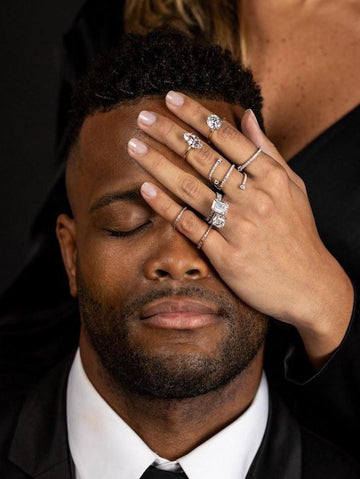

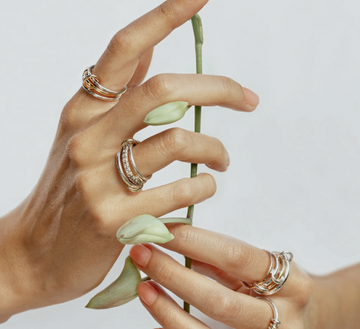

One of the biggest draws of a thinner band is the way it showcases your center stone. It’s a clever design choice that creates a beautiful illusion. By minimizing the metal, a 1.5 mm engagement ring makes your diamond look larger and more brilliant. The slender band acts as a subtle frame, drawing all the attention to the main event. This style is perfect for someone who loves a minimalist, sophisticated look and wants to maximize the visual impact of their diamond. Let’s look at how this proportion works and why it’s a favorite for modern, elegant styles.
Key Takeaways
- Match your band to your daily life: A 1.5 mm band creates a beautiful, delicate look, but it's best for those who are mindful of their jewelry. If you work with your hands or are very active, a slightly thicker band offers better durability for long-term wear.
- Choose your metal wisely for more strength: The metal you select has a huge impact on a thin band's durability. Platinum is an excellent choice for its natural strength, while 14k or 18k gold offer more resilience than purer gold options.
- Find the sweet spot for style and security: Many jewelers recommend a band width between 1.8 mm and 2.0 mm as the perfect compromise. This range gives you a slender, elegant look while providing the structural integrity needed to protect your ring from daily life.
Why Choose a 1.5 mm Engagement Ring?
You’ve probably noticed the trend toward thinner, more delicate engagement ring bands, and for good reason. A 1.5 mm band offers a beautifully understated look that feels both modern and timeless. It’s a specific style choice that can completely change the feel of your ring, making your center stone the star and allowing for comfortable, beautiful stacking. Let’s explore why a 1.5 mm band might be the perfect choice for you.
The appeal of a delicate, modern band
A 1.5 mm band has a refined, minimalist appeal that speaks to modern style. It’s for the person who appreciates clean lines and understated elegance. Instead of competing for attention, the slender band acts as a delicate frame, drawing all eyes to your center diamond. This creates a sophisticated look that feels light and graceful on your finger. It’s a style that says a lot without shouting. If you’re looking for a ring that feels both current and classic, you can explore our collection of engagement rings to see how this delicate width complements different settings.
How it makes your center stone look bigger
One of the best features of a 1.5 mm band is how it enhances your center stone. The slim profile creates a beautiful contrast, making the diamond appear larger and more brilliant than it would on a thicker band. This visual trick gives the stone a "floating" effect, making it the undeniable star of the show. It’s a smart way to maximize the impact of your diamond, no matter the carat size. You can use our tool to find a diamond and picture how it would look on this type of eye-catching band.
A perfect match for minimalist and stackable styles
The versatility of a 1.5 mm band is a huge plus, especially when you think about your wedding band. Its thin profile is perfect for stacking. You can pair it with a simple, matching band or get creative with different textures and styles. Because it’s so slender, it sits comfortably and flush against other rings, creating a seamless set that doesn’t feel bulky. This makes it an ideal choice if you love the stacked look or want an integrated wedding set. Take a look at our wedding bands to start dreaming up your perfect pairing.
How a 1.5 mm Band Measures Up
When you’re choosing an engagement ring, the width of the band plays a huge role in the final look and feel. A 1.5 mm band is a popular choice because it falls into that sweet spot of being thin and delicate, a style many people love. But how does it actually compare to other common sizes? Seeing how a 1.5 mm band stacks up against its thinner and thicker counterparts can help you find the perfect balance between the style you want and the durability you need for a lifetime of wear. Let’s break down the key differences so you can feel confident in your decision.
1.5 mm vs. 1.0 mm: Is thinner better?
You might see some bands as narrow as 1.0 mm, and while they look incredibly dainty, they are often too fragile for a ring you plan to wear every day. Most jewelers agree that for an engagement ring, you need a bit more substance to securely hold your diamond and stand up to daily life. This is why we typically recommend a band with a width of at least 1.5 mm to minimize the risk of bending or breaking. This width gives you that coveted skinny-band look without being too risky. It’s the perfect starting point for achieving a delicate aesthetic while providing a solid foundation for your beautiful engagement ring.
1.5 mm vs. 2.0 mm: Balancing delicacy and durability
This is the most common debate for anyone who loves a thin band. A 1.5 mm band offers a distinctly delicate, barely-there feel that really makes your center stone pop. On the other hand, a 2.0 mm band is often considered the gold standard for durability. While still a relatively thin band, that extra half-millimeter of metal provides significantly more strength and resistance to warping over time. Many people feel 1.8 mm is a great minimum for an everyday ring, with 2.0 mm being an even safer bet for longevity. The choice comes down to balancing your desire for a delicate look with your need for durability. You can explore different options when you design a ring with us to see what feels best on your hand.
Find the right width for your lifestyle
The best band width for you really depends on your daily life. Are you very active or do you work with your hands often? If so, a slightly thicker band might be a more practical choice. Thin bands under 2.0 mm can be more prone to bending or showing wear over time, especially with constant activity. However, if you have a desk job or are very mindful of your jewelry and plan to take your ring off during strenuous tasks, a 1.5 mm band could be a perfect fit. Be honest with yourself about your habits. A ring is meant to be worn and loved, so choosing a design that complements your lifestyle is the key to its longevity.
Is a 1.5 mm Ring Durable Enough for Everyday?
This is the big question, isn’t it? You’ve fallen for the delicate look, but you want a ring that lasts a lifetime. The truth is, a 1.5 mm band can be durable enough for many people, but it requires careful consideration of your lifestyle and the ring's material. It’s all about understanding the balance between that airy, minimalist aesthetic and the practical strength needed for a piece you’ll wear every single day. Let's get into what that means for you.
The trade-off between delicacy and strength
A 1.5 mm band is undeniably elegant, but its slim profile comes with a trade-off. With less metal, the band is more susceptible to bending or warping over time, especially if you lead an active lifestyle or work with your hands. Think about daily activities like carrying groceries, gripping a steering wheel, or working out at the gym. These simple actions can put stress on a thin band. This doesn't mean it's a definite "no," but it does mean you have to be more mindful. It’s a classic case of delicacy versus durability, and finding the right balance is key to loving your ring for years to come.
Pick the right metal for maximum durability
Your choice of metal plays a huge role in the strength of a 1.5 mm band. While gold is a classic choice, some metals are simply stronger than others. Platinum is an excellent option for a thin band because of its density and durability; it’s more resistant to bending and wear. If you love the look of gold, consider 14k or 18k gold over higher karats, as the alloys mixed in add strength. Choosing a more robust metal can give your delicate ring the structural support it needs for daily wear. When you design a custom ring, we can walk you through the best metal options for your specific design and lifestyle.
Common worries: Bending, warping, and security
It's completely normal to worry about a thin band bending or, even worse, losing your diamond. These concerns are valid. A 1.5 mm band can warp from everyday pressures, which can compromise the security of your center stone's setting over time. If the band bends, the prongs holding your diamond can shift or loosen, putting your precious stone at risk. This is especially true for rings with larger diamonds, as the weight of the stone adds more stress to the thin frame. That’s why many jewelers recommend a band of at least 1.8 mm for the best combination of style and security.
Simple care tips for your thin band
If you have your heart set on a 1.5 mm band, a little mindfulness can go a long way in keeping it safe. Make it a habit to take your ring off during strenuous activities, like exercising, gardening, or moving furniture. It's also a good idea to remove it while sleeping to avoid snagging it or putting pressure on the band. Regular check-ins with your jeweler are essential. We can inspect the prongs and the band's shape to catch any potential issues early. By treating your delicate ring with care, you can confidently wear it every day. Explore our collection of engagement rings to see a variety of styles and band widths.
What's the Price Tag on a 1.5 mm Ring?
Let’s talk about one of the most common questions: how does a thinner band affect the price? While it’s easy to assume that less metal means a lower cost, the final price tag of an engagement ring is a mix of several important factors. The band width is just one piece of the puzzle.
How metal and setting choices impact cost
The type of metal you choose for your 1.5 mm band plays a major role in its cost. Platinum, known for its strength and bright white luster, is typically more expensive than gold. Within gold, the price can vary between 14k and 18k options. The setting style also significantly influences the price. A simple, classic solitaire band will be more affordable than an intricate pavé setting, which requires more metal and the detailed labor of setting dozens of tiny diamonds. When you browse different engagement rings, you’ll see how these elements work together to create a ring’s final value.
Does a thinner band save you money?
All things being equal, a thinner band does use less precious metal, which can translate to some savings. A 1.5 mm band will generally be lighter and a bit less expensive than a 2.0 mm or 2.5 mm band made from the same metal and in the same style. However, it’s important to keep this in perspective. The bulk of an engagement ring’s cost is usually in the center stone. The difference in price between a 1.5 mm and a 2.0 mm band might be small compared to the cost of the diamond itself. You can see for yourself how much a stone’s characteristics affect the price when you find a diamond for your setting.
Find your perfect 1.5 mm ring at Kravit Jewelers
A 1.5 mm band can be a beautiful and cost-effective choice, but its quality is everything. To ensure your ring lasts a lifetime, we recommend a band width of at least 1.5 mm to prevent bending or warping over time. At Kravit Jewelers, we focus on craftsmanship to make sure even the most delicate designs are built to be worn and loved every day. If you have a specific vision in mind, we can work with you to design a ring that perfectly balances delicate style with lasting durability, creating a piece that is uniquely yours.
How to Decide if a 1.5 mm Ring Is for You
Choosing an engagement ring is a deeply personal decision, and the band's width plays a huge role in its overall look and feel. A 1.5 mm band offers a beautiful, delicate style, but it's important to weigh its aesthetics against your daily life. Think about your activity level, your personal style, and what you need from a piece of jewelry you’ll wear every day. This will help you find a ring that you not only love at first sight but will continue to cherish for years to come. Let’s walk through the key things to consider to help you make a confident choice.
Ask these questions before you buy
Before you commit to a 1.5 mm band, it’s wise to ask yourself a few practical questions. How active are you with your hands? If your job or hobbies involve frequent, hands-on work, a super delicate band might be at higher risk. Many people worry that a 1.5 mm band is too thin for daily wear, and it’s a valid concern. The main issue isn't just about the setting security, but the potential for the band itself to bend or break over time. Being honest about your lifestyle is the first step to choosing a ring that will last a lifetime.
How to ensure a comfortable, secure fit
Your ring should feel like a part of you, and the right fit is about more than just size. Finger shape and hand size can influence how a band looks and feels. For instance, if you have larger knuckles, a thinner band can be easier to slide on and off. If you have smaller hands or shorter fingers, a 1.5 mm band often looks beautifully proportioned. The best way to know for sure is to try different styles on. Our experts can help you find the perfect balance of comfort and style, ensuring your engagement ring feels just right.
Explore custom design possibilities
If you love the delicate look of a 1.5 mm band but have concerns about its strength, custom design is your best friend. When you design a custom ring, you have control over every detail. You can choose a stronger metal like platinum to add durability or select a prong style that offers extra security for your center stone. Customization allows you to get that airy, minimalist aesthetic without compromising on peace of mind. It’s the perfect way to create a ring that is uniquely yours and built to last.
When a thicker band might be a better choice
While a 1.5 mm band is stunning, sometimes a slightly thicker band is the more practical choice. Many jewelers recommend a width of at least 1.8 mm for an engagement ring that will be worn every day, as it offers more structural integrity. A 1.5 mm band can be more susceptible to bending, warping, or breaking with the bumps and snags of daily life. If you have a very active lifestyle or simply prefer a more substantial feel, exploring bands in the 1.8 mm to 2.0 mm range is a great idea. You can still achieve a delicate look with a band that provides a bit more durability.
Related Articles
Frequently Asked Questions
Is a 1.5 mm band truly durable enough for everyday wear? This is the most important question to ask. A 1.5 mm band can be durable enough, but it depends heavily on your lifestyle and the metal you choose. If you work with your hands or are very active, you might find it requires more mindfulness. For many people, it holds up beautifully with a little care, but it's a trade-off between that super delicate look and long-term strength.
What's the best metal for a thin engagement ring band? For a band this delicate, your metal choice makes a huge difference. Platinum is a fantastic option because it's incredibly dense and strong, which helps prevent bending. If you prefer gold, 14k is generally a better choice than 18k for a thin band because the alloys make it harder and more durable for daily wear.
Can a 1.5 mm band support a large center diamond? While a 1.5 mm band can technically hold a larger stone, it's something to approach with caution. The weight of a bigger diamond puts more stress on a thin frame, which can increase the risk of the band warping or the setting becoming loose over time. For larger stones, we often recommend a slightly wider band, like 1.8 mm or 2.0 mm, to provide better security and peace of mind.
Will I have to be extra careful with a 1.5 mm ring? Yes, a little extra care goes a long way. We recommend taking it off during strenuous activities like going to the gym, gardening, or moving heavy objects. It's also a good practice to have your ring checked by a jeweler annually to ensure the prongs are secure and the band is in good shape. Being mindful is key to keeping a delicate ring safe for a lifetime.
What is the thinnest band you recommend for an engagement ring? We consider 1.5 mm to be the minimum width for an engagement ring that's meant to be worn every day. Anything thinner, like 1.0 mm, is generally too fragile to securely hold a center stone and withstand daily life. While 1.5 mm offers that beautiful, dainty look, many jewelers suggest a width of at least 1.8 mm for an ideal balance of delicate style and lasting durability.


